Hubble Finds Ancient Galaxy Collision Shaped the Milky Way
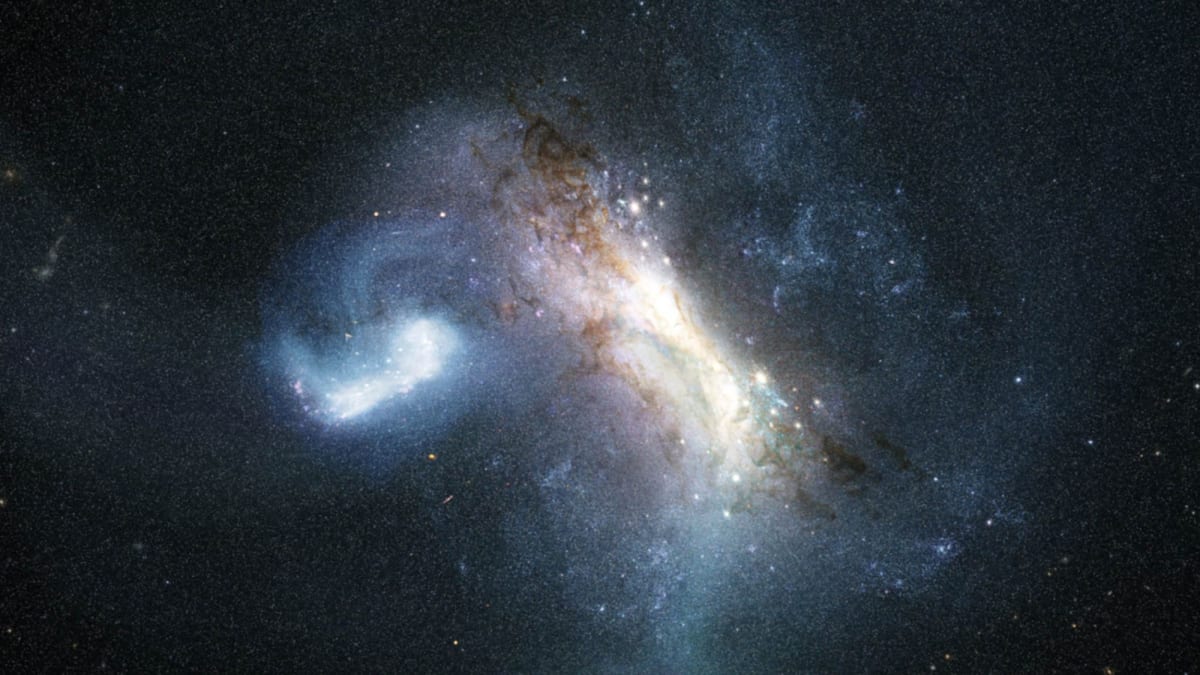
Scientists discovered our galaxy merged with a dwarf galaxy 11.8 billion years ago, revealing a crucial chapter in how our cosmic home was built. The collision helped transform the young Milky Way into the spiral galaxy we know today.
Scientists just solved a billion-year mystery about how our home galaxy got its start, and the answer came from looking at ancient star clusters with fresh eyes.
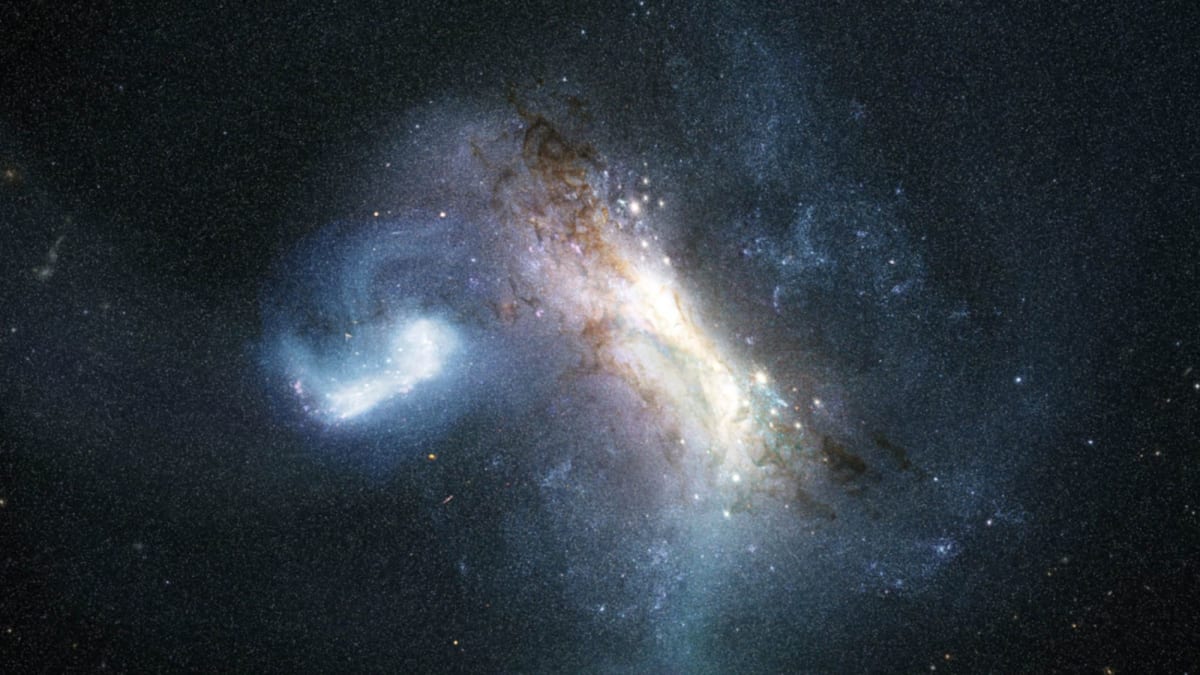
The Hubble Space Telescope spotted evidence that the Milky Way collided with a dwarf galaxy called LKH about 11.8 billion years ago. This happened when our galaxy was still young and hadn't yet formed its familiar spiral shape.
"Our home is the Milky Way galaxy, but we do not know how our house was built," said Davide Massari of the Astrophysics and Space Science Observatory of Bologna in Italy. His team made the discovery by studying globular clusters, which are tight groups of ancient stars that act like cosmic fossils.
The researchers found a group of these star clusters that didn't match the ones born in the Milky Way. They also didn't belong to another known merger called the Gaia-Sausage-Enceladus galaxy, which crashed into us 10 billion years ago.
Using Hubble's powerful imaging, the team measured the age and composition of these mystery clusters with unprecedented precision. The clusters told a clear story: they came from somewhere else, arriving nearly 12 billion years ago.
The dwarf galaxy LKH was about 500 million times the mass of our sun. That's roughly the size of the Sagittarius Dwarf galaxy that the Milky Way is currently absorbing today.
Back then, though, the Milky Way was much smaller than it is now. The collision would have added a significant chunk of stars, gas, and dark matter to our growing galaxy.
Why This Inspires
This discovery shows how detective work across billions of years can reveal our cosmic origins. Scientists pieced together clues from starlight that traveled across most of the universe's history to understand where we came from.
The merger likely triggered fresh bursts of star formation that helped the Milky Way grow into the magnificent spiral galaxy we inhabit today. The chemistry from LKH's stars also influenced billions of generations of new stars, including the materials that eventually formed our own solar system.
"Here, we have shown that stars born in external galaxies also need to be considered" when understanding our galaxy's history, said Massari. What seemed like separate populations of stars are actually immigrant families that joined ours long ago.
Every star in our night sky connects to this ancient story of cosmic construction, reminding us that even galaxies grow by welcoming newcomers.
More Images

Based on reporting by Space.com
This story was written by BrightWire based on verified news reports.
Spread the positivity!
Share this good news with someone who needs it