Human Saliva May Hold Key to Beating Peanut Allergies
Scientists discovered that common bacteria in our mouths can break down the proteins that trigger dangerous peanut allergies. One microbe, Rothia aeria, eliminated nearly 100% of these harmful proteins in lab tests.
Scientists just found a surprising ally in the fight against peanut allergies: the bacteria already living in our mouths.
Researchers at McMaster University discovered that certain microbes common in human saliva can break down the proteins responsible for triggering peanut allergies. For the 2% of people in Western nations living with this potentially life-threatening condition, this discovery could open doors to entirely new treatments.
The team, led by postdoctoral fellow Liam Rondeau, started with a simple question. Some people with peanut allergies can eat small amounts without reacting, while others face severe danger from tiny exposures. What makes the difference?
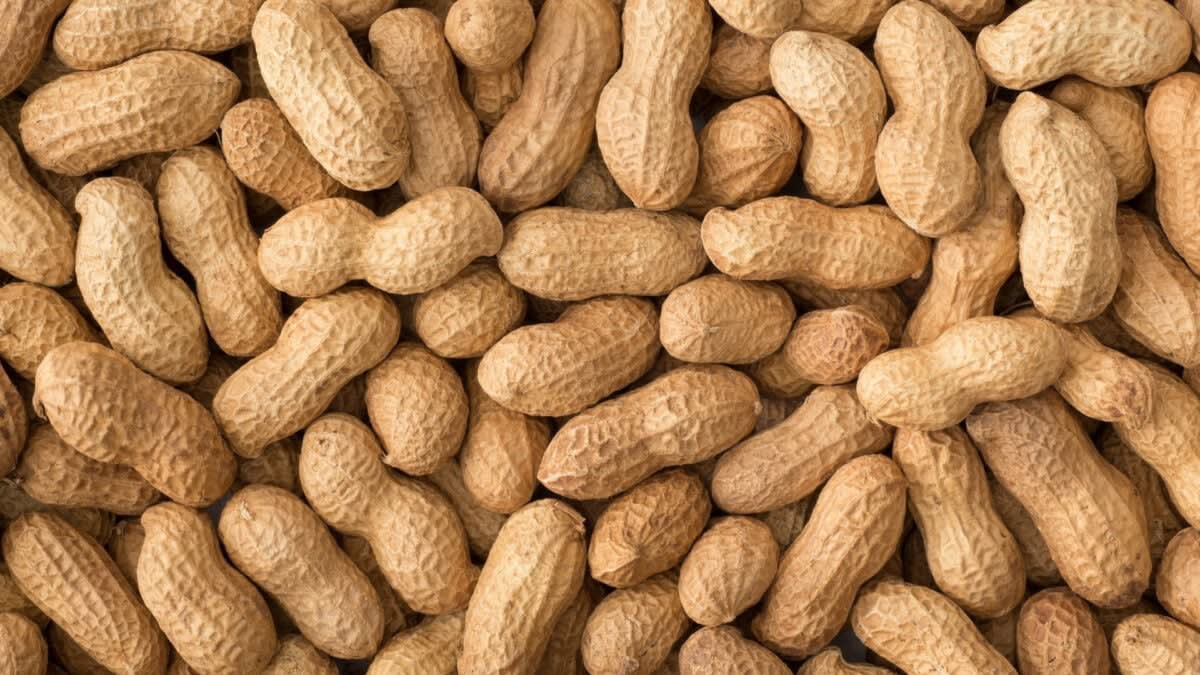
The answer appears to lie in our mouths. The researchers tested saliva samples from 13 healthy volunteers and found multiple types of bacteria capable of neutralizing Ara h 1 and Ara h 2, the two proteins that cause most peanut allergy reactions.
One bacterium stood out dramatically. Rothia aeria, part of a bacteria family common in healthy mouths, destroyed nearly 100% of these dangerous proteins in laboratory tests. When the team analyzed data from 120 children with suspected peanut allergies, they found Rothia aeria was significantly more abundant in kids who had no allergic response or high tolerance to peanuts.
The discovery matters because peanut allergies are uniquely dangerous. Between 7% and 14% of allergic individuals experience reactions each year, with up to half of those episodes involving anaphylaxis, a potentially fatal response. Unlike many childhood allergies, peanut allergies persist into adulthood for 80% of diagnosed children.
The research team tested their findings using specialized lab mice with peanut allergies alongside carefully controlled petri dish experiments. Bacteria from several families showed promise, including Staphylococcus, Streptococcus, and Veillonella, but Rothia proved the most reliable defender.
Why This Inspires
This breakthrough represents a completely new approach to food allergies. Rather than avoiding allergens or slowly building tolerance through exposure therapy, future treatments might strengthen the helpful bacteria already living inside us.
Dr. Alberto Caminero Fernandez, the study's co-author and a gastroenterologist at McMaster, explains that these findings reveal a previously unknown connection between our oral and gut bacteria and food allergies. The university suggests that probiotic therapies using cultured versions of these protective bacteria could supplement or enhance current treatments.
The research, published in Cell Host & Microbe, transforms our understanding of why some bodies handle allergens better than others. The protection might have been in our mouths all along.
For millions living with peanut allergies and their worried families, help may be just a swab away.
More Images


Based on reporting by Google News - Health
This story was written by BrightWire based on verified news reports.
Spread the positivity!
Share this good news with someone who needs it