Humans Learn Bat-Like Echolocation in Minutes
Scientists at the University of East Anglia discovered that humans can learn to use mouth clicks like bats do, judging distances after just a short training session. This breakthrough could transform how we help visually impaired people navigate their world.
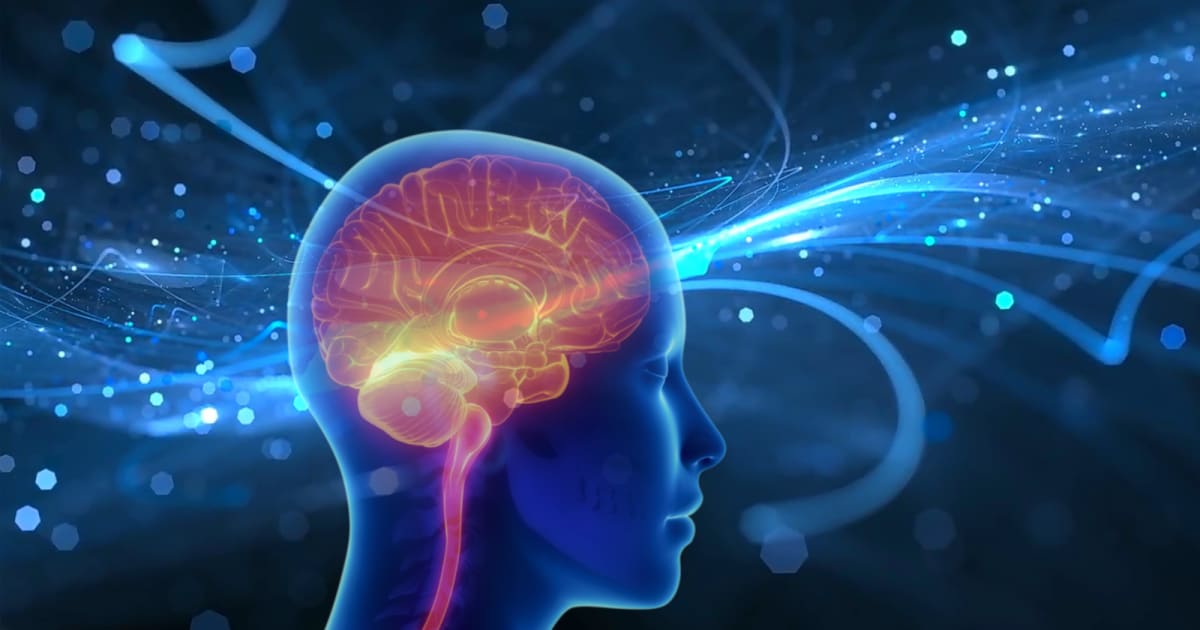
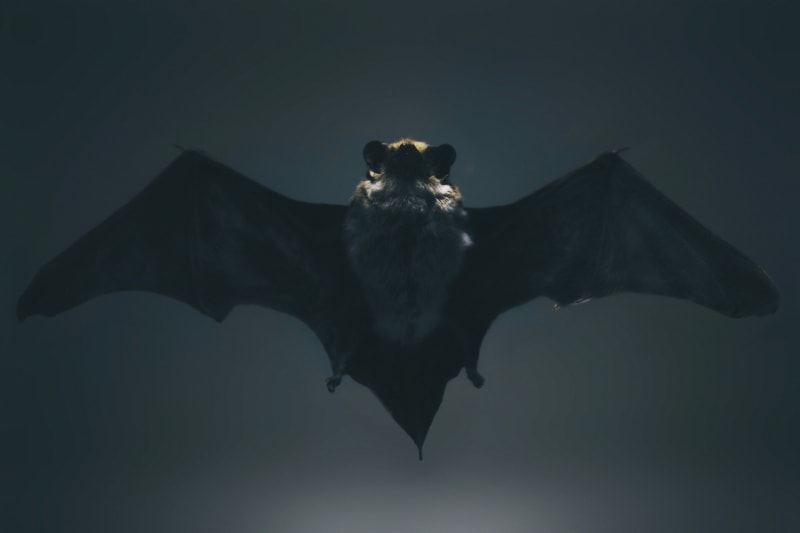
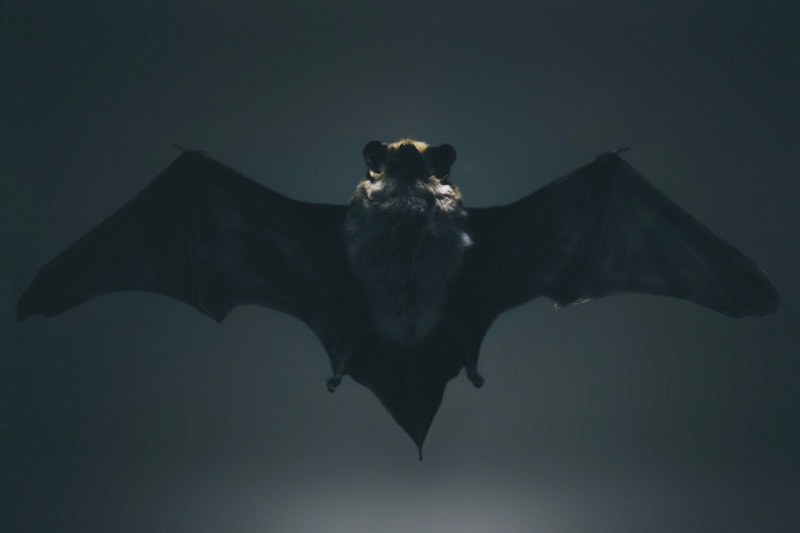
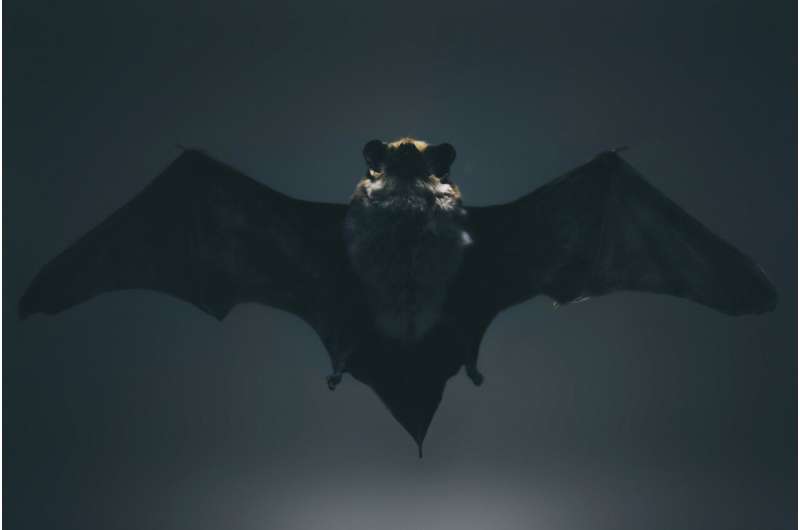
Your brain has a superpower you never knew existed, and it works just like a bat's sonar system.
Researchers at the University of East Anglia found that humans can learn to judge distances using mouth clicks and echoes in just one training session. Eleven blindfolded participants successfully estimated how far away objects were by clicking their tongues and listening to the echoes bouncing back.
Dr. Andrew Kolarik led the study, which revealed something remarkable about human adaptability. After brief practice, participants could detect whether objects made of aluminum or foam were placed in front of them at distances ranging from 15 to 75 centimeters. The aluminum objects were easier to detect because they reflected sound better than foam.
The results surprised even the researchers. People consistently succeeded at echolocation, creating mental pictures of their surroundings through sound alone. While participants tended to underestimate distances, especially for objects farther away, they still demonstrated a natural ability to tap into this bat-like sensory skill.
"This work highlights the human brain's ability to adapt and use novel sensory strategies, much like bats do naturally," Dr. Kolarik explained. The technique involves producing sounds like tongue clicks, finger snaps, or cane taps, then listening as echoes bounce back to reveal the environment.
Why This Inspires
This discovery proves our brains are more flexible than we imagined. The ability to learn echolocation quickly shows that humans can develop entirely new ways of experiencing the world around them, opening doors we didn't know existed.
For people who are blind, echolocation already serves as a crucial navigation tool. Some blind individuals have mastered this skill through years of practice, using it to ride bikes, hike trails, and move confidently through unfamiliar spaces.
Now, with scientific understanding of how echolocation works and how quickly people can learn it, researchers hope to develop better training programs. These programs could help visually impaired people enhance their spatial awareness and navigate more safely.
The team plans to use their findings to improve assistive technologies and training methods. They're particularly focused on helping people understand that distant objects tend to sound closer than they actually are, especially when those objects don't reflect sound well.
What makes this research so powerful is its simplicity. No expensive equipment or complex technology is needed, just the human voice and an attentive ear. Our bodies already have the tools. We just needed to learn how to use them.
The human brain's remarkable plasticity means we can develop superhero-like abilities with nothing more than practice and patience.
More Images
Based on reporting by Medical Xpress
This story was written by BrightWire based on verified news reports.
Spread the positivity!
Share this good news with someone who needs it