Humans Return to Moon After 53-Year Gap
For the first time since 1972, astronauts are heading to the moon aboard NASA's Artemis 2 mission. The decades-long gap reveals how space exploration shifted from Cold War urgency to patient, sustainable progress.
Four astronauts are traveling toward the moon right now, ending humanity's longest absence from lunar space since the Apollo era.
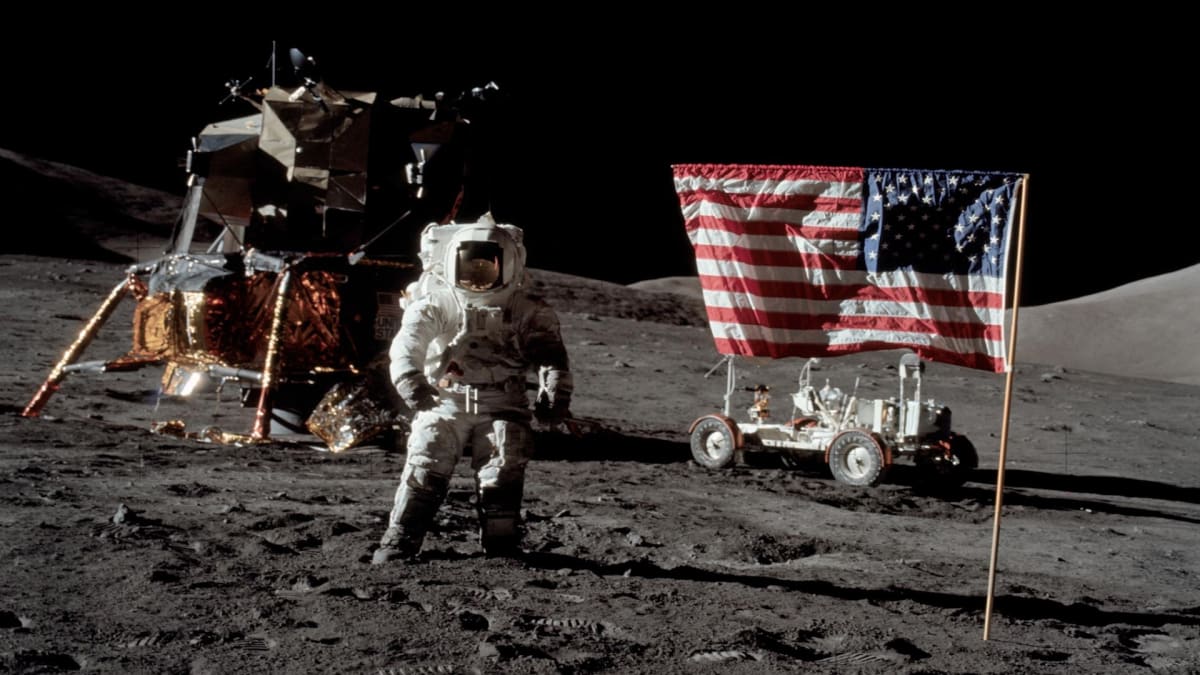
NASA's Artemis 2 crew left Earth orbit on April 2, 2025, beginning a journey that breaks a 53-year streak. No human has ventured this far from our planet since Apollo 17 splashed down in December 1972.
The long wait wasn't about losing capability. It was about changing priorities.
Apollo happened because the United States and Soviet Union turned space into a Cold War battleground. When the Soviets launched Sputnik in 1957, American leaders realized satellite technology could just as easily deliver weapons as explore space.
The space race became a proxy war for technological dominance. Newly independent nations across Africa and Asia were watching to see which superpower had the better technology, and both the U.S. and USSR knew it.
NASA's budget reflected those stakes. During Apollo's peak, the space agency received 4.4% of the entire federal budget. Today, it gets less than 0.4%.
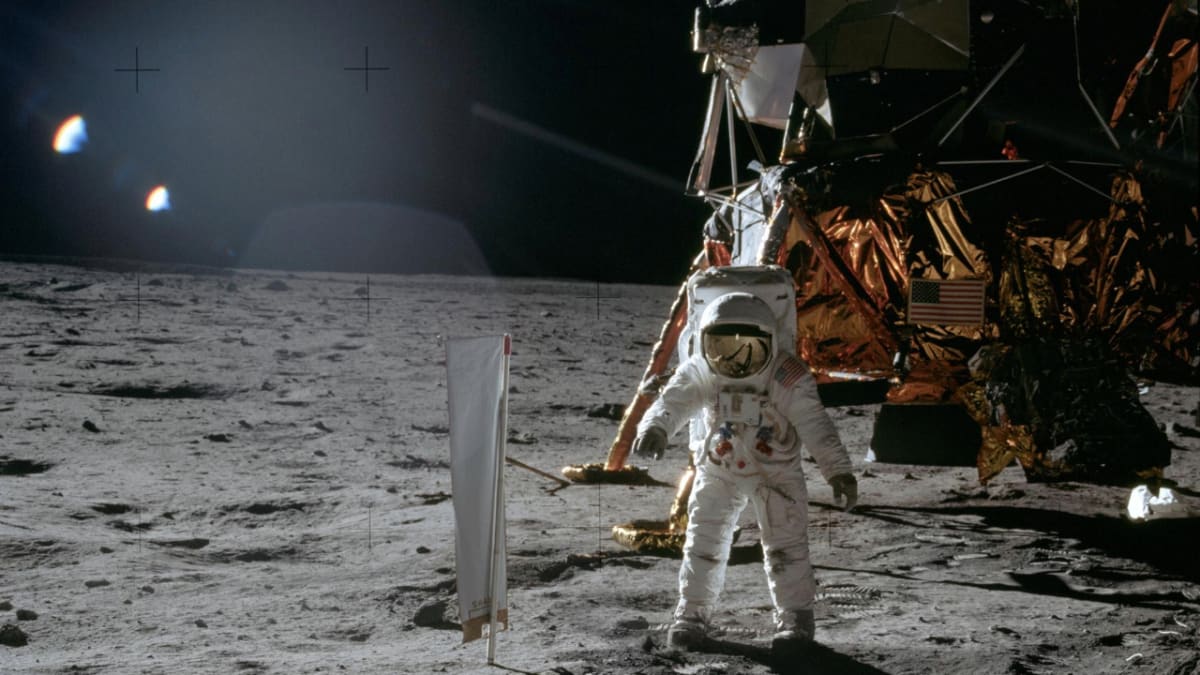
After Neil Armstrong and Buzz Aldrin planted the American flag on the moon in 1969, the urgency evaporated. The U.S. had proven its point and President Nixon wanted cheaper programs like the Space Shuttle.
Why This Inspires
The return to the moon represents something better than a race. Artemis is building sustainable exploration, not just planting flags and leaving.
The decades between Apollo and Artemis allowed technology to mature and international cooperation to flourish. What once required Cold War budgets can now happen through smarter engineering and shared missions.
The four Artemis 2 astronauts are pioneers of a new era, one focused on lasting presence rather than quick victories. They're proving that patience and persistence can be just as powerful as competition.
This mission opens the door for a permanent lunar presence, Moon bases, and eventually Mars. The wait was long, but the journey ahead makes it worthwhile.
More Images


Based on reporting by Google News - Science
This story was written by BrightWire based on verified news reports.
Spread the positivity!
Share this good news with someone who needs it