Hungary Elects New President After Democratic Transition
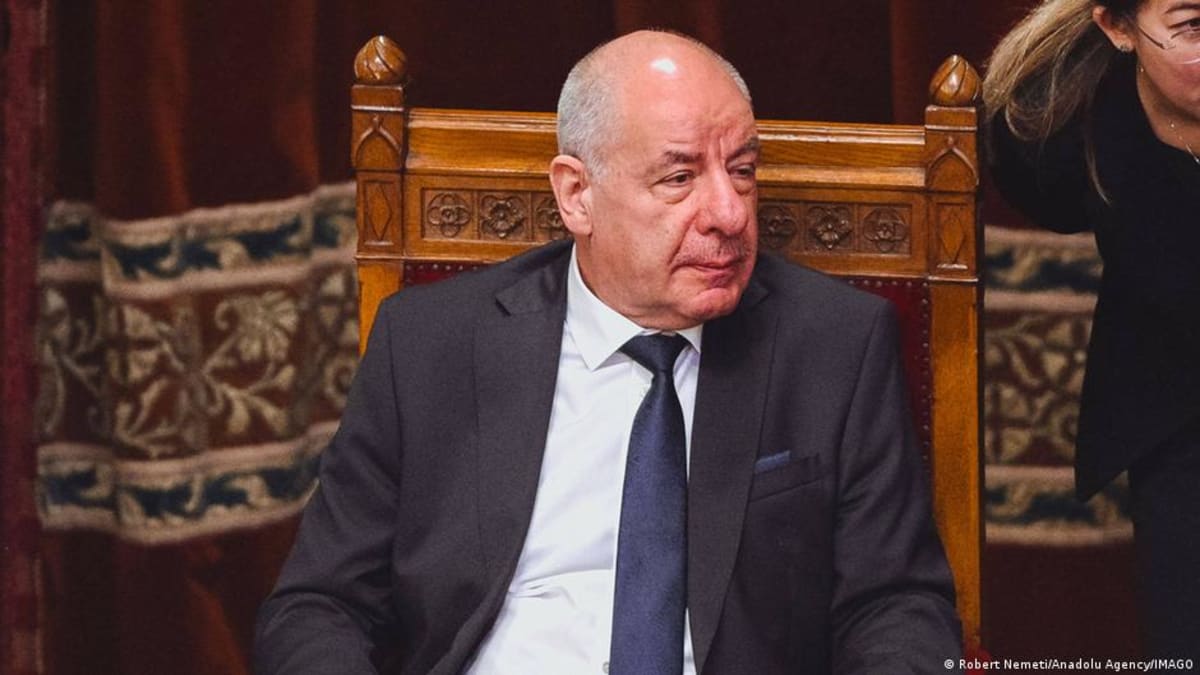
After 16 years under Viktor Orban's rule, Hungary is completing its democratic transition as outgoing President Tamas Sulyok signed an amendment ending his own term. The move clears the path for new leadership under reform-minded Prime Minister Peter Magyar. #
Hungary is turning a new page in its democratic story. President Tamas Sulyok signed a constitutional amendment on Saturday that immediately ended his own presidency, fulfilling a key promise of the country's recent political transformation.
The dramatic move follows April's landslide election victory by Prime Minister Peter Magyar and his center-right Tisza party. Magyar won a stunning two-thirds parliamentary majority on a platform of "regime change" after 16 years of rule by Viktor Orban's Fidesz party.
Sulyok, an ally of former Prime Minister Orban, had resisted stepping down until now. "I am fulfilling my obligation under the Fundamental Law after carefully weighing my legal options and my conscience," he said in his announcement.
His term officially ends Sunday at midnight. Parliament Speaker Agnes Forsthoffer will serve as interim president until lawmakers elect a permanent replacement within the next 30 days.
The constitutional amendment does more than change presidents. It establishes 12-year term limits for all lawmakers and sets mandatory retirement at age 70 for Constitutional Court justices, preventing the concentration of power that marked the Orban era.
Magyar welcomed Sulyok's decision as removing "the final obstacle to our joint decisions taking effect." The new prime minister has promised to restore accountability and make the government serve its citizens again.
Why This Inspires
Hungary's peaceful transition shows democracy's resilience. After years of European Union sanctions and criticism over rule of law concerns, Hungarian voters chose change at the ballot box and are now seeing their will implemented through constitutional means.
The reforms address real concerns about power concentration while respecting legal processes. Parliament used its legitimate authority to pass amendments that prevent any future leader from accumulating unchecked control.
Magyar framed the changes as restoration, not revolution. "We are restoring something that the Orban regime tried for many years to take away: the certainty that power can be limited, that public assets can be recovered, and that the state can once again serve its citizens."
The story resonates beyond Hungary's borders. It demonstrates that even after years of democratic backsliding, citizens can reclaim their institutions through free and fair elections.
Some critics worry about the speed of changes, with Human Rights Watch noting concerns about rushed reforms. Yet the overwhelming electoral mandate and constitutional process provide legitimacy to Hungary's democratic renewal.
Hungary is proving that hope and persistence can overcome entrenched power structures when citizens demand better.
#
Based on reporting by DW News
This story was written by BrightWire based on verified news reports.
Spread the positivity!
Share this good news with someone who needs it