Hungary Elects Reformer Magyar, Ends Orban's 16-Year Rule
After 16 years under Viktor Orban's controversial leadership, Hungarian voters delivered a landslide victory to reformer Peter Magyar, signaling hope for democratic renewal. With a record 77% turnout and a historic two-thirds majority, the country chose change.
Hungary just made one of the biggest political turnarounds in modern European history, and voters are celebrating what they're calling a return to democratic normalcy.
Peter Magyar, leader of the center-right Tisza party, won approximately 138 seats out of 199 in Parliament. That gives him a rare two-thirds majority, enough power to rewrite the Constitution and undo institutional changes made during the Orban era.
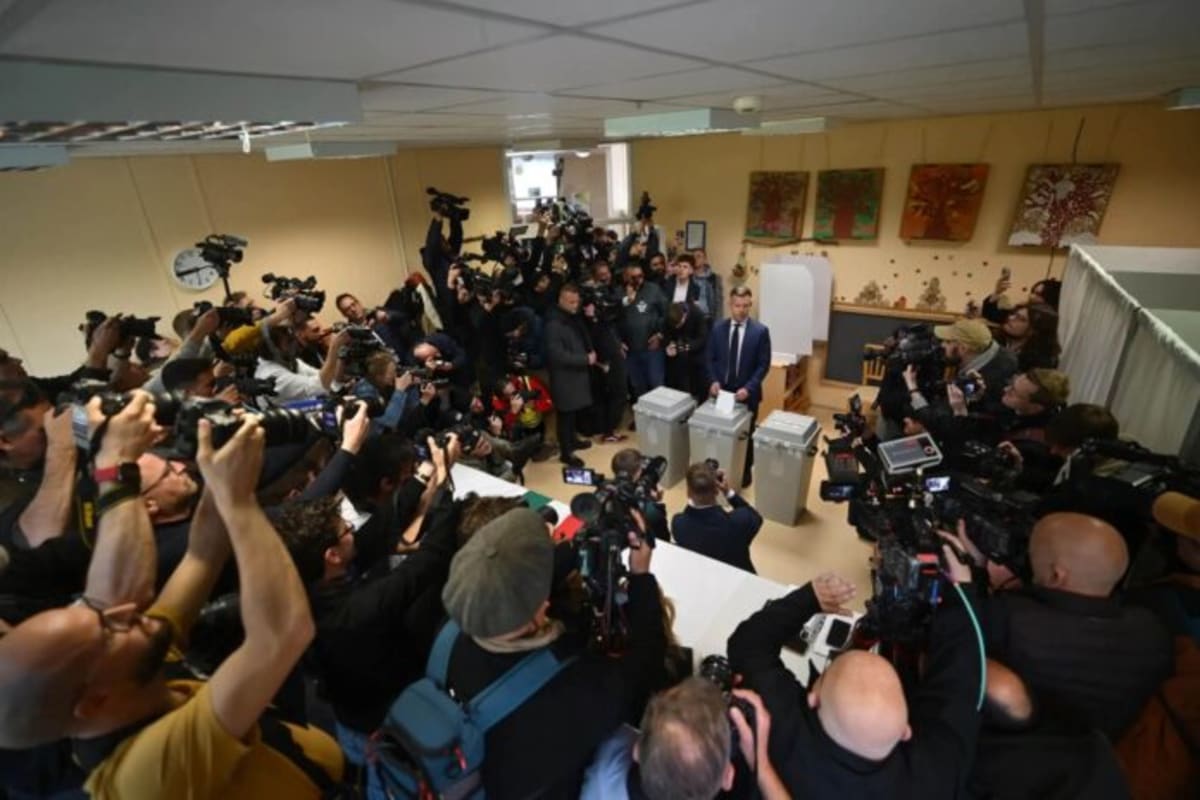
The victory came with over 3.3 million votes and a stunning 77% voter turnout, the highest in recent Hungarian history. That level of participation signals something deeper than typical political dissatisfaction. It shows a nation mobilized for transformation.
Viktor Orban, who governed Hungary for 16 years and became one of Europe's most divisive leaders, conceded defeat quickly. He called the result "painful but clear" and acknowledged voters had chosen a different path. His graceful concession helped avoid post-election tensions.
On the banks of the Danube River, with Budapest's illuminated Parliament as his backdrop, Magyar addressed thousands of supporters. "Tisza and Hungary have won these elections," he declared. "Not by a little, but by a lot."
Magyar's victory speech focused on restoration rather than revenge. He promised to rebuild checks and balances in government, join the European Public Prosecutor's Office, and recover frozen EU funds. He called for peaceful transition and cooperation.
His first foreign trips will take him to Poland, Vienna, and Brussels. The goal is strengthening regional partnerships while mending Hungary's strained relationship with the European Union.
The Ripple Effect
This election matters far beyond Hungary's borders. For years, Orban's model of "illiberal democracy" created friction within the European Union and inspired similar movements elsewhere. His defeat removes a major obstacle to EU unity.
But Magyar isn't promising a complete ideological reversal. He maintains conservative positions on immigration and some international issues. The difference is his commitment to democratic institutions and European cooperation.
Poland's recent democratic renewal created momentum. Now Hungary follows, suggesting a broader trend across Central Europe toward accountability and transparency in government.
The real test comes next. Magyar must transform his electoral mandate into lasting reforms without simply replacing one power structure with another. Hungarian voters will be watching to ensure their faith in change was well placed.
For now, the streets of Budapest tell a story of hope renewed and democracy defended by ordinary citizens who showed up in record numbers to reclaim their country's future.
More Images
Based on reporting by Google News - Historic Victory
This story was written by BrightWire based on verified news reports.
Spread the positivity!
Share this good news with someone who needs it