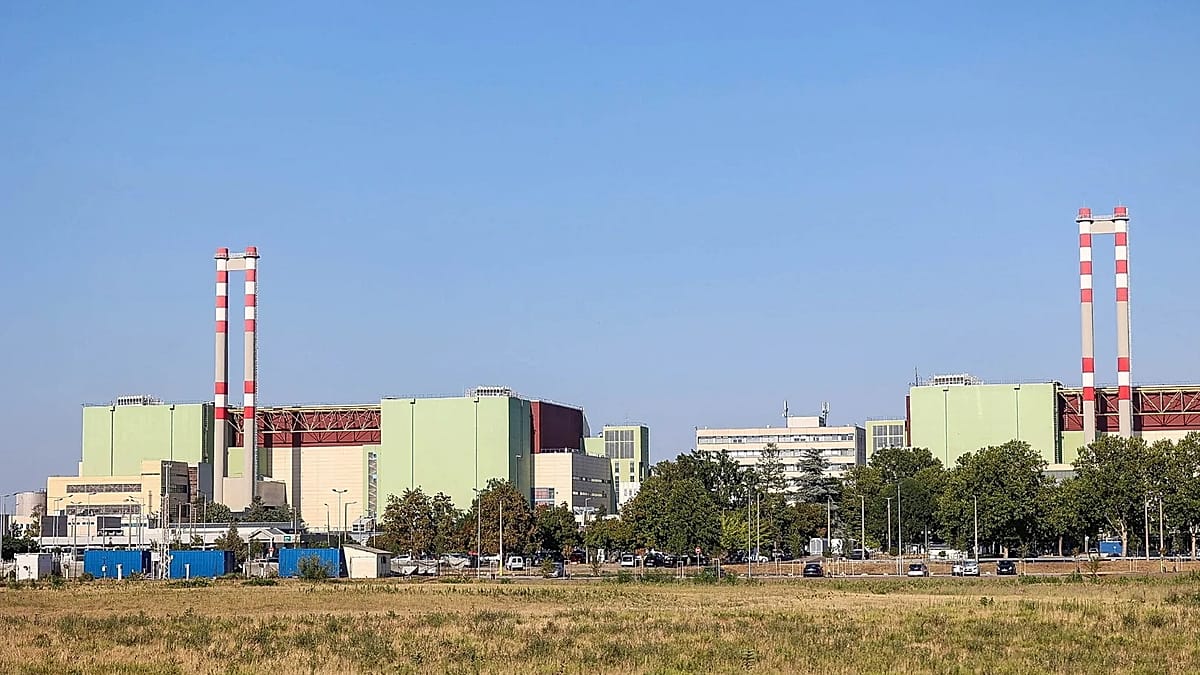
Hungary's Paks Nuclear Plant Powers Back Up as Danube Rises
After rainfall in Austria raised the Danube River by 19 centimeters, Hungary's Paks Nuclear Power Plant is bringing its second turbine back online, more than doubling its electricity output. The good news comes just a week after historic low water levels forced three of four reactor units to shut down.
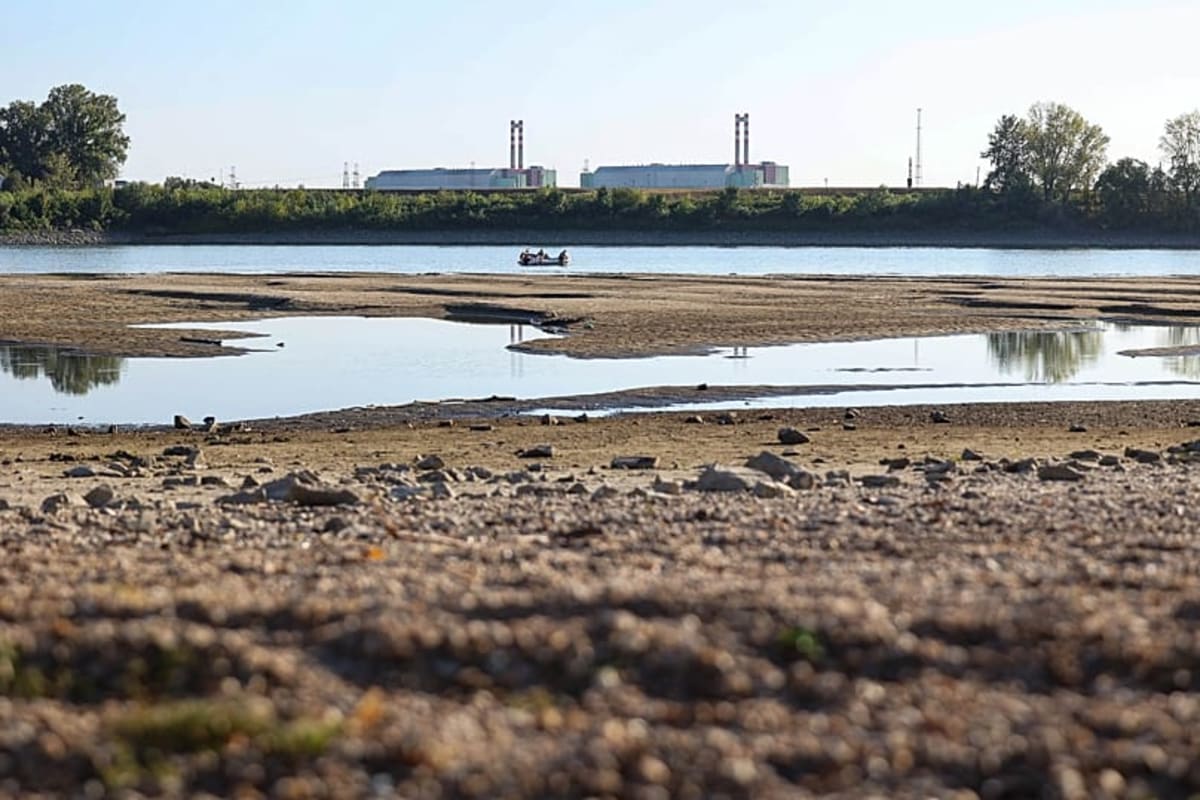
When the Danube River dropped to a historic low in early August, Hungary faced an energy crisis that forced its main nuclear power plant to shut down three of its four reactors. Now, thanks to rainfall upstream in Austria, the river is rising again and bringing much-needed relief.
The water level at Paks, located south of Budapest, climbed 19 centimeters from its previous low point. That might not sound like much, but it made all the difference for the plant's cooling systems.
On Monday evening, engineers successfully restarted the first additional turbine under strict safety protocols. The plant's power output immediately jumped from 240 megawatts during the crisis to 500 megawatts, enough to power hundreds of thousands of homes.
The shutdown had been triggered when the Danube dropped to minus 134 centimeters at Paks, a record low. Nuclear plants need constant water flow to cool their systems, and without adequate river levels, safe operation becomes impossible. Operators had no choice but to power down three units gradually, leaving only one turbine running.
The rainfall over Austrian catchment areas created a flood wave that traveled downstream, finally reaching the Paks section. The extra water volume restored proper pressure to the cold-water channel pumps, allowing the condensers to function efficiently again.
Safety remains the top priority throughout the restart process. Engineers are checking half a million components to ensure the heat and temporary shutdown didn't cause any microscopic defects. The reactor's thermal output increases step by step, not all at once, following a strict timetable that synchronizes with the generator's connection to the grid.
The systems cooling the reactor core and spent fuel pools never stopped working, even during the lowest water levels. Before restarting each turbine, technicians must create adequate vacuum in the condenser and verify the quality of the secondary-circuit water.
The Ripple Effect
This recovery shows how interconnected European infrastructure really is. Rainfall hundreds of miles away in Austria directly impacts energy production in Hungary, which in turn affects electricity availability across the region. The quick response also demonstrates how modern nuclear facilities can safely scale down and back up when environmental conditions demand it.
As climate patterns shift, power plants across Europe are learning to adapt to more extreme weather events. The successful management of this crisis, with safety never compromised, offers a template for handling similar situations in the future.
The phased reactivation continues as water levels stabilize, bringing Hungary one step closer to full power capacity and energy security.
More Images
Based on reporting by Euronews
This story was written by BrightWire based on verified news reports.
Spread the positivity!
Share this good news with someone who needs it