Huntington's Protein Clumps May Actually Protect the Brain
Scientists discovered that the toxic protein clusters blamed for Huntington's disease might actually be the brain's defense system, not the villain. This finding could transform how we treat multiple brain diseases.
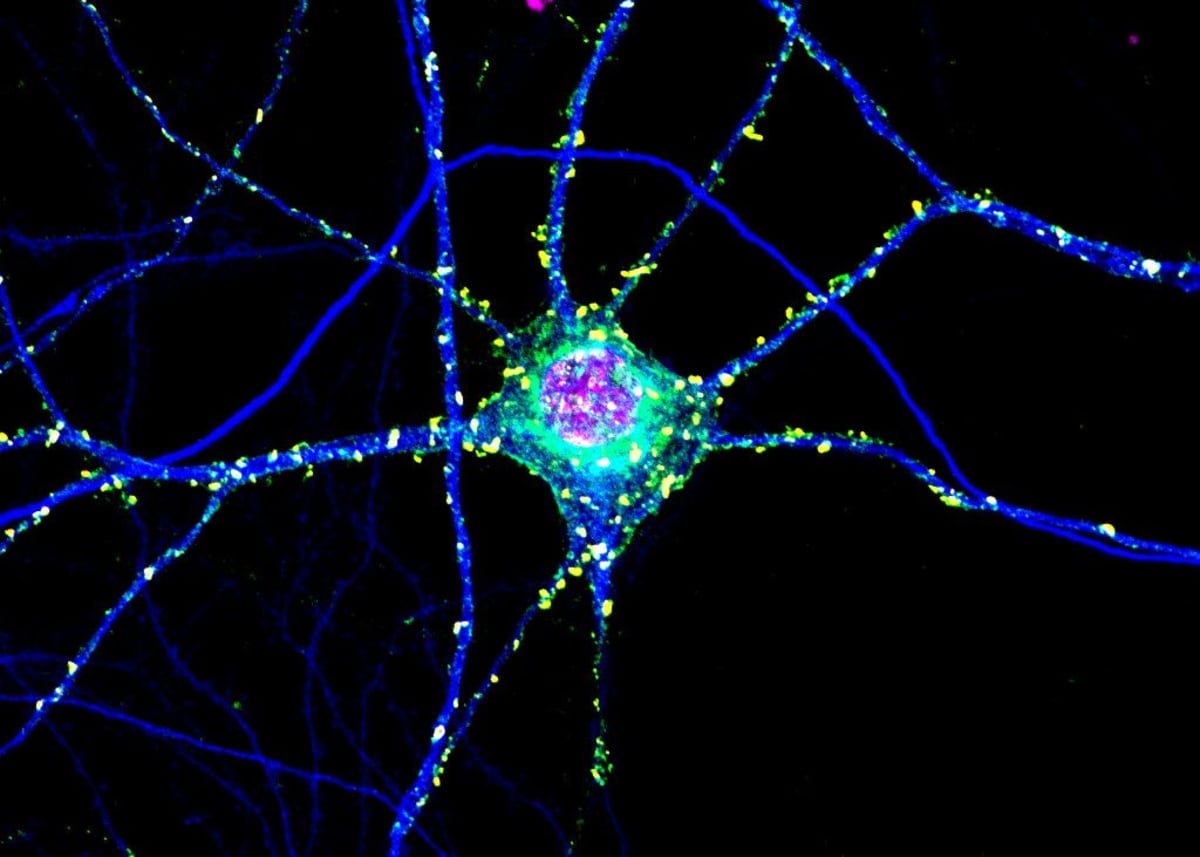
Brain cells might be smarter than we thought. Researchers at Hebrew University of Jerusalem found that the protein clumps long blamed for destroying brains in Huntington's disease could actually be protecting neurons from harm.
For decades, scientists believed the story was simple. A genetic mutation causes sticky, misshapen proteins to clump together in brain cells, gradually killing them and robbing people of memory, movement, and decision-making abilities. Drugs targeting these clumps have failed repeatedly.
The new research flips that script. When scientists prevented cells from forming these clumps, called inclusion bodies, something unexpected happened. The cells became more vulnerable to damage, not less.
Think of inclusion bodies as quarantine zones. They physically separate dangerous proteins from the rest of the cell. But they do something even more clever: They change how genes respond to inflammation and stress.
The research team used cells from severe Huntington's patients and the gene-editing tool CRISPR to track what happened in real time. Some cells formed protective clumps while others didn't, even though they had identical genetics.
When researchers stressed these cells with chemicals, those with inclusion bodies survived better. The team identified a master regulator gene called ATF3 that orchestrates this protective response. When they removed ATF3, the protective effect disappeared.
Huntington's disease is especially tragic because it's entirely genetic and currently incurable. People with more than 39 repeats of a specific DNA sequence will develop the disease. Severe cases have over 100 repeats, and the patients in this study had more than 180.
The findings only apply to cells in a dish so far, not living patients. And the clumps could be a double-edged sword, helpful early on but harmful later. Still, this changes how we should think about treating not just Huntington's but potentially Alzheimer's, Parkinson's, and ALS, which all involve similar protein clumps.
The decades-long struggle to treat Alzheimer's by removing protein clumps earned the nickname "graveyard of dreams" among researchers. Two recently approved drugs show modest benefits but sparked controversy over safety concerns.
Understanding that these clumps might serve a protective purpose, at least initially, gives scientists a new angle. Instead of simply trying to eliminate them, future treatments might work with the brain's natural defense systems.
Why This Inspires
This discovery reminds us that biology is rarely simple. What looks like a villain might be a misunderstood hero. The finding came from researchers willing to question decades of scientific dogma and look at old problems with fresh eyes.
Lead researcher Eran Meshorer said these structures are "not merely byproducts of disease, but a central factor in the cell's ability to mount a protective response against stress." Sometimes protection and damage wear the same face.
Science moves forward one surprise at a time, and this one brings hope to millions waiting for better treatments.
More Images


Based on reporting by Singularity Hub
This story was written by BrightWire based on verified news reports.
Spread the positivity!
Share this good news with someone who needs it