Hydrogen Business Jet Passes Major Certification Milestone
A French startup's zero-emission private jet just cleared a crucial design hurdle, bringing quiet, clean air travel closer to reality by 2030. Beyond Aero's hydrogen-powered aircraft could fly eight passengers up to 920 miles without producing any carbon emissions.
The future of guilt-free private aviation just got a major boost. French aerospace startup Beyond Aero announced its hydrogen-powered business jet, the BYA-I, has completed its Preliminary Design Review, a critical step toward getting the groundbreaking aircraft certified and into the sky.
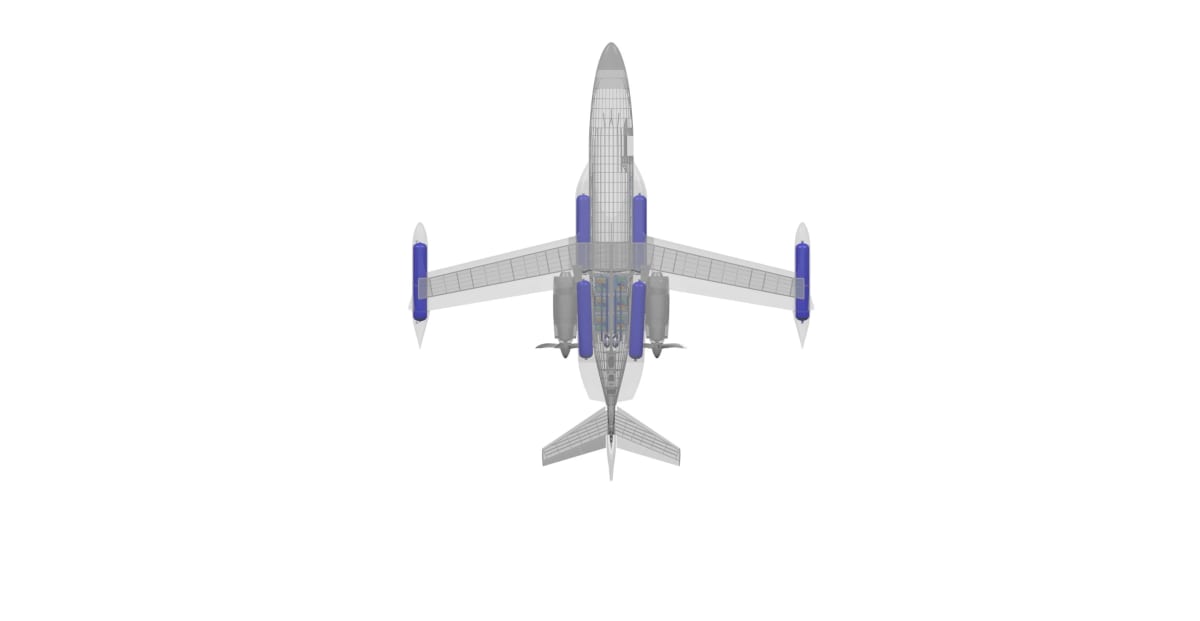
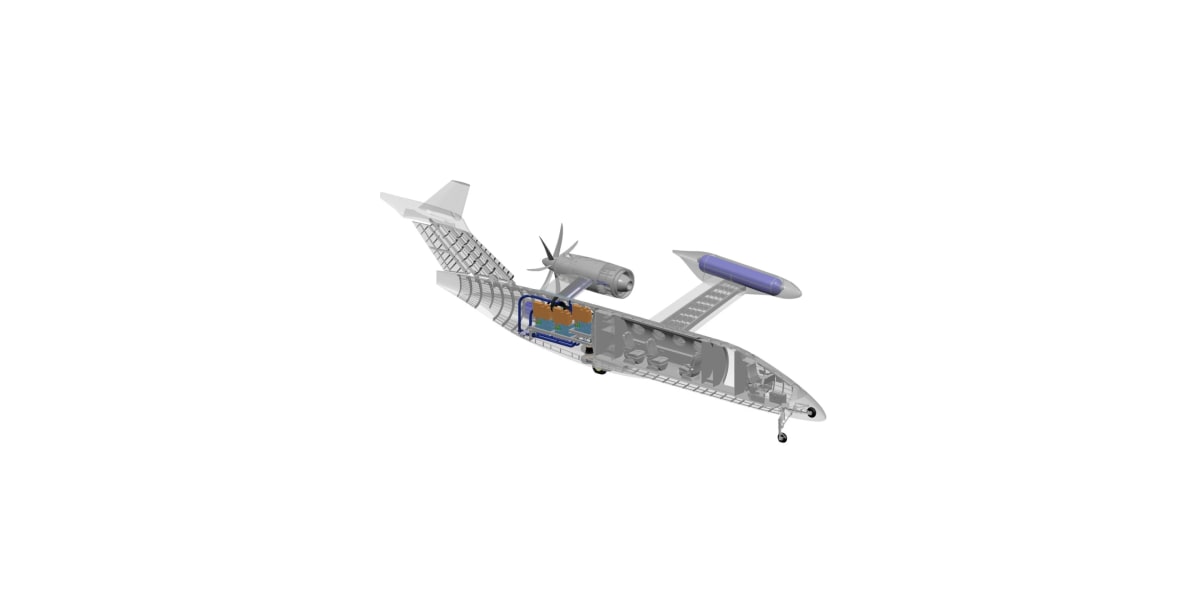
The eight-passenger jet runs on compressed hydrogen gas that powers six fuel cells, which drive quiet electric turbofan motors. Unlike conventional jets that burn fossil fuels, the BYA-I produces only water vapor as exhaust, creating zero carbon emissions during flight.
Beyond Aero chose a simpler approach than other hydrogen aircraft projects by using highly pressurized gaseous hydrogen instead of super-cold liquid hydrogen. This decision means the plane can use existing high-pressure storage technology rather than requiring complex cryogenic systems at airports, making it far more practical for actual deployment.
The aircraft is designed for short trips under 920 miles at a cruising speed of 345 mph. That range covers popular business routes like New York to Chicago or London to Rome, carrying up to eight passengers plus two crew members.
The Ripple Effect
This milestone matters beyond just one company's achievement. Beyond Aero is seeking the industry's highest safety certification standard from both European and American aviation authorities, the same level required for large commercial airliners.
If successful, the BYA-I would become the first certified hydrogen-powered business jet, potentially opening the door for larger aircraft to follow. The company's Chief Engineer Luiz Oliveira confirmed the design has reached the maturity level needed for certification, with the program now moving into detailed design and system verification.
The zero-emission powertrain would make the aircraft immune to carbon taxes and flight-shaming regulations that increasingly target private aviation. More importantly, it demonstrates that hydrogen technology can meet rigorous safety standards while offering performance comparable to conventional jets.
Beyond Aero aims to have the BYA-I in service by 2030, giving the aviation industry a viable path toward cleaner skies. While challenges remain, including the need for widespread hydrogen refueling infrastructure, the successful design review proves the technology is ready to move from concept to reality.
The company's confidence in pursuing the highest certification standard signals their belief that clean aviation isn't just a distant dream but an achievable goal within this decade.
More Images


Based on reporting by New Atlas
This story was written by BrightWire based on verified news reports.
Spread the positivity!
Share this good news with someone who needs it