Hydrogen Fuel Cell Trucks Gain Ground in Europe and US
Major automakers including Toyota, Daimler, and Volvo are joining forces to build a hydrogen truck ecosystem in Europe, offering a complementary path to battery-electric vehicles. With new import terminals and growing bus fleets, hydrogen fuel cells are becoming a real alternative for zero-emission transportation.
While battery-electric trucks have dominated the zero-emission conversation, hydrogen fuel cell vehicles are quietly building momentum on both sides of the Atlantic.
Major players Toyota, Daimler Truck, Volvo Group, Bosch, and energy giants like TotalEnergies are set to announce a major collaboration in Germany on September 15. The goal is to create a complete hydrogen ecosystem that works alongside battery solutions, especially for heavy-duty freight hauling where range and refueling speed matter most.
The timing reflects Europe's push to reduce fossil fuel dependence while meeting climate goals. Germany's energy firm Uniper just completed Phase I of a new import terminal at Wilhelmshaven, the country's only deep-water port, designed to bring in liquid ammonia that can be converted to hydrogen on site.
The facility could eventually process 2.6 million tons of ammonia annually, equivalent to around 350,000 tons of hydrogen. Uniper has already signed deals with India-based AM Green to purchase up to 500,000 tons of green ammonia per year, made using renewable electricity rather than fossil fuels.
In the United States, hydrogen buses are proving the technology works in demanding conditions. California's Victor Valley Transit Authority just launched 13 hydrogen fuel cell buses to complement its battery-electric fleet that started rolling in 2019.
The transit agency says hydrogen provides another zero-emission option that can handle the demanding range requirements of its expansive service area. This dual approach offers a valuable lesson: different technologies can work together rather than competing.
The Bright Side
The real win here isn't about hydrogen versus batteries. It's about having options that fit different needs.
Long-haul trucks might benefit from faster hydrogen refueling, while urban delivery vehicles could stick with overnight battery charging. Transit agencies can choose the best fit for their routes and budgets instead of putting all their eggs in one basket.
New York's Metropolitan Transportation Authority learned this lesson the hard way when relying on a single battery manufacturer created bottlenecks in converting its 5,700-bus fleet. A healthy mix of technologies means more competition, better prices, and faster innovation.
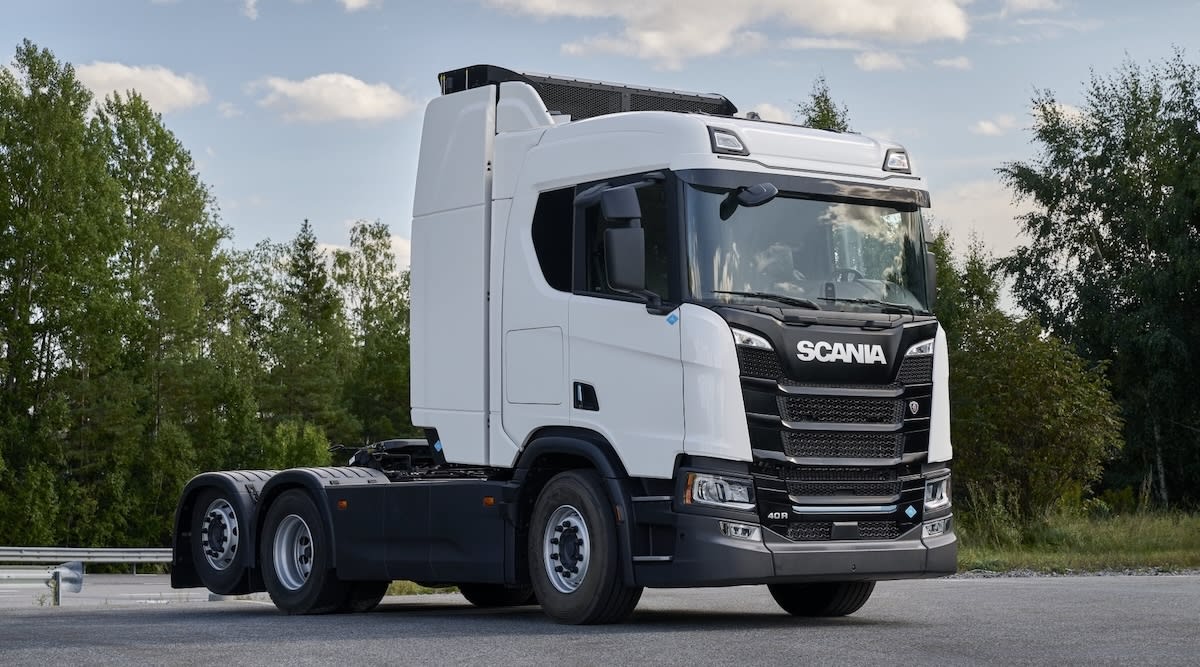
Toyota is also supplying 40 fuel cell systems to Swedish truckmaker Scania, showing how established partnerships are turning concepts into concrete orders. The infrastructure is growing too, with import terminals, refueling stations, and maintenance networks expanding to support these vehicles.
Europe's new hydrogen supply chains could also strengthen ties with emerging green energy producers in India and other countries investing heavily in renewable power. That means new trade relationships built around clean energy instead of fossil fuels.
The September 15 announcement will reveal more details, but the momentum is already clear: hydrogen fuel cells are moving from experimental to practical, giving fleet operators real choices in their journey to zero emissions.
More Images

Based on reporting by CleanTechnica
This story was written by BrightWire based on verified news reports.
Spread the positivity!
Share this good news with someone who needs it