Hydrogen Helicopter Completes First Real Mission Flight
A hydrogen-powered helicopter just finished the first full operational flight in aviation history, proving this zero-emission technology works in the real world. The breakthrough brings hope for clean emergency medical transport, including life-saving organ deliveries.
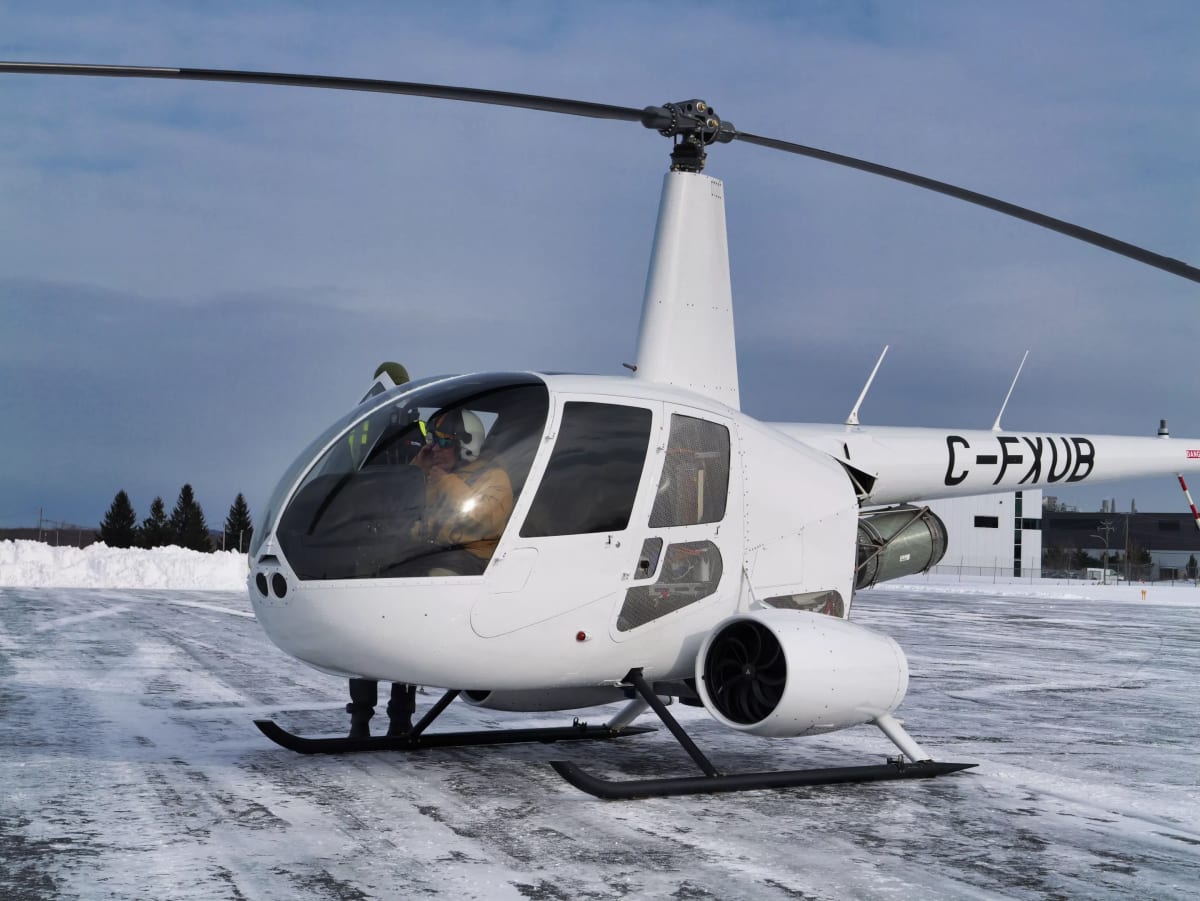
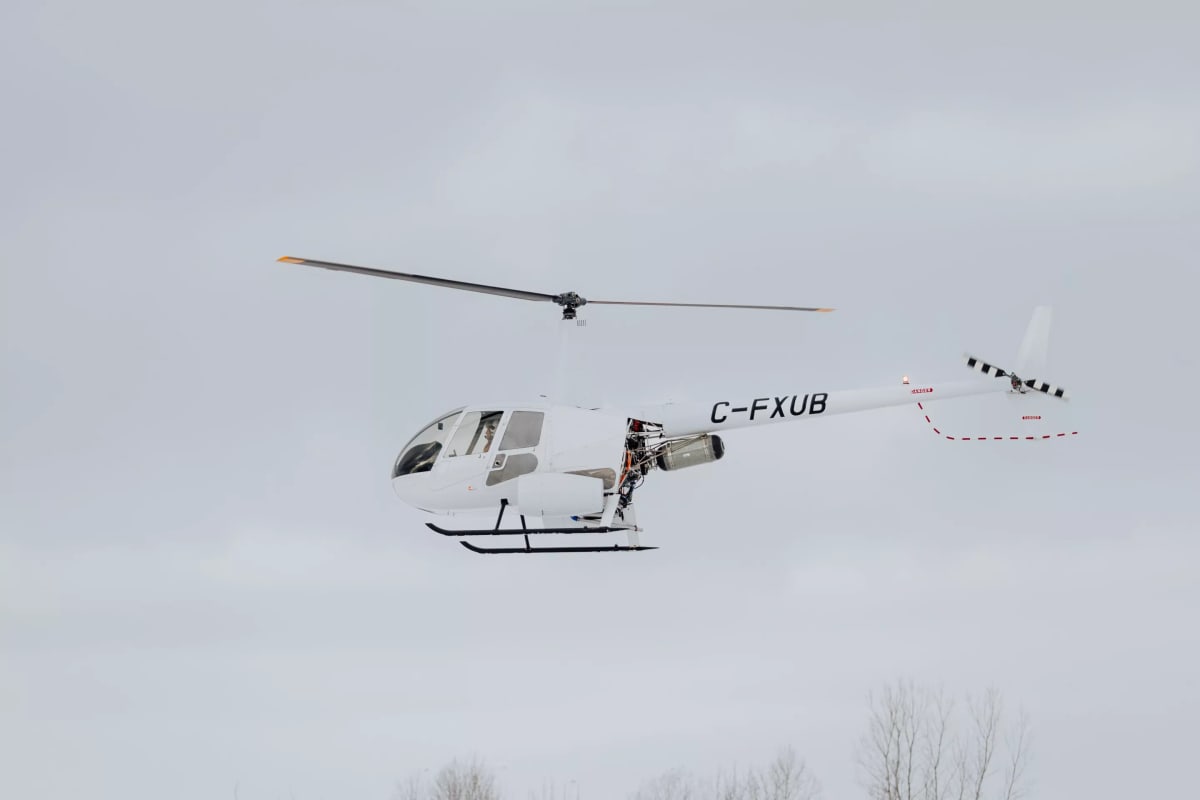
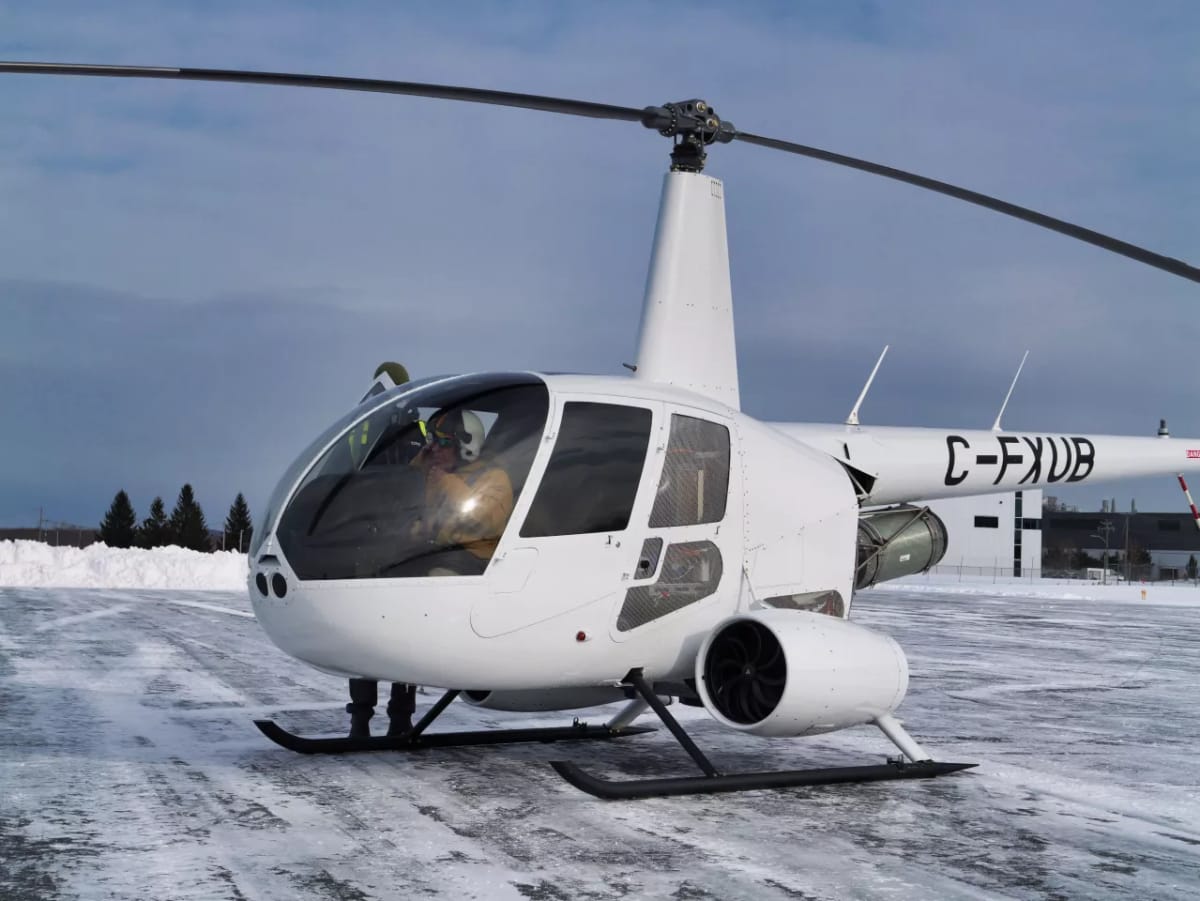
A modified Robinson R44 helicopter lifted off from Roland-Désourdy Airport in Quebec last month and made history. It became the first hydrogen-powered helicopter to complete a full operational circuit with takeoff, climb, pattern flight, approach, and landing under real-world conditions.
The distinction matters because previous tests only showed the system could hover for three minutes. This April flight proved the technology works for actual missions, giving regulators the proof they need to move forward with certification.
Behind the milestone is Unither Bioélectronique, a Canadian company with a mission that goes beyond flashy tech demos. They're building this aircraft to deliver transplant organs to patients who need them, creating a zero-emission transportation network that could save lives.
The prototype swaps the R44's conventional engine for an electric powertrain built around two fuel cells that convert hydrogen and oxygen into electricity. The only byproduct is water. A lithium-ion battery handles sudden power spikes during takeoff and sharp maneuvers, while the fuel cells supply over 90 percent of the power during flight.
During early flights, the system hit a peak output of around 239 horsepower, with 208 horsepower at the rotor shaft during hover. The current version runs on compressed gaseous hydrogen, but the company is targeting liquid hydrogen for future models because it stores far more energy in the same space.
The next step is scaling up to the larger Robinson R66 platform, which is better suited for earning formal regulatory approval from Transport Canada and the FAA. The target range is between 200 and 250 nautical miles, enough for meaningful medical missions.
The Ripple Effect
Unither already proved its commitment to this vision in 2021 when the company used its own drone to transport donor lungs between two Toronto hospitals in just six minutes. That urban flight showed how aerial transport could revolutionize emergency medicine in congested cities.
The hydrogen helicopter takes that same vision further, opening possibilities for emergency response and regional logistics across wider areas. Other companies are racing to join them, including Piasecki Aircraft with a seven-passenger hydrogen helicopter and Joby Aviation, which already flew a hydrogen-electric air taxi 523 miles.
The energy math heavily favors hydrogen over batteries. Fuel cells today achieve power densities of around 2,900 watts per kilogram, with targets of 4,500 by 2030. The best lithium batteries currently available deliver only 380 to 400 watts per kilogram, meaning hydrogen configurations can deliver up to 2.2 times the range of battery-electric equivalents.
The remaining obstacle is regulatory, not technical. Certifying hydrogen aircraft requires new airworthiness standards covering fuel cells, high-pressure hydrogen storage, and high-voltage systems. That process is underway at the FAA and Transport Canada, with operators currently flying under experimental permits in controlled environments.
What started as a three-minute hover test has become a repeatable, safe pathway for zero-emission flight that could transform how we deliver emergency medical care.
More Images

Based on reporting by New Atlas
This story was written by BrightWire based on verified news reports.
Spread the positivity!
Share this good news with someone who needs it