Hyundai Develops Tech to Detect EV Battery Fires 30 Min Early
Hyundai is pioneering new technology in South Korea that could detect electric vehicle battery problems up to 30 minutes before they catch fire. The innovation could make EVs significantly safer while extending battery life.
Electric vehicle batteries could soon become much safer thanks to groundbreaking technology being developed by Hyundai Mobis in South Korea.
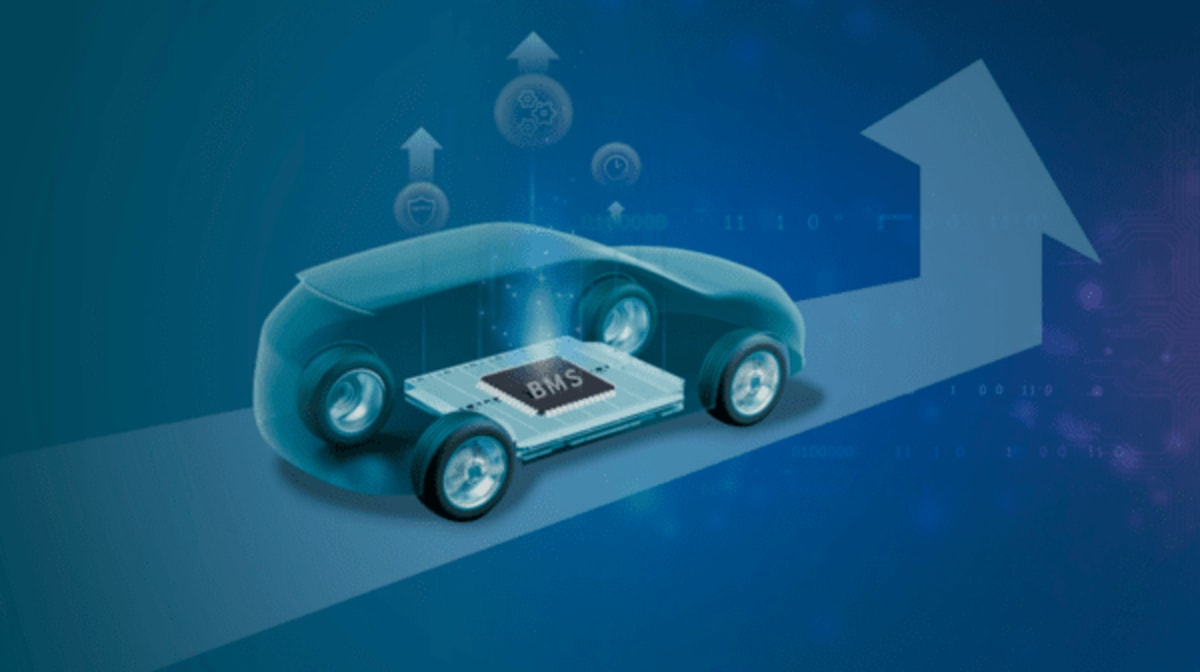
The auto parts giant is creating a new battery management system that can spot problems inside EV batteries up to 30 minutes before they could lead to fires. This early warning system could prevent dangerous thermal runaway events, giving drivers and emergency responders crucial extra time.
The technology, called electrochemical impedance spectroscopy or EIS, works like an advanced health monitor for batteries. Instead of just checking basic measurements like voltage and temperature, it analyzes the battery's internal chemistry by sending electrical signals at different frequencies.
Current battery systems can miss early warning signs of trouble brewing inside the cells. By the time conventional sensors detect a problem, it may already be too late to prevent a fire.
Hyundai Mobis started developing this system in 2025 alongside Hyundai Motor, partnering with chipmaker Analog Devices. The company plans to develop its own software while using specialized chips designed for this purpose.
The benefits extend beyond safety. The technology can measure each battery's internal temperature more precisely, leading to safer fast charging and longer battery life. It can also give drivers more accurate readings of how much charge remains and overall battery health.
The Ripple Effect
This advancement positions South Korea as only the second country to bring EIS technology to electric vehicles, following China's XPENG. But Hyundai might go even further by combining it with wireless battery management, which would be a world first.
The timing couldn't be better as electric vehicles become mainstream. Battery safety concerns have slowed some buyers from making the switch, and technologies like this address those worries head-on.
Mass production is expected after 2028, with two luxury EV models being considered for the first applications. One could be a next-generation Genesis electric vehicle, bringing premium safety features to Hyundai's upscale brand.
The technology requires three to four years of rigorous safety testing before reaching consumers, but that careful approach ensures reliability. South Korean battery makers are already planning to apply similar systems to energy storage facilities before bringing them to vehicles.
Every innovation that makes electric vehicles safer and more reliable brings us closer to cleaner transportation for everyone.
More Images



Based on reporting by Regional: south korea technology (KR)
This story was written by BrightWire based on verified news reports.
Spread the positivity!
Share this good news with someone who needs it