Hyundai's Vision Pulse Detects Obstacles Through Walls
Hyundai and Kia just unveiled technology that can "see" pedestrians and cyclists through buildings and bad weather, potentially preventing thousands of collisions. The best part? Many vehicles already have the hardware needed.
📺 Watch the full story above
Imagine a car that can detect a child running into the street before you even see them, even if a parked van blocks your view. That's exactly what Hyundai and Kia's new Vision Pulse technology promises to deliver.
The two automakers announced their groundbreaking safety system on January 30, 2026. Vision Pulse uses ultra-wide band signals to pinpoint the exact location of pedestrians, cyclists, and other vehicles in real time, even when they're hidden behind obstacles or obscured by rain, fog, or darkness.
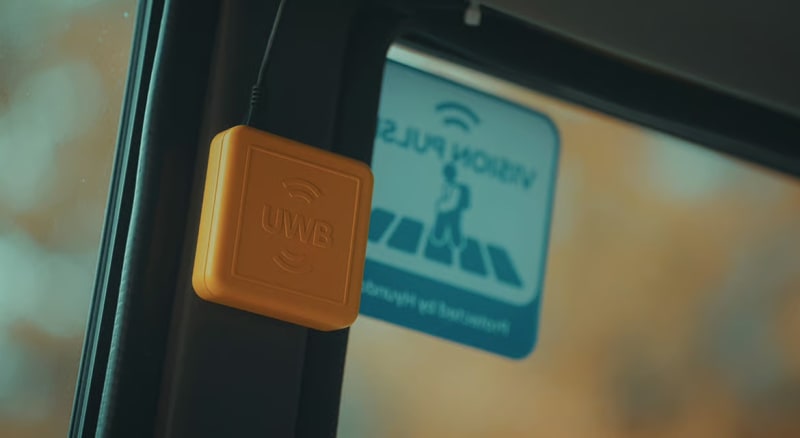
Here's how it works: UWB modules in vehicles send out signals that communicate with UWB chips already found in smartphones, smartwatches, and fitness trackers. The system measures how long signals take to travel between devices, calculating positions accurate to within 10 centimeters across a 100-meter radius. When a collision seems likely, drivers get instant alerts.
The technology maintains over 99 percent accuracy in adverse weather and at night, with lightning-fast communication speeds of just 1 to 5 milliseconds. That's quick enough to warn drivers about dangers they literally cannot see.
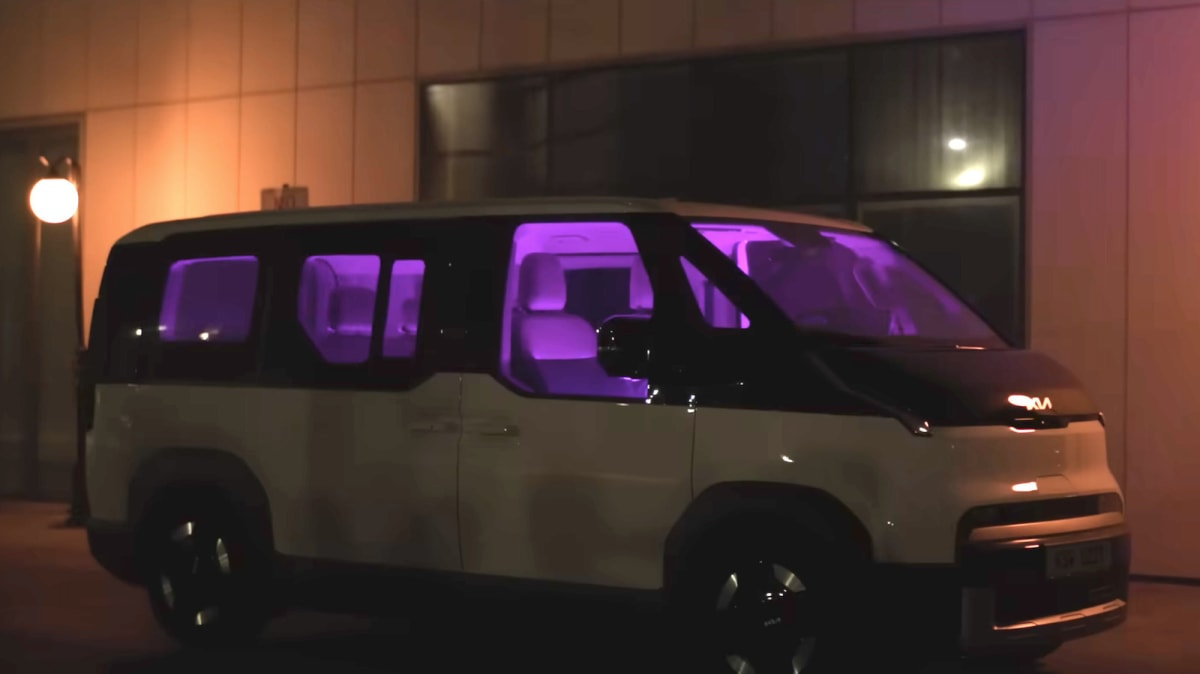
What makes Vision Pulse especially exciting is its accessibility. Vehicles with Hyundai and Kia's Digital Key 2 already have the necessary UWB modules installed, meaning no expensive upgrades required. The system also reduces reliance on costly sensors like LiDAR and radar while maintaining high safety standards.
The companies are already testing real-world applications. At Kia's production facility in Hwaseong, South Korea, Vision Pulse helps prevent collisions between forklifts and workers. Trials at Busan Port Authority are validating the system's ability to protect workers around heavy industrial equipment.
The Ripple Effect
Beyond keeping drivers safe, Vision Pulse could transform workplace safety across industries. Warehouses could use the technology to prevent accidents between machinery and workers. Emergency responders could locate people trapped under rubble during disasters, turning smartphones into lifesaving beacons.
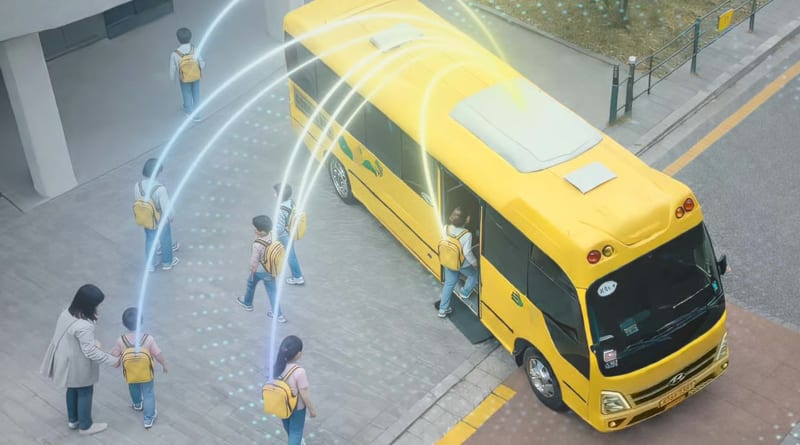
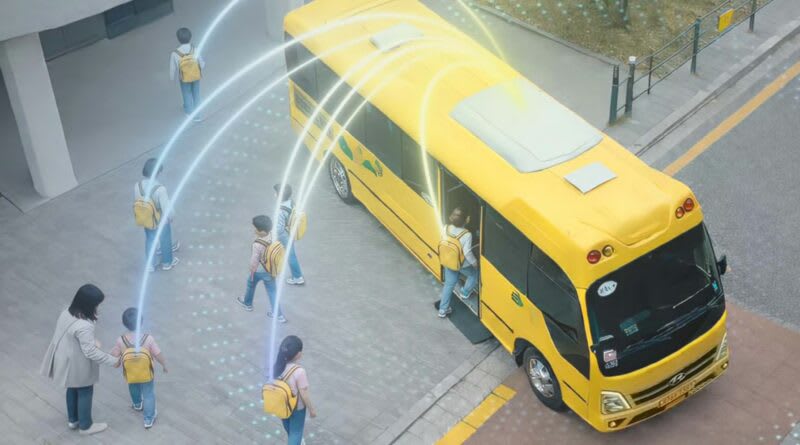
Hyundai and Kia showcased one particularly heartwarming application: protecting kindergarten children near school buses. They created angel-shaped keyrings with UWB chips that attach to backpacks. The keyrings double as nightlights, encouraging kids to charge them every evening as part of their bedtime routine.
Vision Pulse remains in advanced development, and the companies haven't confirmed when it might reach production vehicles. But the technology is already proving its worth in industrial settings, showing that safer roads and workplaces might be closer than we think.
More Images


Based on reporting by CleanTechnica
This story was written by BrightWire based on verified news reports.
Spread the positivity!
Share this good news with someone who needs it