IAS Officer Brings 42,000 Indian Kids Desks and Smart Classes
For years, primary school students in Ratlam sat on bare floors because there weren't enough desks. IAS officer Vaishali Jain launched a three-part education transformation that's changing everything.
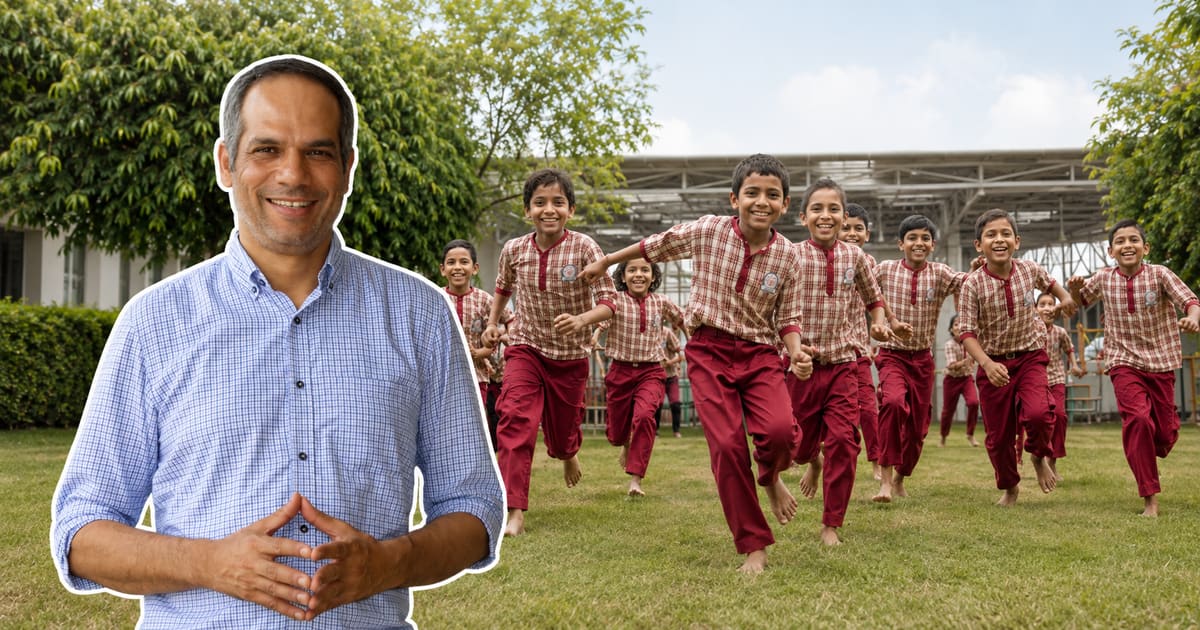
For years, hundreds of children in Ratlam's government primary schools started each day the same way: sitting cross-legged on bare classroom floors. There simply weren't enough desks to go around in this district in Madhya Pradesh, India.
When IAS officer Vaishali Jain took charge as CEO of Ratlam Zila Panchayat nine months ago, she saw these gaps as connected problems rather than isolated issues. Smart boards hung on classroom walls in secondary schools, but the digital content to make them useful was missing entirely.
Jain built a solution in three layers, starting with dignity. Her Gyanodaya campaign is installing over 21,000 bench-desks across 1,011 primary schools, reaching more than 42,000 students who previously had nowhere proper to sit.
Instead of waiting for government funding alone, she created an open adoption model. Villages could adopt their own schools, while corporate social responsibility partners and local political leaders pooled resources to speed the process.
A transparent system using Google Forms, authorized vendor lists and a public helpline lets donors choose specific schools to support. Around 200 schools now have benches, nearly 100 have been repaired, and rainwater harvesting structures extend building life.
"No student in these schools sits on the floor anymore," Jain said. "They very respectfully sit on their benches."
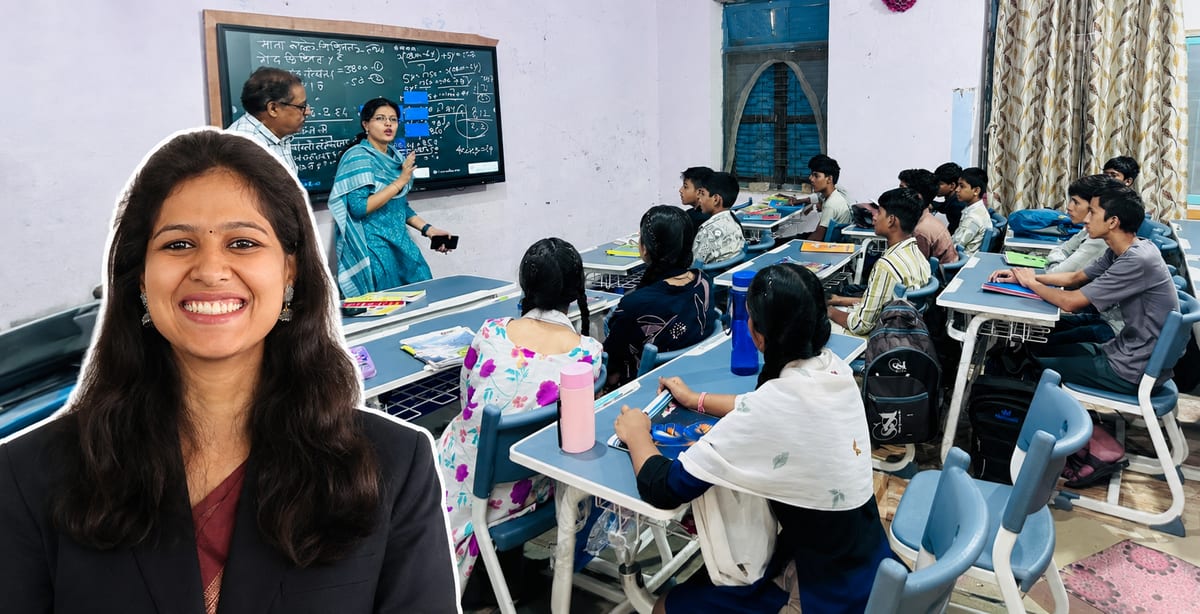
With classrooms more welcoming, Jain tackled her next challenge: how could rural students access the same quality teaching available in cities? She launched E-Gyan Setu, a digital learning platform that strengthens rather than replaces teachers in grades nine and ten.
Sixteen subject experts created video lectures, bridge courses, worksheets and AI-assisted content mapped to the curriculum. The program runs in 100 schools, with assessments every two weeks flagging weak areas before gaps widen.
Plans are underway for a dedicated recording studio and content in local languages including Malvi and Bhili.
The Ripple Effect
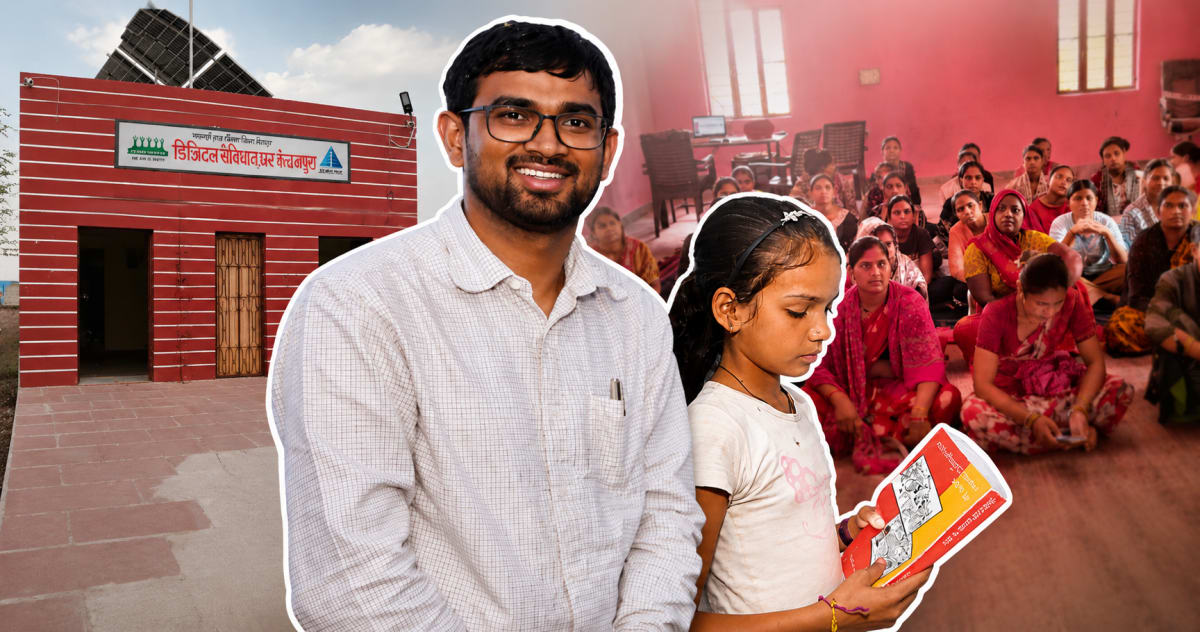
Learning shouldn't stop at the school gate, Jain believes. Rural students preparing for competitive exams often had nowhere quiet to study after class, so she's converting unused government buildings into public libraries across six areas.
Each will offer seating, computers, internet access and calm study space for a small hourly fee. Self-help group women will manage the centers while running adjoining cafes, pairing education infrastructure with income opportunities for local families.
Jain is realistic about timelines. "Education needs consistent effort," she said. "You will be able to see the results after a year or two, maybe more than that."
But for 42,000 children who no longer sit on cold floors, the results are already visible.
More Images
%2Fenglish-betterindia%2Fmedia%2Fmedia_files%2F2026%2F08%2F08%2Fias-officer-2026-08-08-14-13-03.png)
%2Ffilters%3Aformat(webp)%2Fenglish-betterindia%2Fmedia%2Fmedia_files%2F2026%2F08%2F07%2F1-2026-08-07-17-47-11.png)
%2Ffilters%3Aformat(webp)%2Fenglish-betterindia%2Fmedia%2Fmedia_files%2F2026%2F08%2F07%2F2-2026-08-07-17-47-11.png)
Based on reporting by The Better India
This story was written by BrightWire based on verified news reports.
Spread the positivity!
Share this good news with someone who needs it