IBM Creates Wild New Molecule Using Quantum Computing
Scientists at IBM just built something that shouldn't exist in nature: a molecule so weirdly twisted that it makes a Möbius strip look simple. They used quantum computers to prove what they'd created, opening new doors for molecular science.
Scientists just made a molecule that bends reality in ways no one thought possible.
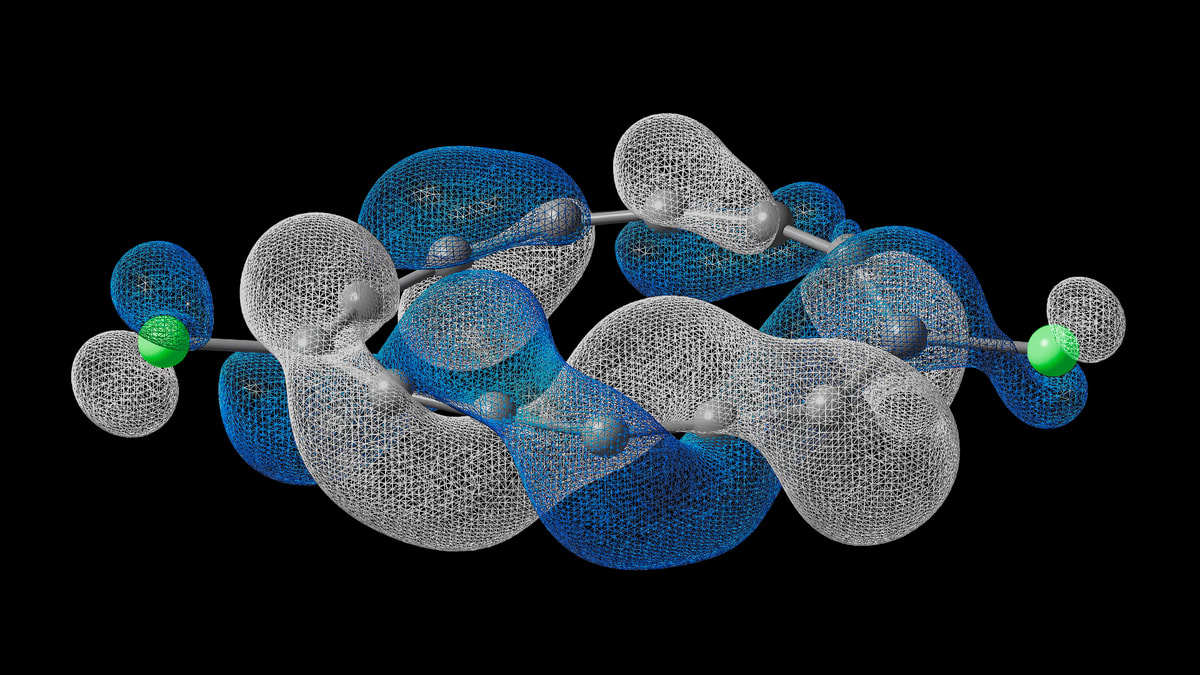
A team at IBM Research has created the first "half-Möbius" molecule, a ring of atoms whose electrons twist through space in mind-bending patterns. The achievement, published in Science, represents a breakthrough in topological chemistry and showcases how quantum computers can help us understand the tiniest building blocks of matter.
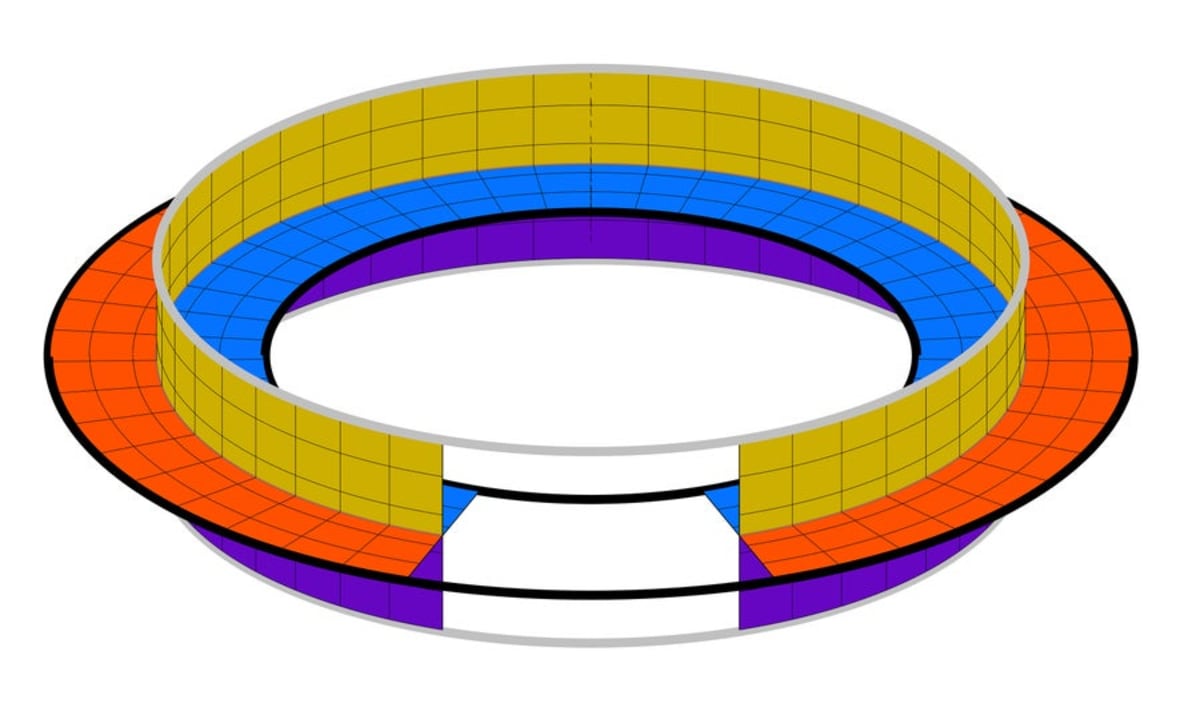
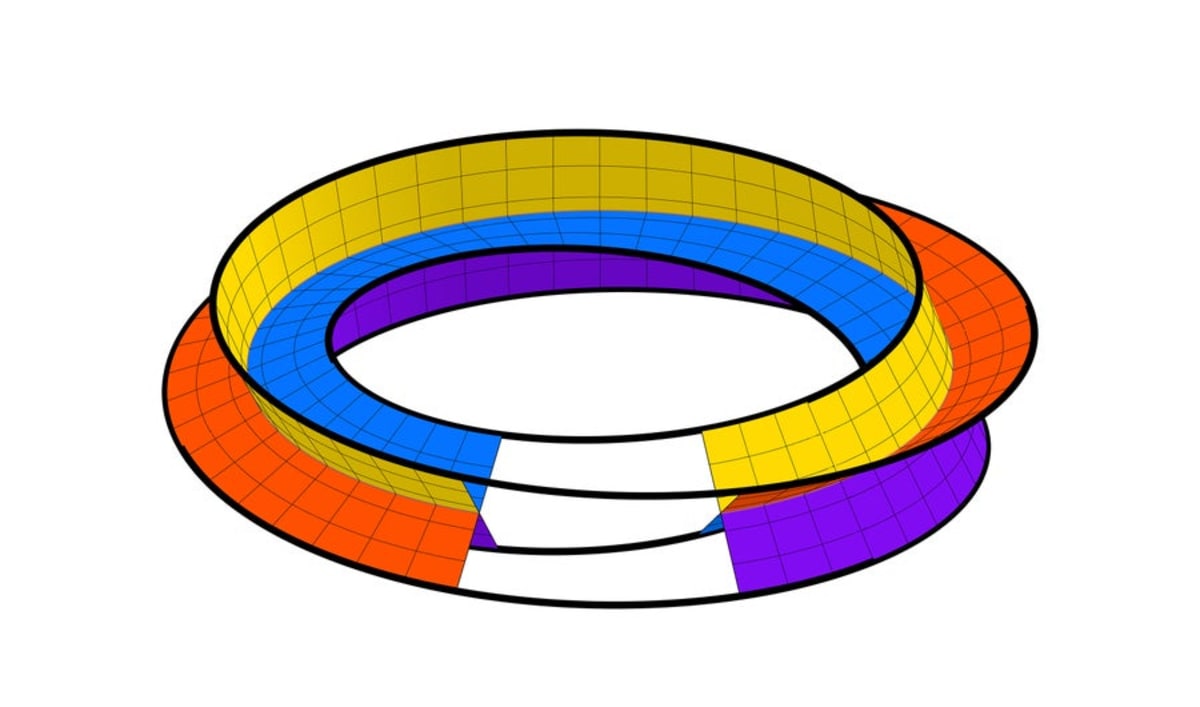
Think of a Möbius strip, that famous twisted loop with just one side. Now imagine something even stranger. In this new molecule, electrons don't just flip upside down as they circle the ring. They rotate 90 degrees at a time, requiring four full trips around to return to their starting point.
The IBM team built this molecular marvel using the same atom-manipulation tools that once created A Boy and His Atom, the world's smallest movie. They started with a complex molecule and carefully broke specific bonds, ripping off certain atoms until they wrestled it into the half-Möbius shape. Then they used high-powered microscopes to capture hazy images of the electron clouds.
Here's where quantum computing saved the day. To prove they'd actually created what they thought, the team used IBM's quantum computer to simulate how electrons would behave in both their twisted molecule and a simpler version. The quantum computer could handle calculations that would overwhelm regular computers, representing multiple quantum states simultaneously using qubits.
The match was clear. What they saw through their microscope matched the quantum simulation perfectly.
"The fact that such a molecule has not only been theoretically proposed but has actually been synthesized will have a major impact on the field of molecular science," says Yasutomo Segawa, a researcher at Japan's Institute for Molecular Science who wasn't involved in the work.
Leo Gross, an IBM team member, admits this "freakish molecule" could only exist in very special laboratory conditions. In nature, it would never be stable enough to form. But that's precisely what makes it exciting for science.
Why This Inspires
This discovery shows how new technologies can work together to push boundaries we didn't know existed. Quantum computers aren't just theoretical toys anymore. They're helping scientists explore realms of physics that were previously impossible to study.
The molecule itself might not show up in your medicine cabinet, but the techniques used to create and study it could unlock entirely new types of materials and drugs. When scientists can manipulate matter at the atomic level and use quantum computers to understand what they've built, the possibilities multiply.
It's also a reminder that some of the most exciting discoveries happen when we're not afraid to get weird. Nobody imagined a half-Möbius molecule until IBM made one real.
The future of chemistry just got a whole lot twistier, and that's something worth celebrating.
More Images

Based on reporting by Scientific American
This story was written by BrightWire based on verified news reports.
Spread the positivity!
Share this good news with someone who needs it