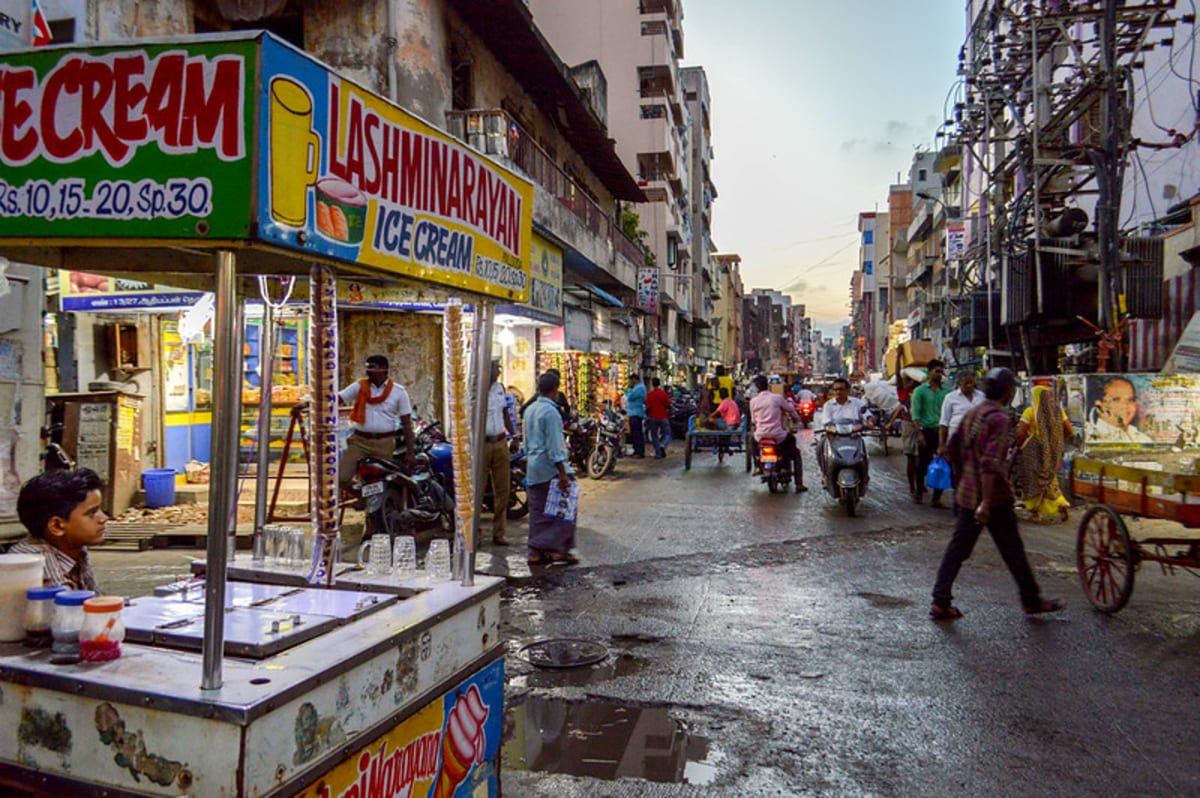
Ice Cream Vendors in India Lift Families Out of Poverty
Street vendors in Chennai, India, have built a three-generation system of microfinance, inherited trade routes, and supplier trust that lifts families out of extreme poverty without banks or formal programs. Their quiet success offers lessons for poverty reduction worldwide.
In Chennai, India, ice cream cart vendors earning less than $5 a day have cracked the code on escaping poverty across three generations without a single government program or bank loan.
The kulfiwallas, as they're called locally, are part of India's 10 million street vendors who contribute a staggering 63% of the country's GDP. These families have survived financial crises, urban redevelopment, and brutal heat waves through a system so effective that formal institutions are still trying to figure it out.
Their secret starts with chit funds, informal lending circles where vendors pool small contributions and take turns accessing larger payouts. When monsoon season slows sales or a cart breaks down, these funds provide instant capital with no paperwork, no credit checks, and no interest charges. The system runs on trust between neighbors and fellow vendors, with social pressure ensuring repayment rates that outperform India's formal microfinance sector, which manages over $5 billion but struggles with rising delinquencies.
The second pillar is inheritance, but not the kind most people imagine. These families pass down trade routes like other families pass down land. A specific street corner or residential lane becomes a family asset, complete with customers who expect to see the same vendor or their children or their grandchildren. This geographic loyalty gives third-generation vendors an instant customer base and automatic protection from competitors who know better than to encroach.
The third piece is decades-old relationships with suppliers. Vendors with 20 or 30 years of perfect payment history receive product now and pay later, a form of informal credit no algorithm could calculate but one that works beautifully. In lean months, this flexibility keeps carts rolling. In good months, it frees up cash for family needs.
The Ripple Effect
This quiet system reveals something powerful about community-based solutions. While India's government passed the Street Vendors Act in 2014 to protect vendors, implementation remains patchy a decade later. Many vendors still face eviction and police harassment. Meanwhile, the infrastructure they built themselves keeps working.
Research shows informal finance still accounts for 31% of rural loans in India because communities trust these systems more than formal alternatives. The vendors' success demonstrates that sometimes the best poverty reduction doesn't come from institutions or programs but from people building trust networks strong enough to weather any storm.
India's street vendors collectively contribute 50% of the country's savings despite earning less than minimum wage. They've created a model of resilience that survives heat waves, economic downturns, and legal uncertainty through pure community strength.
Their story proves that poverty reduction isn't always about what we build for people but about recognizing and protecting what people have already built for themselves.
More Images

Based on reporting by Google: poverty reduction program
This story was written by BrightWire based on verified news reports.
Spread the positivity!
Share this good news with someone who needs it