Iceland Tests Solar Batteries to Power EV Charging Hubs
An Icelandic energy company just proved that solar panels and batteries can keep electric vehicle chargers running smoothly, even during dark winter months. The breakthrough could help EV charging stations work better while reducing stress on local power grids.
Even in a country where winter days barely see sunlight, solar power is proving it can support the electric vehicle revolution.
ON Power, a renewable energy company in Reykjavik, Iceland, just finished testing a new system that combines rooftop solar panels with large batteries and fast EV chargers. The results surprised even the engineers who built it.
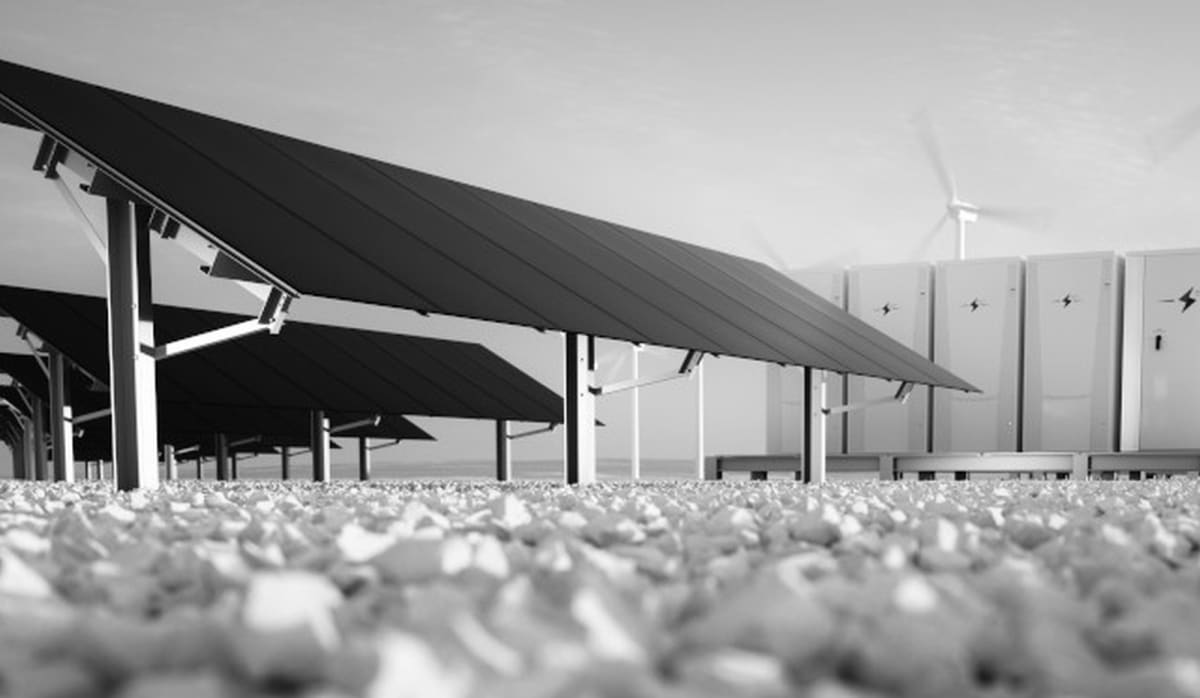
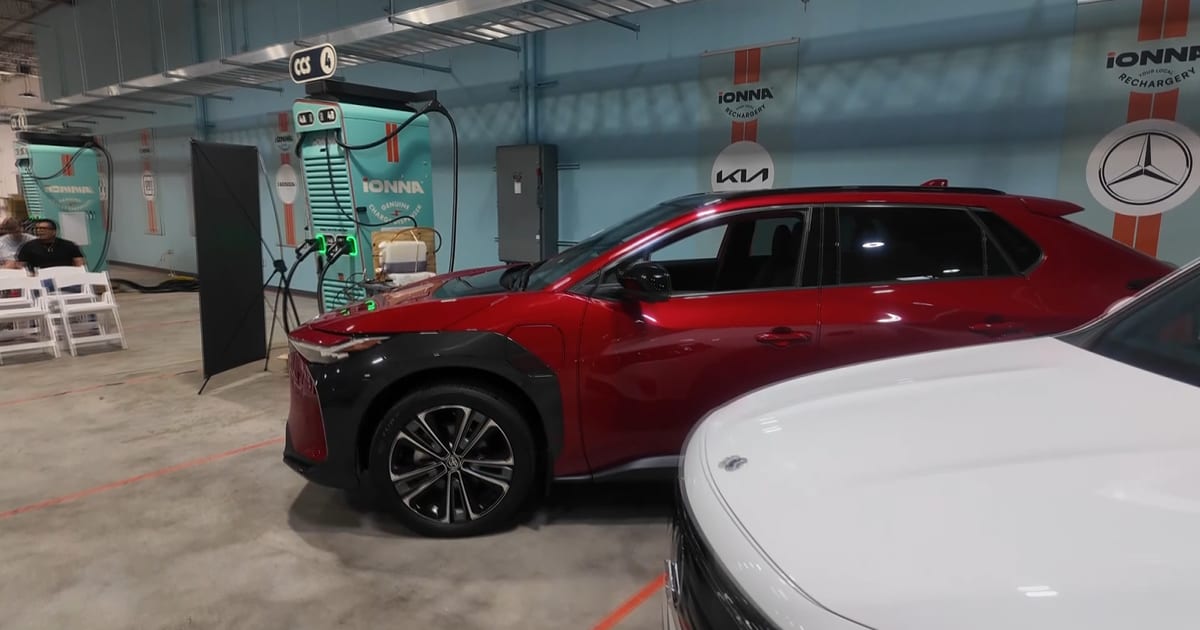
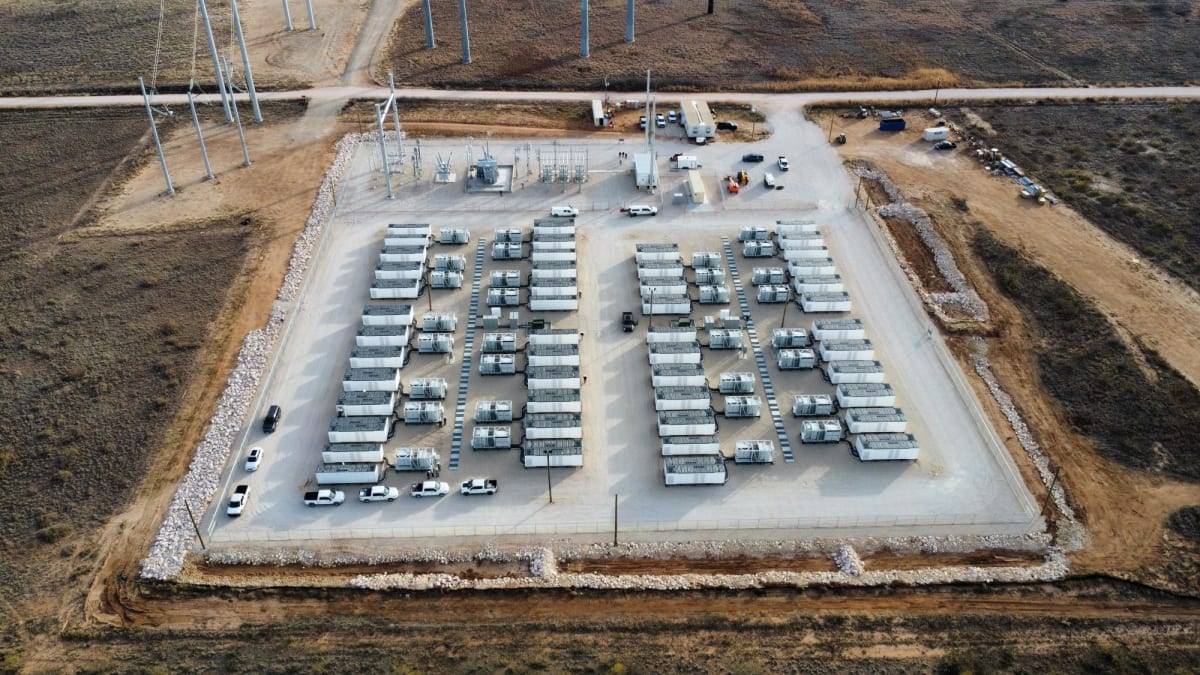
The pilot project, called Peaker Plant, sits at Reykjavik Energy headquarters and uses over 100 kilowatts of solar panels paired with a massive battery system. Three ultra-fast chargers can fill up electric vehicles in minutes while the battery smooths out power demands.
"We are seeing better-than-expected alignment between on-site solar generation and charging demand, even during winter conditions," said Guðjón Hugberg Björnsson, ON Power's chief technology officer. That's remarkable considering Iceland sits just below the Arctic Circle, where winter days offer only a few hours of dim sunlight.
The system works by storing solar energy in batteries when the sun shines, then releasing that power during busy charging times. This prevents sudden spikes in electricity demand that can strain local power grids, especially as more Icelanders switch to electric vehicles.
The project tackles a growing challenge. As EV adoption increases, charging stations create intense bursts of demand on the electrical grid. These peaks can require expensive infrastructure upgrades or cause local bottlenecks that slow down charging speeds.
The Ripple Effect
While Iceland already runs on nearly 100% renewable energy from geothermal and hydropower sources, this project shows how distributed solar and storage can make clean energy systems work even better. The technology helps balance supply and demand right where people need power most.
ON Power isn't treating this as a one-time experiment. The company is already using lessons learned to design similar solar-battery systems at several major EV charging locations across Iceland. Where site conditions allow, they're adding solar generation to transform charging stations into self-sufficient energy hubs.
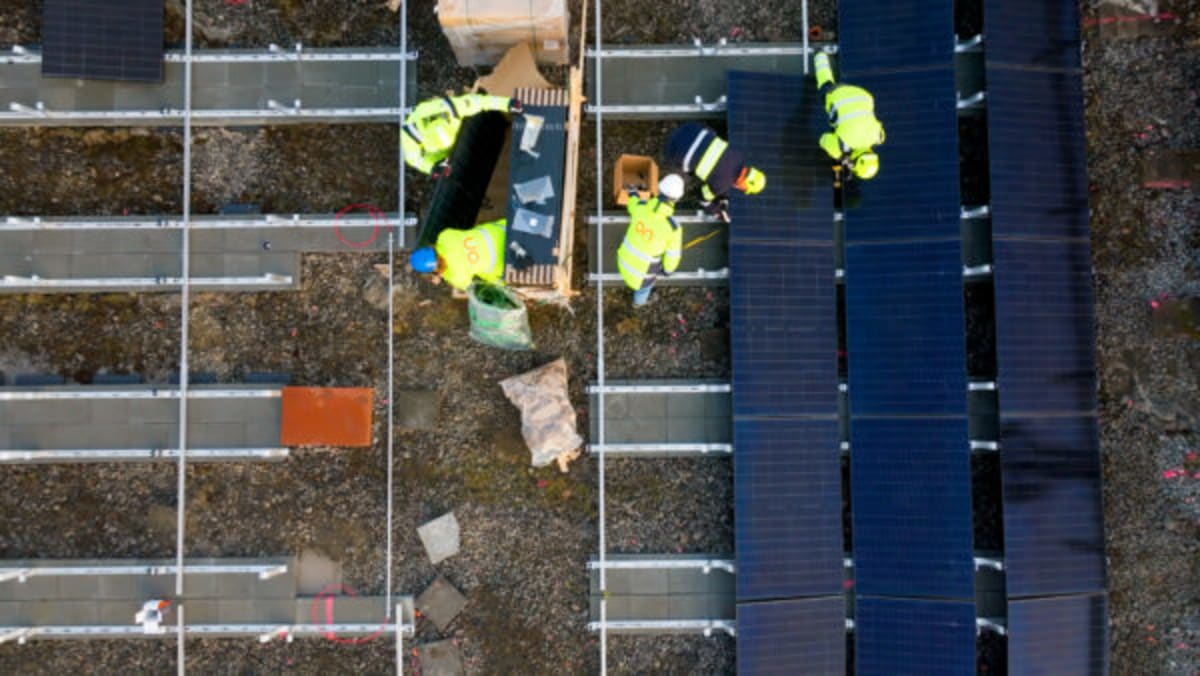
The project did face unexpected hurdles. Because combining solar, batteries, and fast EV charging is still new in Iceland, the team spent months working with authorities on permits and fire safety rules. Once those details were sorted, construction wrapped up quickly in November.
The timing matters beyond Iceland too. Countries worldwide are racing to build charging infrastructure for electric vehicles while keeping power grids stable. This small Arctic nation just proved that even in extreme conditions with limited sunlight, solar-powered charging hubs can work.
For a country with only 7 megawatts of total solar capacity, this 100-kilowatt project represents a meaningful step toward showing what's possible when renewable technologies work together.
More Images

Based on reporting by PV Magazine
This story was written by BrightWire based on verified news reports.
Spread the positivity!
Share this good news with someone who needs it