Iceland Volcanoes Solved 12,800-Year Climate Mystery
Scientists finally cracked a climate puzzle buried in Greenland ice for over 12,000 years, and the answer reveals how powerful Earth's own forces can be. What researchers once thought was evidence of a comet strike turns out to be something closer to home.
Deep in Greenland's ice, scientists found a clue that puzzled them for years: a sudden spike in platinum dating back 12,800 years. Many believed it was proof that a comet or asteroid slammed into Earth, triggering a dramatic cold snap called the Younger Dryas that plunged the planet back toward ice age conditions.
New research reveals the truth is less cosmic but equally fascinating. The platinum came from volcanic eruptions in Iceland, not from space.
The Younger Dryas was one of Earth's most dramatic climate events. Temperatures in Greenland dropped more than 15°C below today's levels in just decades. Forests across Europe turned to tundra, and the sudden shift has mystified climate scientists for generations.
The platinum mystery seemed to support the impact theory at first. But when researchers looked closer, the pieces didn't fit. Space rocks typically contain high levels of iridium alongside platinum, but this signal didn't match that pattern.
The timing told an even more important story. Updated ice core dating showed the platinum spike appeared about 45 years after the cooling began. Whatever caused the Younger Dryas, this platinum signal wasn't the trigger.
Scientists then tested samples from the Laacher See volcano in Germany, which erupted around the same time. The volcanic pumice contained almost no platinum, ruling it out as the source.
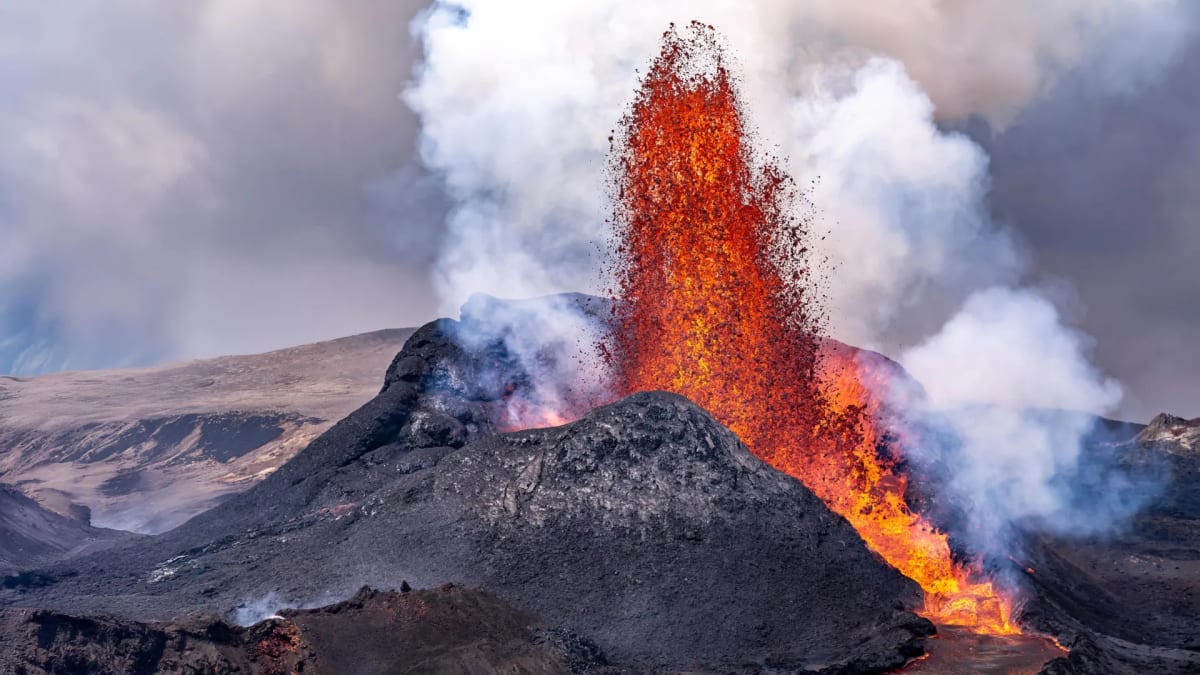
The breakthrough came when researchers examined how Icelandic volcanoes behave. These volcanoes can erupt for years or even decades, creating fissures that spew gases into the atmosphere. The platinum signal lasted about 14 years, perfectly matching this kind of sustained eruption.
When volcanic eruptions happen underwater or under ice, something special occurs. Seawater strips away sulfur compounds but concentrates metals like platinum in the gases. These metal-rich gases can travel thousands of miles through the atmosphere before settling onto ice sheets.
Why This Inspires
This discovery shows how scientists never stop questioning and refining our understanding of Earth's past. By solving this puzzle, researchers are learning how volcanic activity responds to melting ice sheets, knowledge that matters as our climate changes today.
The team found evidence of another volcanic sulfate spike that lines up precisely with when the Younger Dryas began. That earlier eruption likely did help trigger the cooling by reflecting sunlight back into space.
Understanding these ancient climate shifts helps us predict how Earth's systems respond to rapid change. Every mystery solved brings us closer to protecting our planet's future.
More Images

Based on reporting by Science Daily
This story was written by BrightWire based on verified news reports.
Spread the positivity!
Share this good news with someone who needs it