Idaho Cancer Survivors Win Compensation After 60-Year Fight
After decades of advocacy, Idaho residents exposed to 1950s nuclear testing can finally receive $100,000 compensation for radiation-related cancers. The window closes in December 2027.
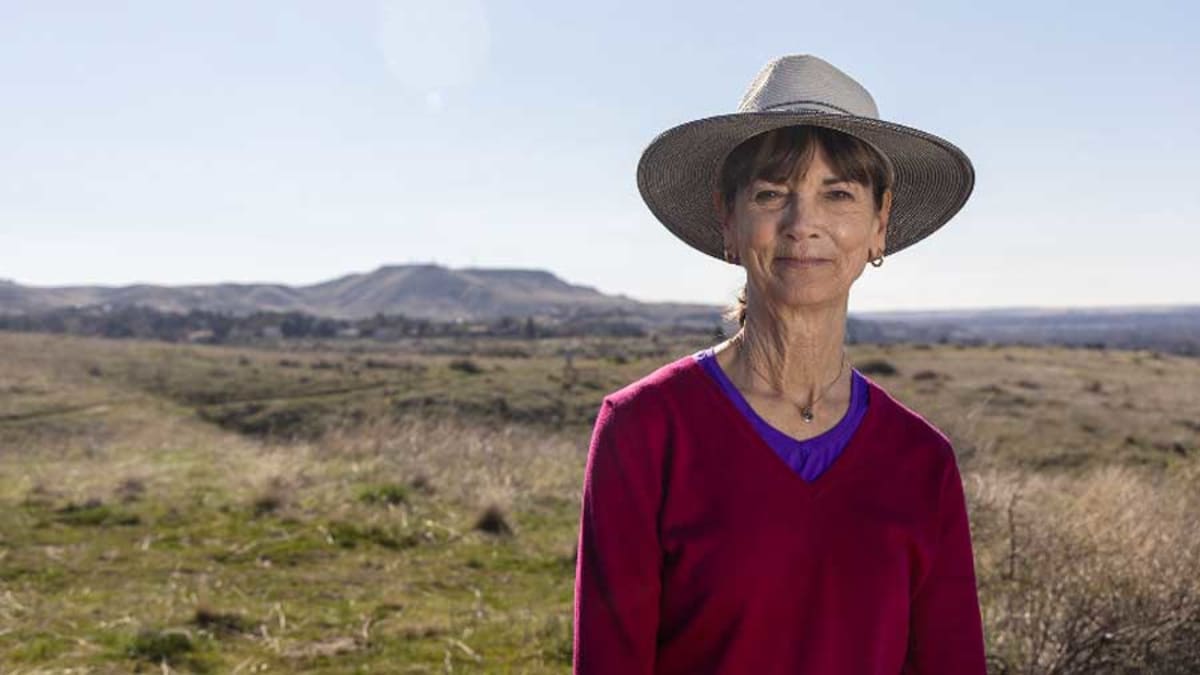
Mary Alice Glen was 37 when breast cancer changed her life, part of a heartbreaking pattern that affected her mother, siblings, and countless neighbors in Boise. For years, she wondered why cancer surrounded her community like an invisible storm.
Last fall, she finally got her answer. Glen and thousands of Idahoans were "Downwinders," people exposed to radiation from 100 atmospheric nuclear weapons tests conducted in Nevada between 1951 and 1962.
The federal government knew the radioactive fallout traveled hundreds of miles, contaminating food and milk supplies across Idaho and neighboring states. Yet for decades, Idaho residents were excluded from compensation offered to victims in other areas.
Tona Henderson from Emmett refused to accept that injustice. Her father's thyroid dissolved, her mother battled breast cancer, and her brother fought three different cancers in eight months.
In 2004, Henderson attended a community rally where she asked people to raise their hands if they knew someone with cancer. Then two hands for two people. Then to stand if they knew more.
Nearly everyone stood with both hands raised. The room fell silent as neighbors realized the staggering scope of what had happened to them.
Henderson promised a dying friend she would never stop fighting. For over 20 years, she worked alongside Senator Mike Crapo and advocates in Utah, New Mexico, and Guam to expand the Radiation Exposure Compensation Act.
The Ripple Effect
This summer, their perseverance paid off. President Trump's legislative package included a provision extending RECA compensation to all Idaho residents affected between 1951 and 1962.
Eligible survivors or their family members can now claim $100,000 through December 2027. The program requires no proof of direct causation, simply qualifying cancer diagnoses and residence during the testing period.
Henderson and Glen are racing to spread the word before time runs out. They know many elderly survivors may not realize they qualify, and others have already passed away without ever receiving acknowledgment of what was done to them.
Glen channeled her anger into action, determined that her government's mistakes wouldn't be buried alongside the victims. She's calling every friend, attending every meeting, sharing every post to reach people who deserve this recognition.
After 60 years of silence and 20 years of advocacy, thousands of Idaho families finally have validation that their suffering mattered and a government willing to make partial amends.
More Images
Based on reporting by Google News - Cancer Survivor
This story was written by BrightWire based on verified news reports.
Spread the positivity!
Share this good news with someone who needs it