Idaho County Moves to Reverse Its Clean Energy Ban
A rural Idaho county that banned solar and wind projects in 2024 is preparing to reverse course, showing how communities can rethink clean energy. The shift could bring hundreds of thousands in tax revenue to struggling rural areas.
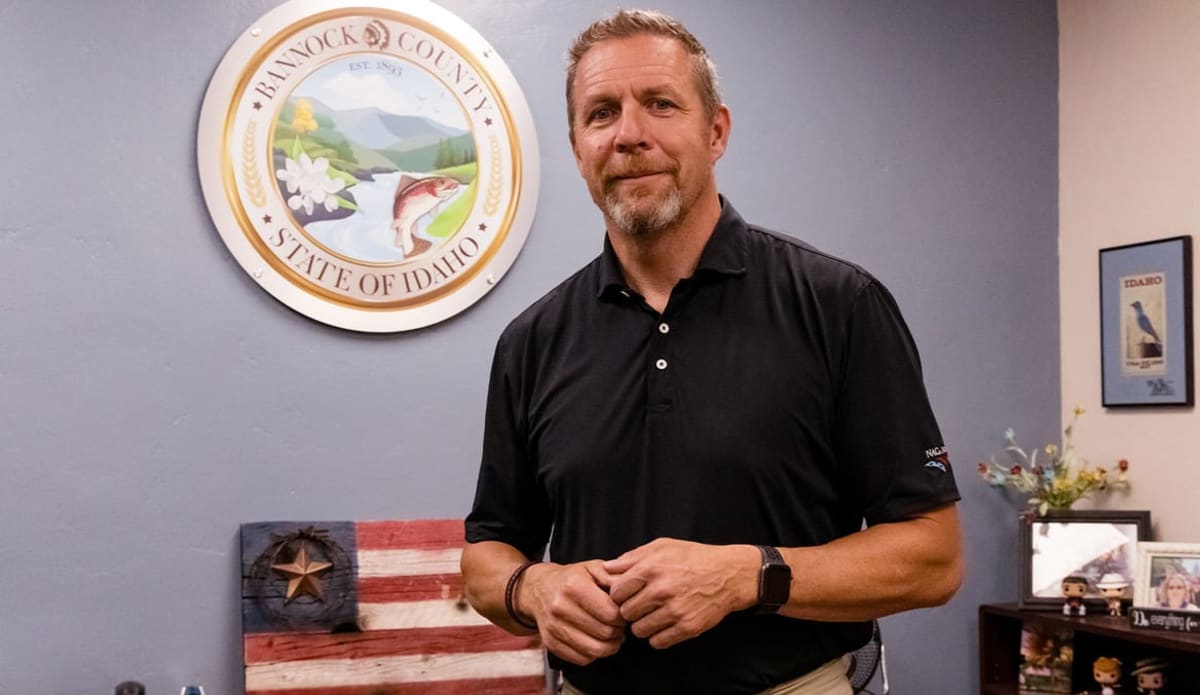
Jeff Hough stood before a packed courthouse and quoted the Declaration of Independence, arguing that banning clean energy violated property rights and American principles. He lost that vote in March 2024, becoming the sole dissenter as Bannock County, Idaho banned utility-scale solar and wind projects.
Now Hough chairs the county commission, and he's leading the charge to undo what he couldn't stop. This fall, commissioners will vote on a new ordinance allowing solar, wind, and nuclear development in the county.
The reversal would buck a troubling national trend. Nearly one in four U.S. counties now has some restriction on clean energy development, up from just 15% in 2023. More than 60% of these bans affect rural communities that often need economic opportunities most.
For Bannock County, the timing matters. Idaho Power expects electricity demand to jump 26% by 2030, and the county sits at a perfect location near the Populus substation, a critical hub for distributing power across four states.
The irony? Hough himself started the moratorium in October 2023. After hearing concerns at a state conference about developers overwhelming communities, he worried Bannock County had no regulations in place. He proposed a six-month pause to create sensible rules, not a permanent ban.
But the temporary moratorium morphed into something he never intended. When the vote came in March 2024, his fellow commissioners chose an outright ban instead.
The Ripple Effect
Neighboring counties show what Bannock is missing. Power County earned $909,000 in tax revenue from clean energy projects in 2024, while Bingham County brought in $639,000. For rural areas watching essential services disappear and family farms struggle with worsening drought, that money could make a real difference.
Bannock County's population has grown far slower than the rest of Idaho's. Hough sees clean energy as a lifeline, a way to tell developers and businesses that rural America is "open for business."
Not everyone agrees. South Bannock County remains divided between landowners who support their neighbors' right to lease property and those who view solar development as selling out. Third-generation farmer Steve Criddle, who backed solar before the ban, describes the current atmosphere simply: "It's confrontational."
But minds are changing, one conversation at a time. The upcoming vote will test whether a community can admit it got something wrong and choose a different path forward.
More Images
Based on reporting by Google News - Clean Energy
This story was written by BrightWire based on verified news reports.
Spread the positivity!
Share this good news with someone who needs it