IIT BHU Finds Compound That Kills Breast Cancer Cells
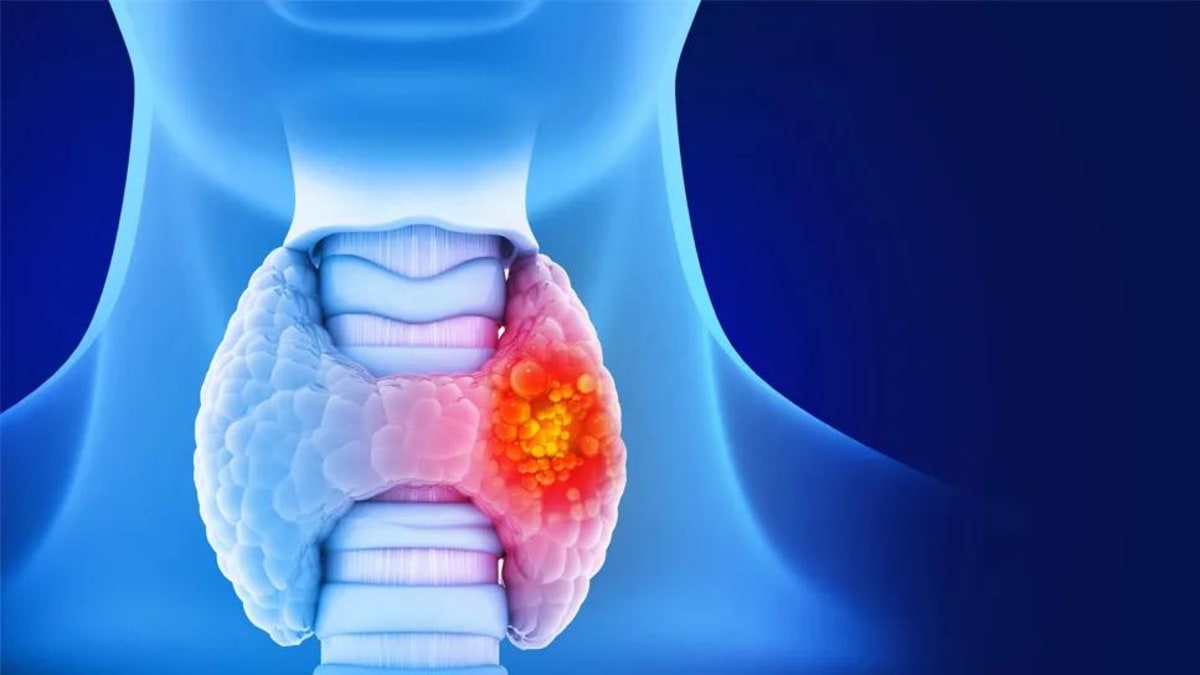
Researchers at IIT BHU discovered a chemical compound that destroys breast cancer cells while leaving healthy tissue untouched, offering hope for treatments without chemotherapy's harsh side effects. The molecule targets two key proteins cancer cells need to survive, essentially starving them and triggering self-destruction.
Scientists in India just moved one step closer to cancer treatment that doesn't make patients suffer along the way.
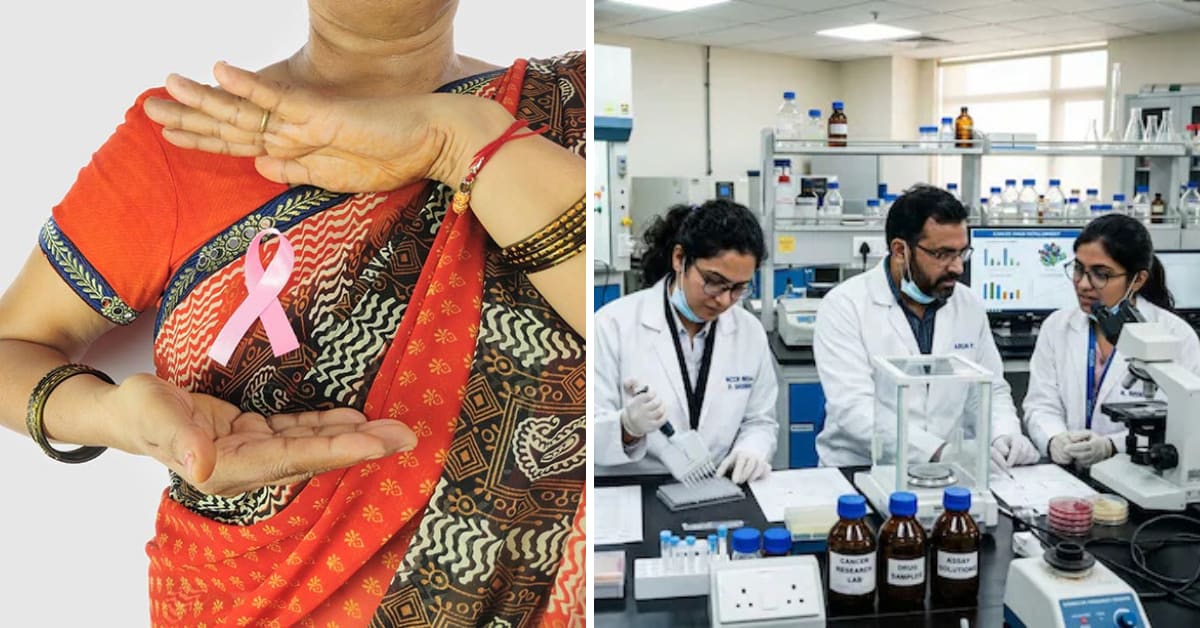
A research team at the Indian Institute of Technology in Varanasi identified a chemical compound that kills breast cancer cells without harming healthy tissue. After screening millions of molecules in a drug discovery database, they found one that works like a smart missile, zeroing in on cancer while leaving everything else alone.
Professor Vikas Kumar Dubey and his team spent 18 months hunting for this compound, catalogued as ZINC-000002107582. Laboratory tests showed it attacks cancer on two fronts at once.
First, it disrupts the bond between two proteins cancer cells rely on to stay alive and multiply. Without these proteins working together, cancer cells can't get the nutrients they need. They starve, stall, and eventually die.
Second, the compound floods cancer cells with reactive oxygen species, creating so much internal stress that the cells activate their own self-destruct sequence. It's like flipping two kill switches simultaneously.
The timing matters. Breast cancer cases in India climbed from 200,218 in 2019 to 221,579 in 2023, with deaths rising from 74,481 to 82,429 during the same period. It remains the most commonly diagnosed cancer among Indian women, and many cases still get caught too late.
Current chemotherapy can't tell the difference between cancerous and healthy cells, which is why it causes hair loss, severe fatigue, nausea, and weakened immunity. Patients often describe the treatment as being nearly as debilitating as the disease itself.
Why This Inspires
This research represents exactly the kind of progress cancer patients have been waiting for. A treatment that fights cancer on its own terms, without collateral damage to the body, could transform what it means to survive this disease.
The findings appeared in Biochemistry, a journal published by the American Chemical Society, and the team filed a patent application. Professor Dubey emphasized that the compound's selectivity could make future treatments both more effective and far less painful for patients.
The path ahead is long. The compound has only been tested on breast cancer cells in laboratory dishes so far. Animal testing comes next, followed by human clinical trials, a process that typically takes years and faces rigorous safety requirements.
But every treatment that eventually saves lives starts exactly here, with researchers identifying a precise molecular target and demonstrating it works in controlled conditions. For a disease claiming over 80,000 Indian lives annually, a compound that attacks cancer cells while sparing healthy ones isn't just scientifically interesting—it's a beacon of real hope for millions of women and their families.
More Images
.png)
%2Fenglish-betterindia%2Fmedia%2Fmedia_files%2F2026%2F06%2F15%2Favantika-featured-image-template-8-2026-06-15-16-34-43.png)


Based on reporting by The Better India
This story was written by BrightWire based on verified news reports.
Spread the positivity!
Share this good news with someone who needs it