IKEA's AI Chatbot Created 100s of Jobs, $1.3B in Revenue
While other companies replace workers with AI, IKEA used its chatbot to free employees for more creative work and generated over a billion dollars in the process. Hundreds of customer service reps became remote interior designers instead of losing their jobs.
IKEA just proved that artificial intelligence doesn't have to mean job losses. The Swedish furniture giant turned hundreds of call center workers into well-paid design consultants and added $1.3 billion to its bottom line in just one year.
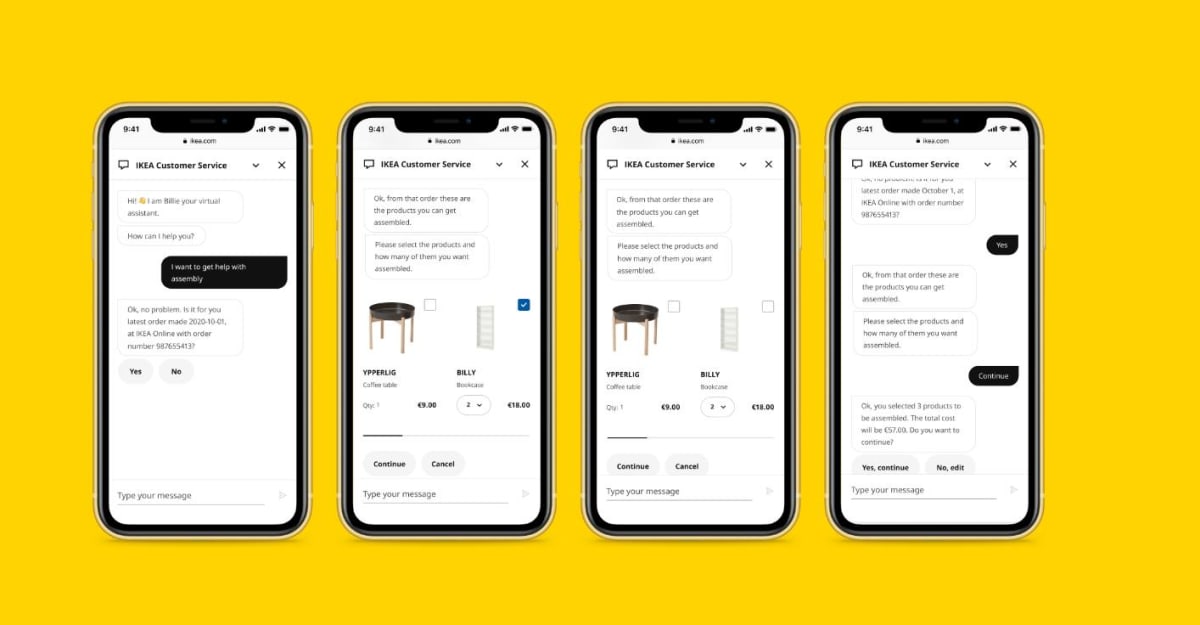
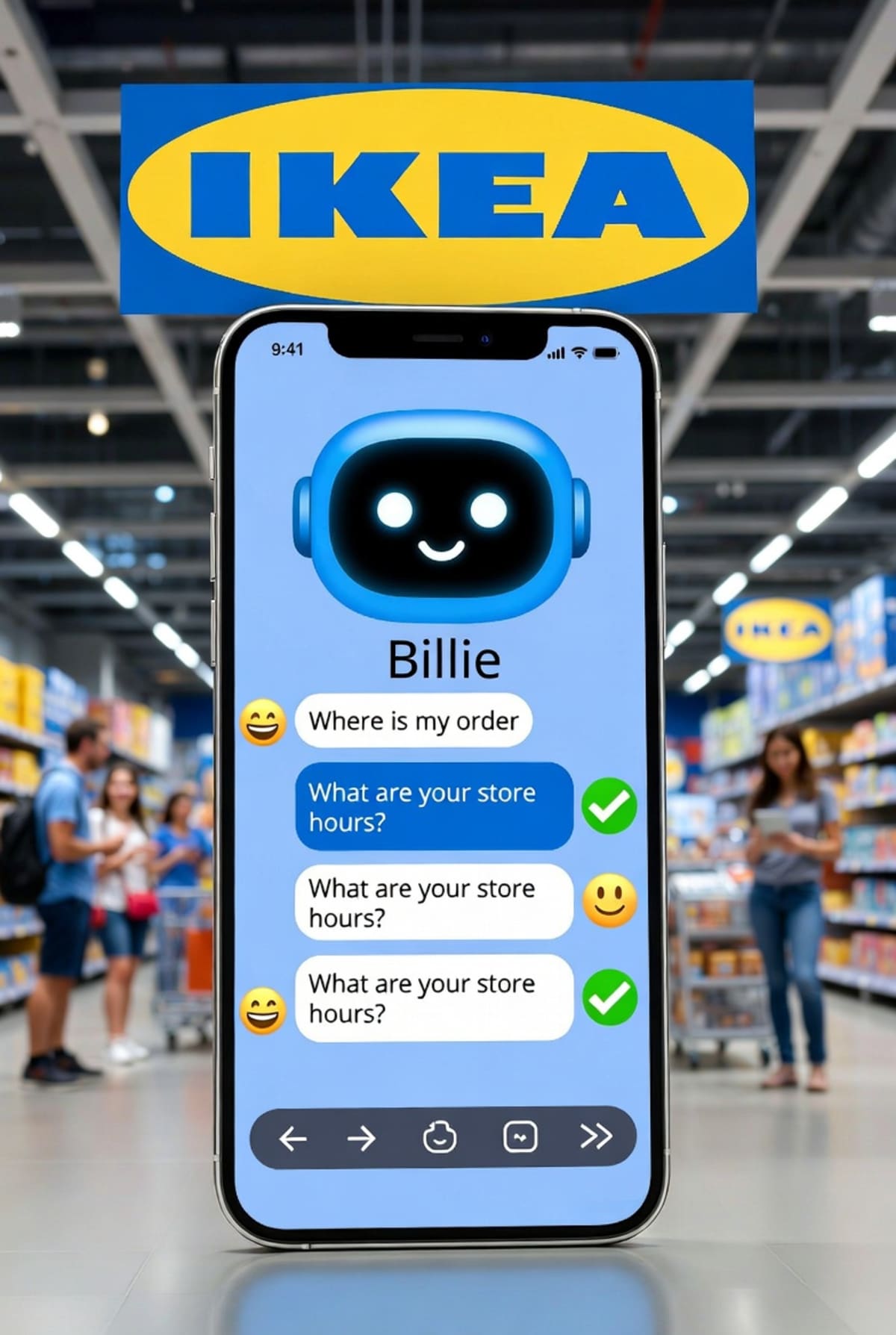
The company's AI assistant, Billie, now handles 57% of customer inquiries. But these aren't the interesting questions. Billie answers the repetitive stuff: store hours, delivery times, and order tracking.
When IKEA tested Billie with deeper questions, the AI failed spectacularly. Customers asking "How do I make my tiny apartment feel cozy?" or "Can you help design a living room that feels like me?" got robotic product suggestions instead of real help.
Most companies would have pushed their AI harder. IKEA did something radically different.
The furniture maker retrained the very employees whose routine work Billie had automated. Hundreds of former customer service specialists became remote interior design consultants. Now they offer paid video sessions where real humans listen, ask questions, and co-create room designs using IKEA's catalog.
Customers book 30 or 60-minute consultations focused on personal style and emotional connection. A real person helps them imagine their future kitchen or bedroom with soul, not just software.
The financial results surprised even IKEA. The new remote design service generated approximately $1.3 billion in additional revenue during its first full year. Customers who worked with human designers were significantly more likely to make larger purchases because they felt confident and emotionally invested.
The Ripple Effect
IKEA's approach offers a blueprint for the AI age. The chatbot handles boring, repetitive tasks while humans do work requiring creativity, empathy, and emotional intelligence.
Employees aren't being automated out of existence. They're being upgraded into higher-value, more fulfilling roles that pay better and feel more meaningful.
While many retailers turn customer service into algorithm-driven chat windows, IKEA doubled down on humanity. The company's famous tagline promises "to create a better everyday life for the many people," and that now includes its own workforce.
The strategy proves that AI works best as a tireless assistant, not a replacement. When a living expert helps you envision your space, you don't just buy a sofa. You invest in a vision of home.
In an industry racing to cut costs through automation, IKEA chose a different path: happier customers, more creative employees, and a very healthy billion-dollar boost to prove the human touch still wins.
More Images

Based on reporting by Google News - Jobs Created
This story was written by BrightWire based on verified news reports.
Spread the positivity!
Share this good news with someone who needs it