Illinois Leads Nation With Bold Data Center Climate Bill
Illinois just introduced groundbreaking legislation to make tech companies—not residents—pay for the explosive growth of power-hungry data centers while protecting the environment. The POWER Act could become a national model for balancing technology expansion with climate goals.
Illinois lawmakers are taking on Big Tech with a pioneering bill that puts people and the planet before profits, and other states are watching closely.
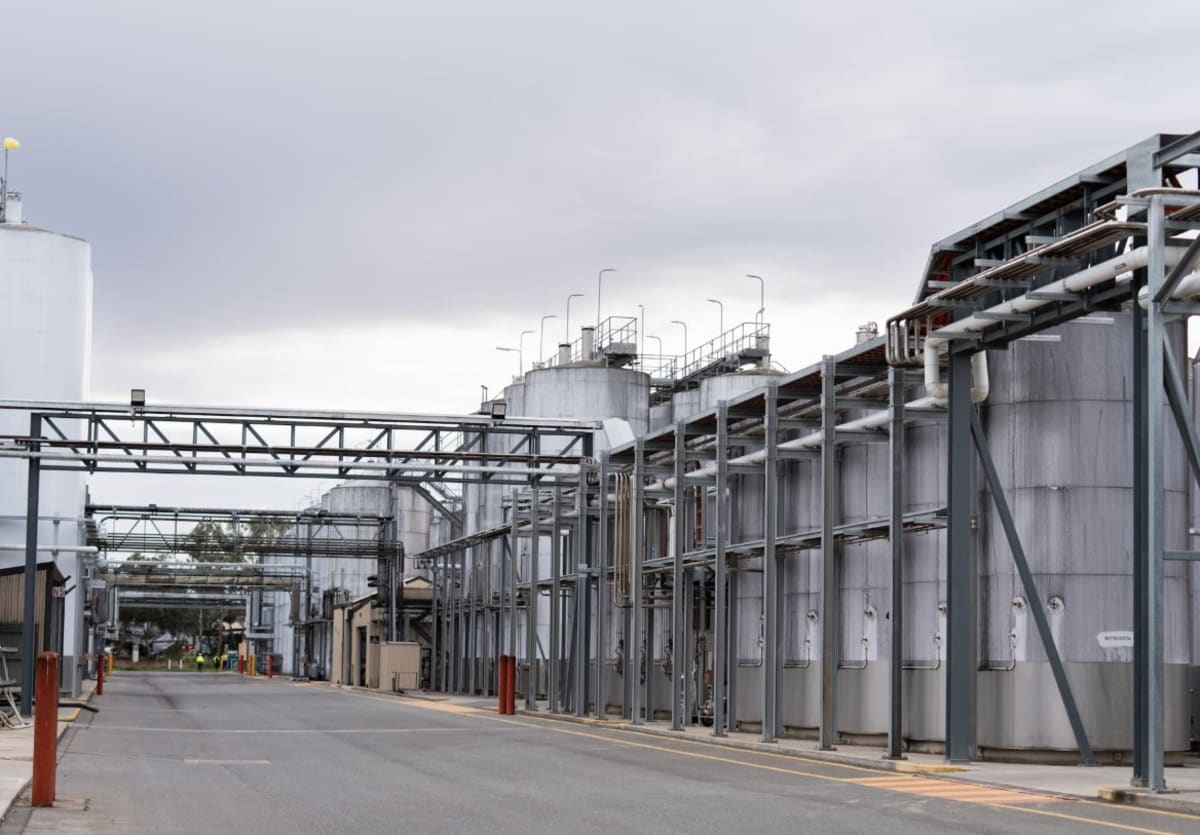
The POWER Act, introduced this month, targets the rapid spread of massive data centers that power everything from social media to artificial intelligence. These sprawling facilities are driving up electric bills for everyday residents while guzzling enough water and energy to threaten Illinois' ambitious climate commitments.
The numbers tell a stark story. By 2030, data centers could account for 72 percent of Illinois' electricity growth, according to the Union of Concerned Scientists. Nationwide, these facilities may soon consume as much water as 10 million Americans and produce carbon emissions matching 10 million cars.
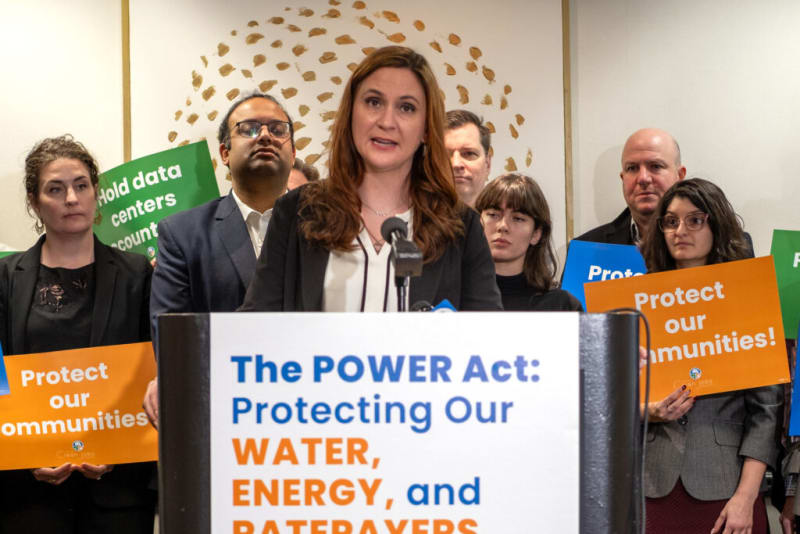
Democratic State Senator Ram Villivalam championed the legislation alongside environmental groups who gathered in downtown Chicago last week to rally support. The bill shifts energy costs from consumers to tech companies, requires clean energy plans for grid access, limits water use, and protects communities from pollution.
The legislation specifically targets hyperscale data centers with peak energy demand exceeding 50 megawatts. Companies would need to create new renewable energy and battery storage to meet their needs, rather than straining the existing grid that serves homes and businesses.
Illinois already faces rising energy costs and potential shortfalls this decade. Without action, data center growth could increase electricity system costs by 15 to 24 percent by 2050 and drive billions in health costs from increased fossil fuel use.
The industry pushback came quickly. Brad Tietz of the Data Center Coalition called the bill a "giant maze of regulatory complexities" that could close the Illinois market entirely. But supporters argue that reasonable guardrails protect everyone's future.
The Ripple Effect
What happens in Illinois could reshape how America handles the collision between technological progress and environmental responsibility. From New York to Georgia, states are watching this legislative experiment as they craft their own responses to data center expansion.
The bill offers a roadmap for keeping innovation alive while ensuring communities don't shoulder the burden. Fast-track grid connections await companies that secure clean energy by specific deadlines, proving environmental protection and business growth can coexist.
Illinois committed to 100 percent clean energy by 2050, with binding 2030 targets for renewables and electric vehicles. The POWER Act keeps those promises within reach while welcoming the technology industry on terms that work for everyone.
Communities nationwide fighting unwanted data centers in their backyards now have a potential blueprint for fair development that protects residents, ratepayers, and the climate we all share.
Based on reporting by Inside Climate News
This story was written by BrightWire based on verified news reports.
Spread the positivity!
Share this good news with someone who needs it