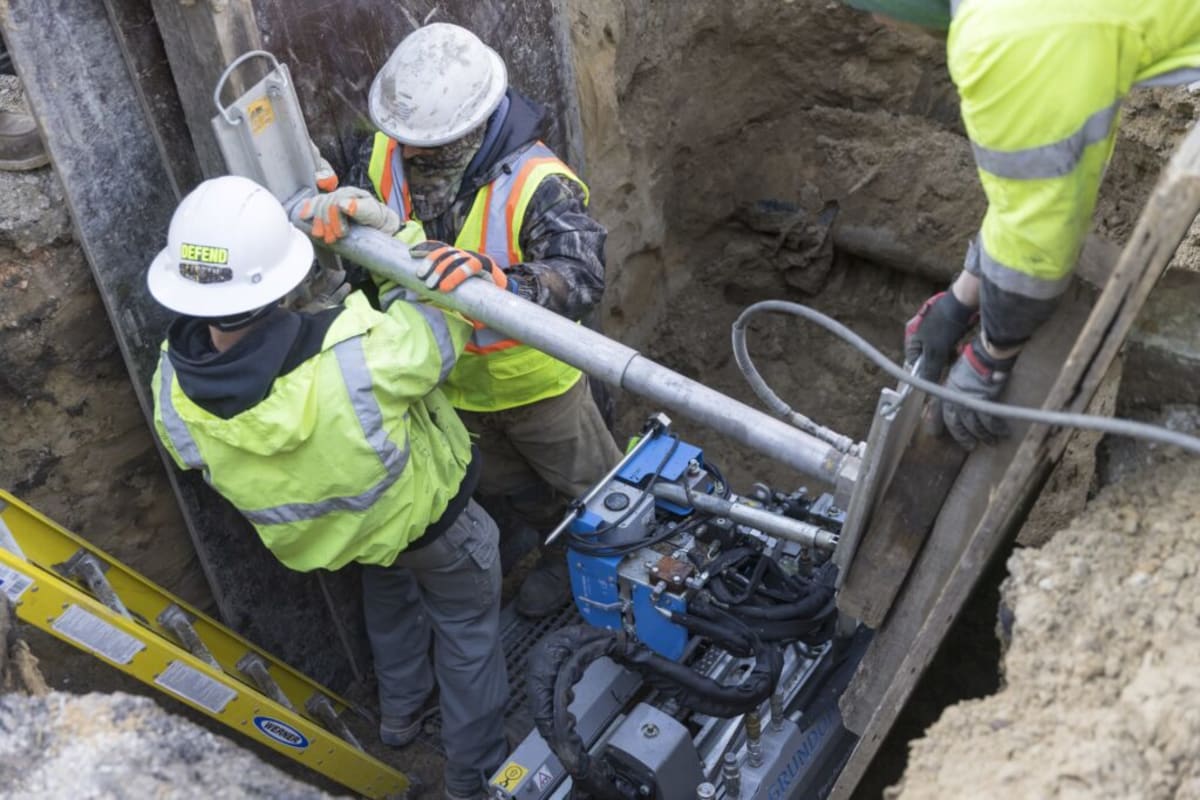
Illinois Plan: Replace Lead Pipes, Create 90,000 Jobs
Illinois is turning a public health crisis into opportunity. A new plan aims to replace 1.5 million toxic lead pipes while creating 90,000 jobs over the next decade.
Illinois has more lead pipes than any state in America, and now advocates see a chance to fix that while building an economic engine for workers.
Nearly 1.5 million water pipes across Illinois contain or likely contain lead, a toxic metal that damages brains, hearts, and reproductive systems. Chicago alone accounts for 30 percent of these dangerous lines, delivering water through outdated infrastructure to homes and businesses every day.
Public health and workforce groups just released a plan that tackles both problems at once. By fast-tracking pipe replacements in communities hit hardest by lead exposure, Illinois could create up to 90,000 jobs over ten years while protecting families from a serious health threat.
The numbers are staggering. Replacing a single pipe costs between $4,000 and $13,000 statewide, or more than $30,000 in Chicago. Fixing all known and suspected lead lines could run between $6 and $10 billion.
Federal infrastructure funding will provide about $1 billion to Illinois, but that leaves a multi-billion-dollar gap. The new report urges state lawmakers to approve dedicated, long-term funding to close that shortfall and keep replacements moving forward efficiently.
Justin Williams from the Metropolitan Planning Council helped develop the plan. "The longer we put off taking care of our water infrastructure, the more expensive it's going to get," he said. Delaying means higher water bills and more people without access to safe drinking water.
The plan prioritizes building a diverse local workforce, turning an infrastructure crisis into job training and economic opportunity. Workers would gain skills in plumbing, construction, and water system management while protecting their own communities.
The Ripple Effect
This isn't just about Illinois. The Great Lakes region holds nearly half of all lead pipes in America, making solutions here a blueprint for other states facing similar challenges.
Every pipe replaced means cleaner water for a family, safer development for children, and healthier hearts for adults. When workers from affected communities lead that replacement work, the benefits multiply through job creation, skill building, and local economic growth.
The plan shows how infrastructure investment can solve multiple problems simultaneously. Safe water becomes both a public health victory and an economic development tool.
With sustained funding and community-focused hiring, Illinois could transform its lead pipe crisis from a burden into a decade of meaningful work and lasting protection for millions of residents.
Based on reporting by Inside Climate News
This story was written by BrightWire based on verified news reports.
Spread the positivity!
Share this good news with someone who needs it