Illinois Puts 44MW of Solar on Storage Unit Rooftops
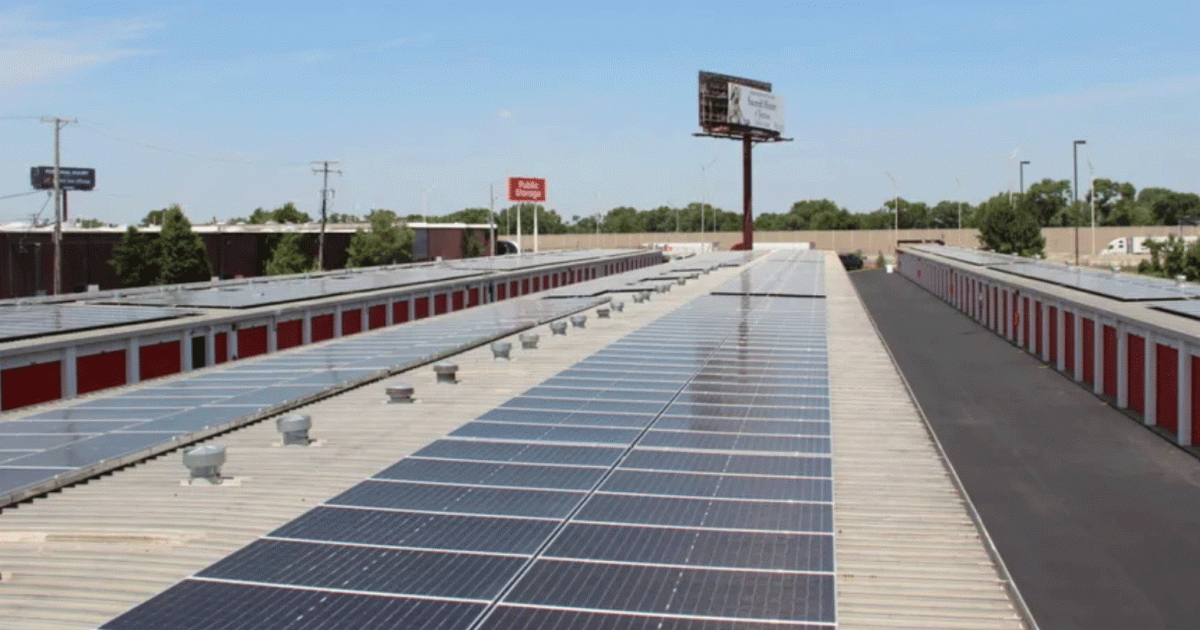
Storage facilities across Illinois are transforming their unused rooftops into community solar farms that will save residents $36 million while creating 300 jobs. It's a simple solution hiding in plain sight: millions of square feet of empty roof space generating clean energy for people who can't install their own panels.
Thousands of self-storage rooftops have been sitting empty across America, soaking up sun but doing nothing with it. Illinois just figured out how to turn that wasted space into clean energy and serious savings for everyday people.
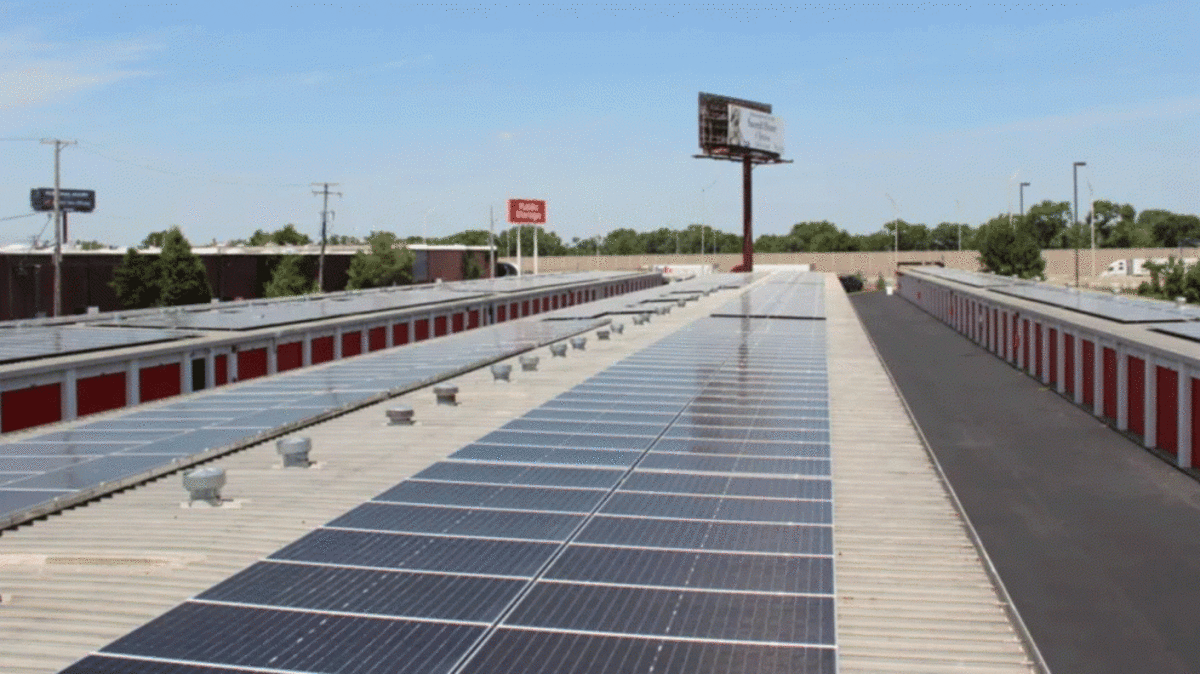
Public Storage is covering 5 million square feet of its Illinois rooftops with solar panels through a partnership with Solar Landscape. The first array went live in March in Justice, a Chicago suburb, and 60 total projects are planned statewide.
These aren't just panels for the storage company. They're community solar projects, meaning anyone can subscribe and get credits on their energy bill without installing anything on their own home.
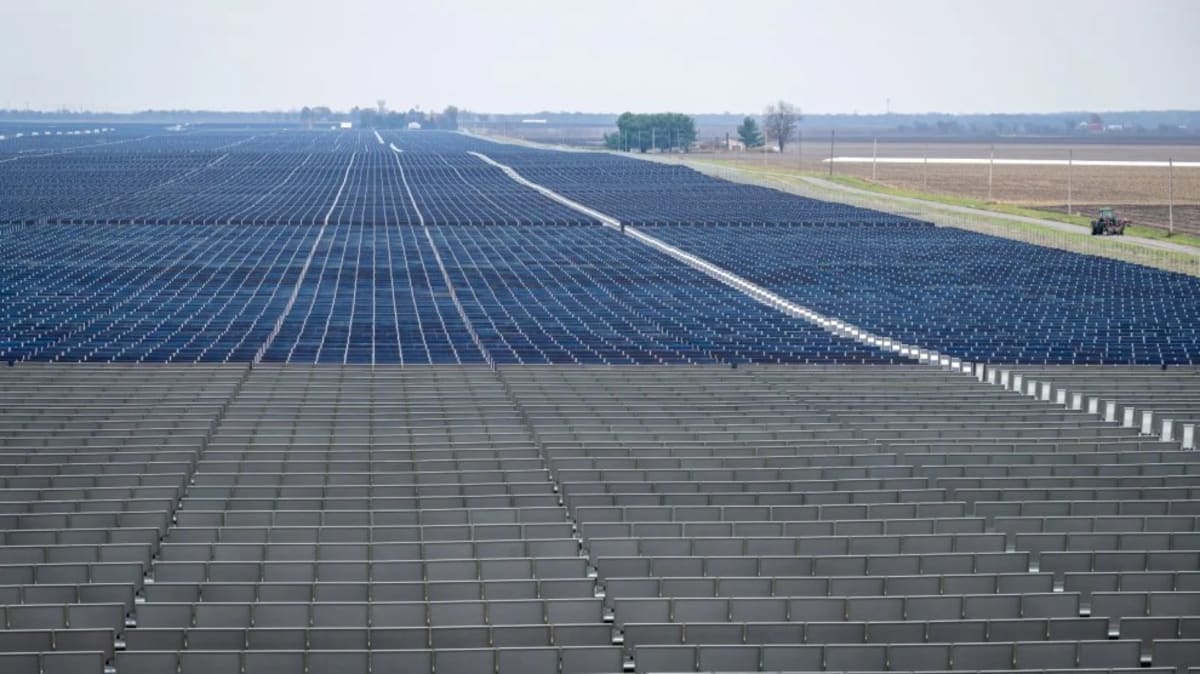
The math is impressive. Once complete, the 60 rooftop arrays will generate 44 megawatts of solar power and deliver $36 million in total savings to Illinois residents. The construction phase alone will create 300 jobs.
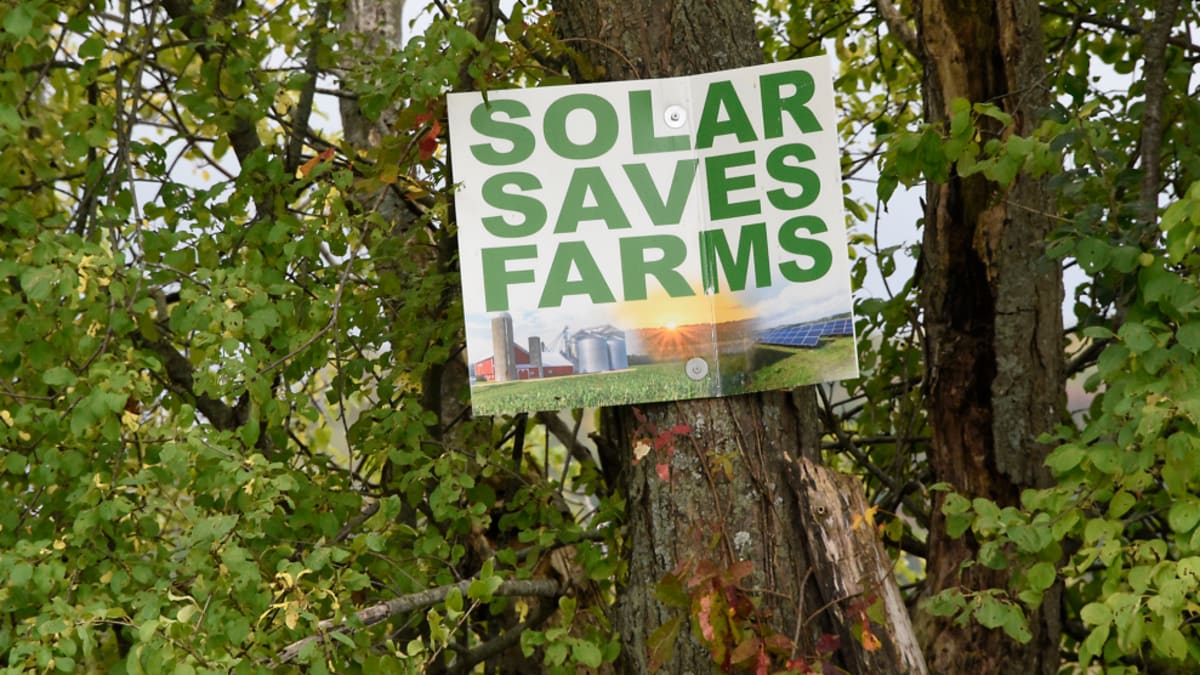
Mayor Krzysztof Wasowicz of Justice initially had concerns about solar energy. But rooftop community solar changed his mind completely because it doesn't take up farmland and puts unused space to work.
The beauty of this approach is its simplicity. Commercial rooftops across America could host enough solar panels to generate 581 gigawatts of power, nearly matching the entire country's energy demand, according to federal data analyzed by Lumen Energy.
Illinois made this possible through smart policy. The state's 2016 clean energy law created incentives for community solar projects, and a 2024 law expanded the program to allow even larger arrays up to 10 megawatts.
ComEd, the utility serving northern Illinois, expects to have over 400 community solar arrays running by year's end. About 100 of those will be on rooftops, concentrated in the Chicago area.
The setup works for everyone involved. Solar developers own and maintain the arrays, subscribers save money on their bills, property owners collect lease payments, and utilities get credit toward renewable energy goals.
Illinois specifically prioritized projects that serve local households and small businesses rather than big corporate subscribers. The state's Community-Driven Community Solar program awards extra points to projects in low-income areas and those that hire locally.
The Ripple Effect
This rooftop revolution solves multiple problems at once. Families save money on electricity bills without needing to own homes or afford upfront solar costs. Communities get clean energy without sacrificing farmland or green space. Construction workers get jobs installing panels on buildings that already exist.
The model is spreading fast because it's so straightforward. Major storage, logistics, and retail companies have millions of square feet of roof space sitting idle across the country, and developers can replicate successful projects quickly once they partner with large chains.
ComEd's Melissa Washington called it "an elegant solution" that checks every critical box: powering homes and businesses, keeping electricity affordable, and fighting climate change. After violent storms knocked out power across the region in July, that third priority felt especially urgent.
Illinois now has more community solar capacity than even California, proving that smart incentives can unlock solutions that were waiting overhead all along.
More Images
Based on reporting by Google News - Clean Energy
This story was written by BrightWire based on verified news reports.
Spread the positivity!
Share this good news with someone who needs it