Illinois Unveils Net-Zero Wildlife Hospital Saving 11K Animals
A new wildlife conservation center in Glen Ellyn, Illinois is treating over 11,000 injured animals each year while producing as much clean energy as it uses. The 27,000-square-foot facility combines cutting-edge animal care with sustainable design that could inspire future wildlife centers nationwide.
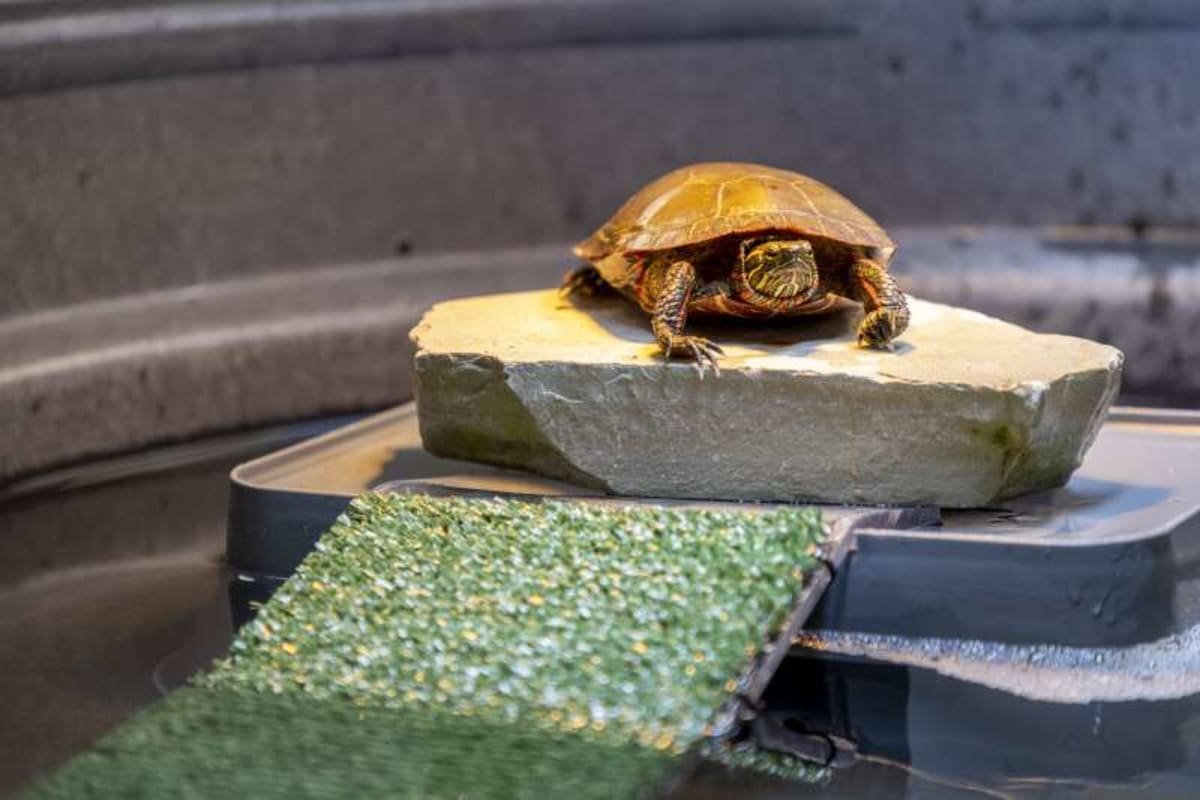
Sick turtles, orphaned raccoons, and injured birds now have a state-of-the-art second chance at life in a building that's also healing the planet.
The Forest Preserve District of DuPage County opened its new Wildlife Conservation Center in Glen Ellyn, Illinois on April 30, celebrating over 70 years of wildlife care with a facility built for the future. The 27,000-square-foot center treats more than 11,000 sick, injured, and orphaned native animals every year while generating as much energy as it consumes through solar panels and geothermal systems.
This marks DuPage County's first net-zero-designed building. The design means the center's renewable energy systems produce enough power to match everything the facility uses, creating zero net energy consumption from traditional power grids.
The new hospital fixes a critical problem that stressed recovering animals. Predators and prey now have physically separated spaces during treatment and recovery, reducing anxiety and improving healing outcomes for species that would naturally avoid each other in the wild.
Visitors can now watch the magic happen through strategically placed viewing windows. Families can observe veterinary staff examining patients, performing surgeries, feeding baby animals, and guiding wildlife through rehabilitation without disturbing the healing process.
The layout helps both animals and humans. Staff move more efficiently through the redesigned space, cutting down time between examining a red-tailed hawk in one wing and feeding orphaned squirrels in another, while educational exhibits teach tens of thousands of annual visitors how to coexist peacefully with wildlife neighbors.
The Ripple Effect
This center proves that protecting wildlife and fighting climate change aren't separate missions. Forest Preserve District President Daniel Hebreard noted that climate change already affects local communities and natural areas, making sustainable facilities like this one essential demonstrations of responsible environmental stewardship.
The building continues a legacy that started over seven decades ago when early wildlife care efforts at Willowbrook Forest Preserve launched what became a nationally recognized rehabilitation program. Now that program has a home designed to serve animals and the environment for generations to come.
Wildlife rehabilitation centers nationwide often struggle with outdated facilities and rising energy costs. This net-zero model offers a roadmap for other conservation programs looking to expand animal care capacity while shrinking their carbon footprint.
The center welcomes 5.9 million visitors annually across DuPage County's 60 forest preserves, turning every animal rescue into a teaching moment about wildlife protection and sustainable living.
More Images



Based on reporting by Google News - Wildlife Recovery
This story was written by BrightWire based on verified news reports.
Spread the positivity!
Share this good news with someone who needs it