IMF Rethinks Loans After Forest Loss Link Found
New research shows countries lose 9% more forests during IMF loan programs, but the fund is now reviewing its lending approach. This could reshape how global finance protects nature while helping struggling economies.
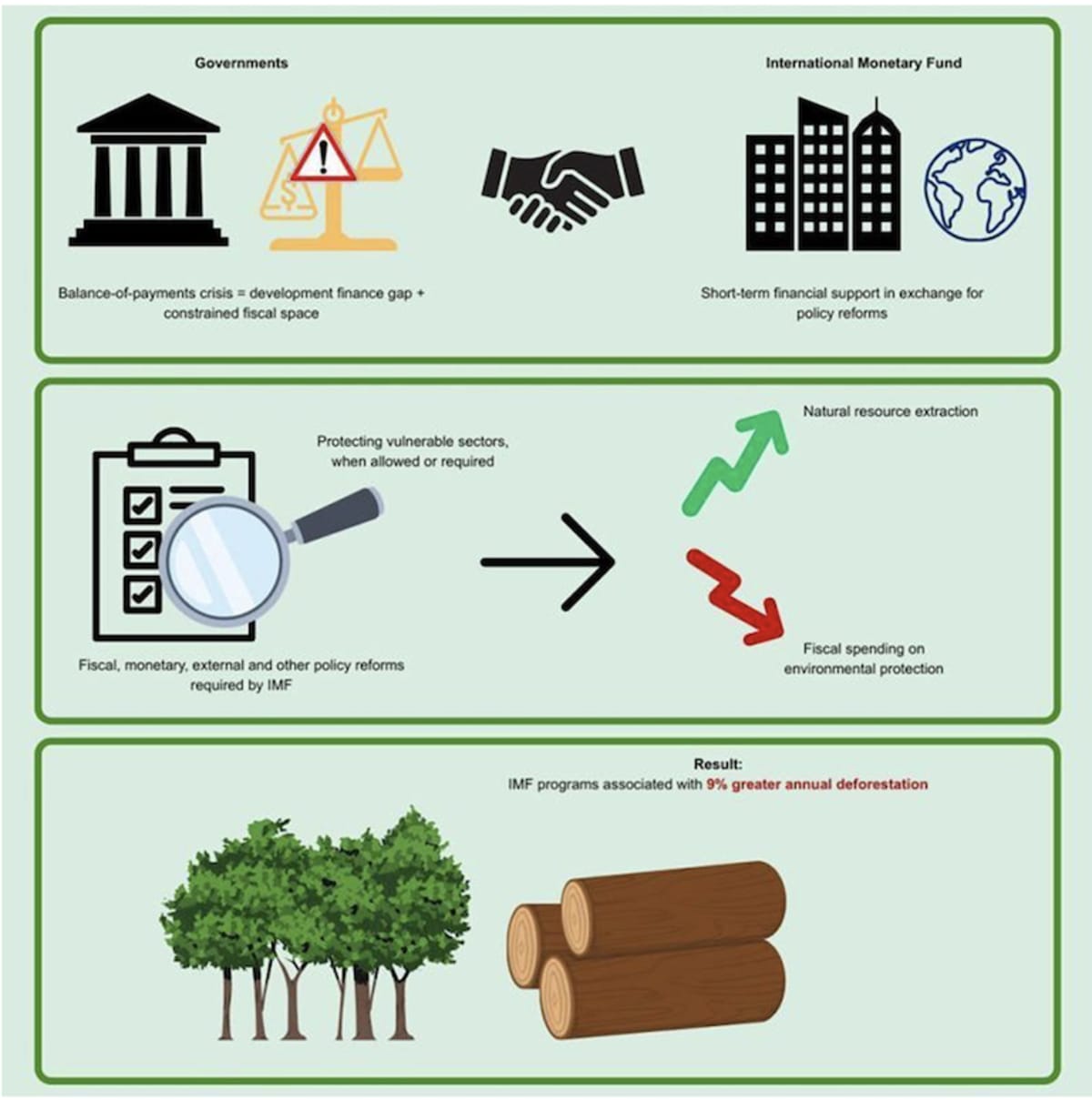
The International Monetary Fund is getting a wake-up call that could change how the world's financial safety net protects forests. New research reveals that countries lose 9.2% more tree cover each year when they're under IMF loan programs, but the timing couldn't be better for change.
The IMF is currently rethinking how it designs lending programs to countries in financial trouble. This review offers a rare opportunity to build environmental protection into the world's most powerful economic assistance framework.
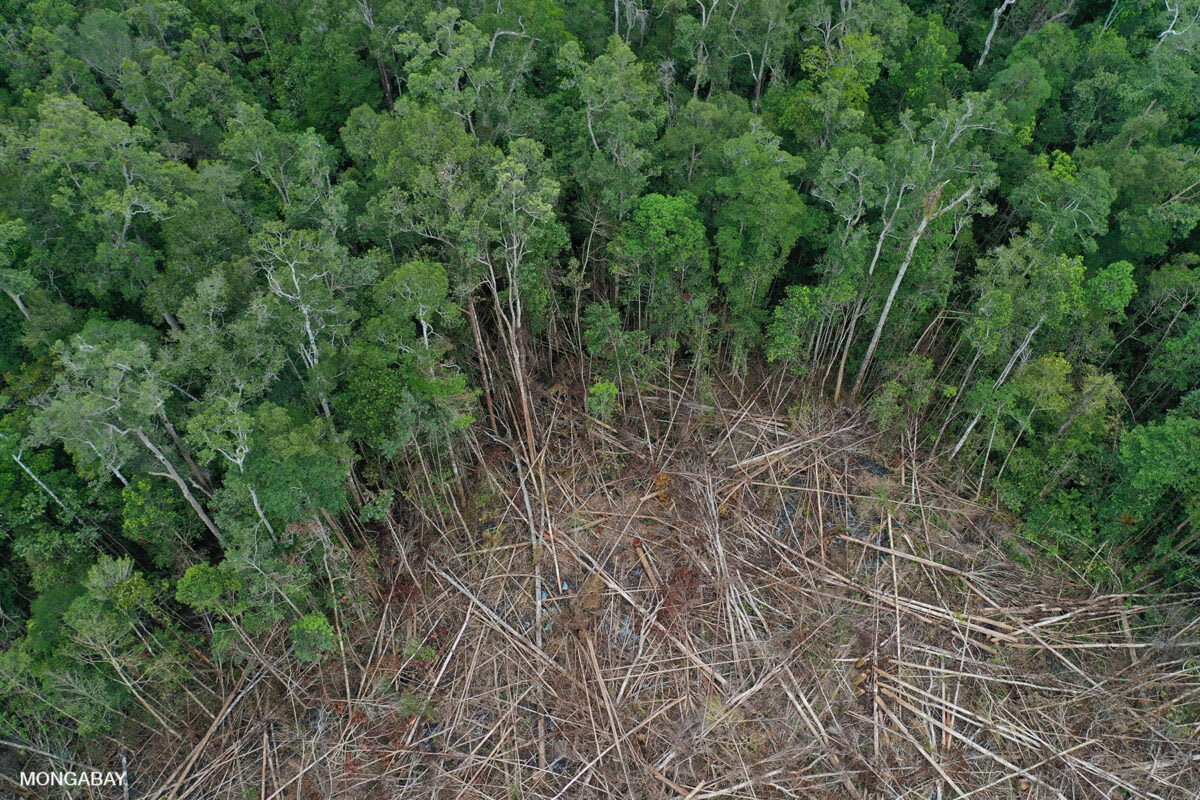
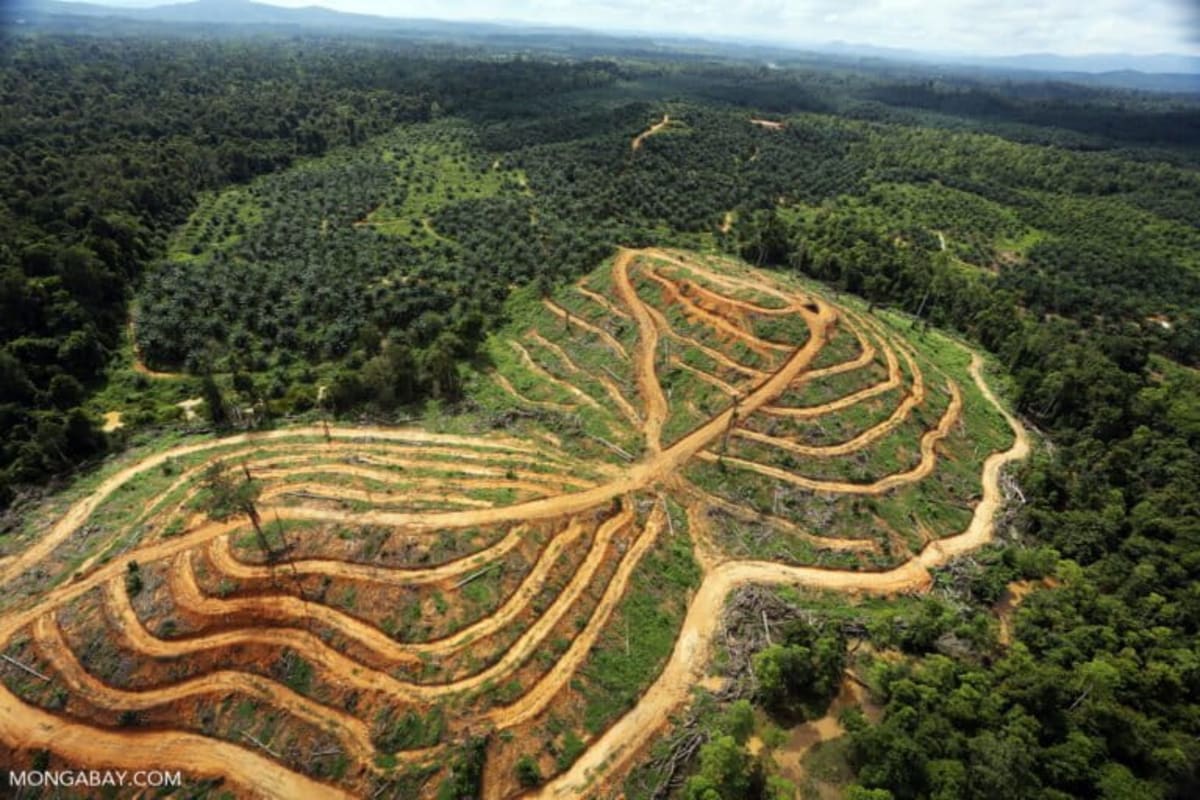
The numbers tell a compelling story. Over a typical three-year IMF program, countries lose forests equivalent to the entire island of Barbados. Researchers found this pattern across dozens of countries that received IMF support since 1980.
The cause isn't intentional. When countries accept IMF loans, they typically agree to cut government spending to balance their budgets. Environmental protections often fall first, and natural resources like timber become quick sources of revenue.
Out of nearly 36,000 policy reforms the IMF administered to developing countries since 1980, only 34 explicitly addressed forests. That gap between climate commitments and financial policy is now closing.
Under current managing director Kristalina Georgieva, the IMF has positioned itself as a climate champion. The fund's own research now recognizes that nature-related risks have major economic impacts that fall under its mandate.
The timing aligns with global momentum. In 2022, 196 countries including all IMF members agreed to halt forest loss by 2030 under the Kunming-Montreal Global Biodiversity Framework. That creates both pressure and opportunity for the IMF to align its lending with these commitments.
The Bright Side
The solution isn't about choosing between economic stability and environmental protection. The World Economic Forum estimates that more than half of global GDP, about $44 trillion annually, depends on nature.
Forests absorb greenhouse gases that slow climate change, support millions of households in forest communities, and form the backbone of conservation strategies worldwide. Protecting them strengthens economies rather than weakening them.
The IMF's current review could enable countries to invest in nature while stabilizing their finances. Researchers argue this shifts lending from short-term fixes that deplete resources toward building genuinely resilient economies.
Financial institutions worldwide are watching. If the IMF successfully integrates environmental protection into its lending framework, it could create a model for how global finance supports both economic recovery and climate commitments.
The path forward treats financial and environmental stability as partners rather than competitors, building an economic safety net that protects forests along with national budgets.
More Images

Based on reporting by Mongabay
This story was written by BrightWire based on verified news reports.
Spread the positivity!
Share this good news with someone who needs it