Immune Cell Therapy Cuts Cirrhosis Death Risk in Trial
A new treatment using specially prepared immune cells has helped people with cirrhosis avoid liver transplants and live longer. The infusions of modified macrophages mark a potential breakthrough for the 2 million Americans living with this life-threatening liver disease.
Scientists have successfully used infusions of immune cells to reduce death rates and transplant needs in people suffering from cirrhosis, a devastating disease that scars the liver beyond repair.
The treatment uses macrophages, a type of immune cell that normally fights infection and clears damaged tissue. Researchers modified these cells in the lab before infusing them back into patients with advanced cirrhosis.
Results from the clinical trial showed that patients who received the cell therapy had significantly lower death rates compared to those who didn't get the treatment. They also needed fewer emergency liver transplants, giving hope to thousands who face organ shortages and years-long waiting lists.
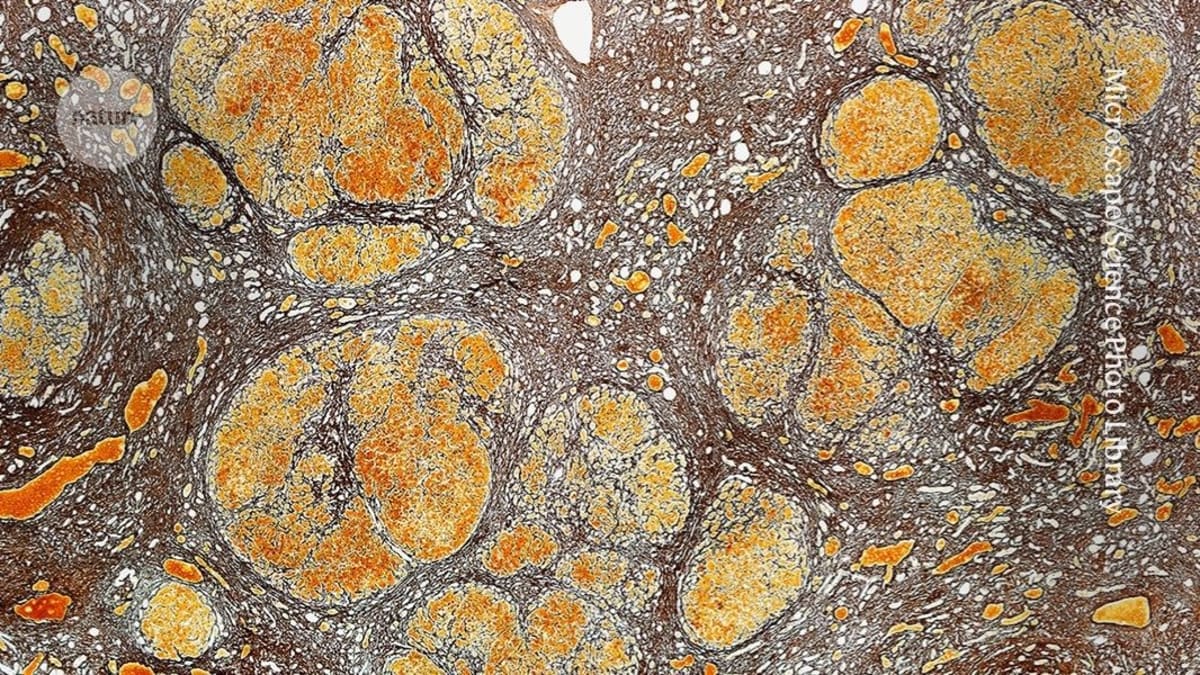
Cirrhosis currently affects about 4.5 million adults in the United States alone. The condition develops when liver tissue becomes severely scarred from long-term damage, whether from alcohol use, hepatitis infections, or fatty liver disease. Once cirrhosis reaches advanced stages, few treatment options exist beyond transplantation.
What makes this approach especially promising is that it works with the body's own healing systems rather than replacing the damaged organ. The specially prepared macrophages appear to help reduce inflammation and support the liver's limited ability to regenerate healthy tissue.
The research team created these therapeutic cells using stem cell technology, tailoring them specifically to target liver scarring. Each infusion delivered billions of these immune cells directly into patients' bloodstreams, where they traveled to the damaged liver.
Why This Inspires
This breakthrough represents more than just another medical advance. For families watching loved ones deteriorate while waiting for transplants that may never come, cell therapy offers real hope where little existed before.
The treatment could also ease the enormous burden on organ donation systems. With only about 8,000 liver transplants performed in the U.S. each year and far more people needing them, alternative therapies like this could save lives that would otherwise be lost to waiting lists.
Perhaps most inspiring is how this research demonstrates the power of working with our bodies' natural defenses. Rather than fighting disease with synthetic drugs alone, scientists are learning to enhance and direct our immune systems toward healing.
The therapy still needs further testing before becoming widely available, but early results suggest we may be witnessing the beginning of a new era in treating liver disease. For the first time in decades, people with advanced cirrhosis have reason to hope for recovery without transplantation.
More Images



Based on reporting by Nature News
This story was written by BrightWire based on verified news reports.
Spread the positivity!
Share this good news with someone who needs it