Immunologist Barry Bloom Changed Global Health Forever
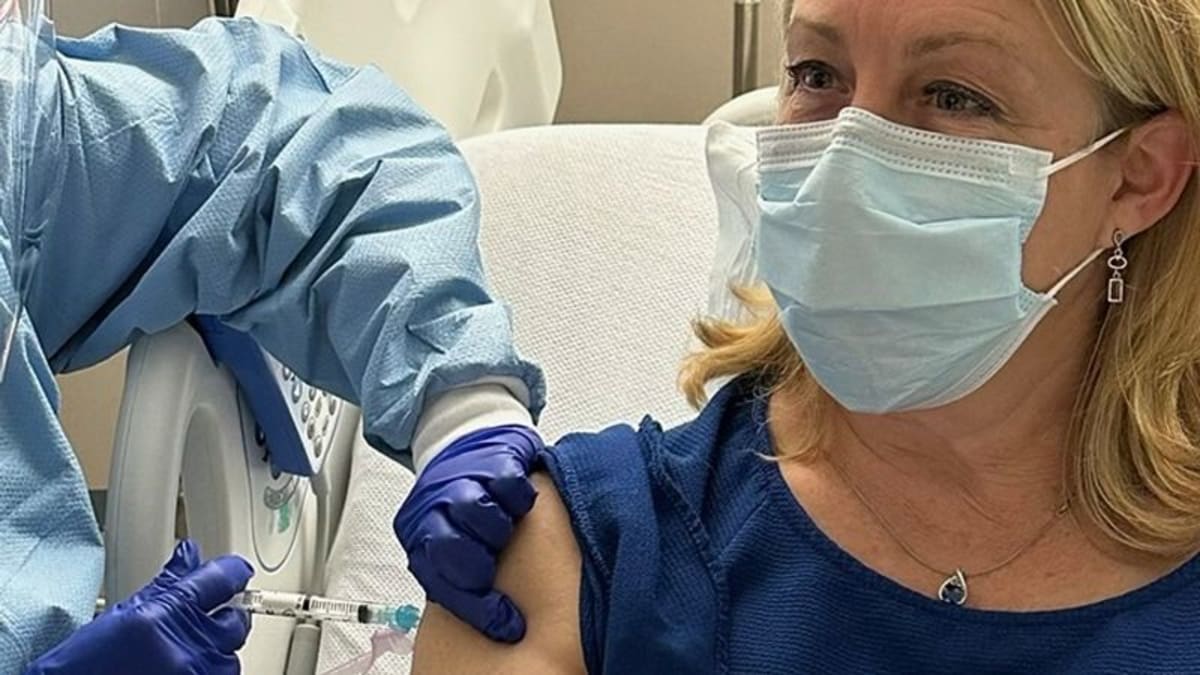
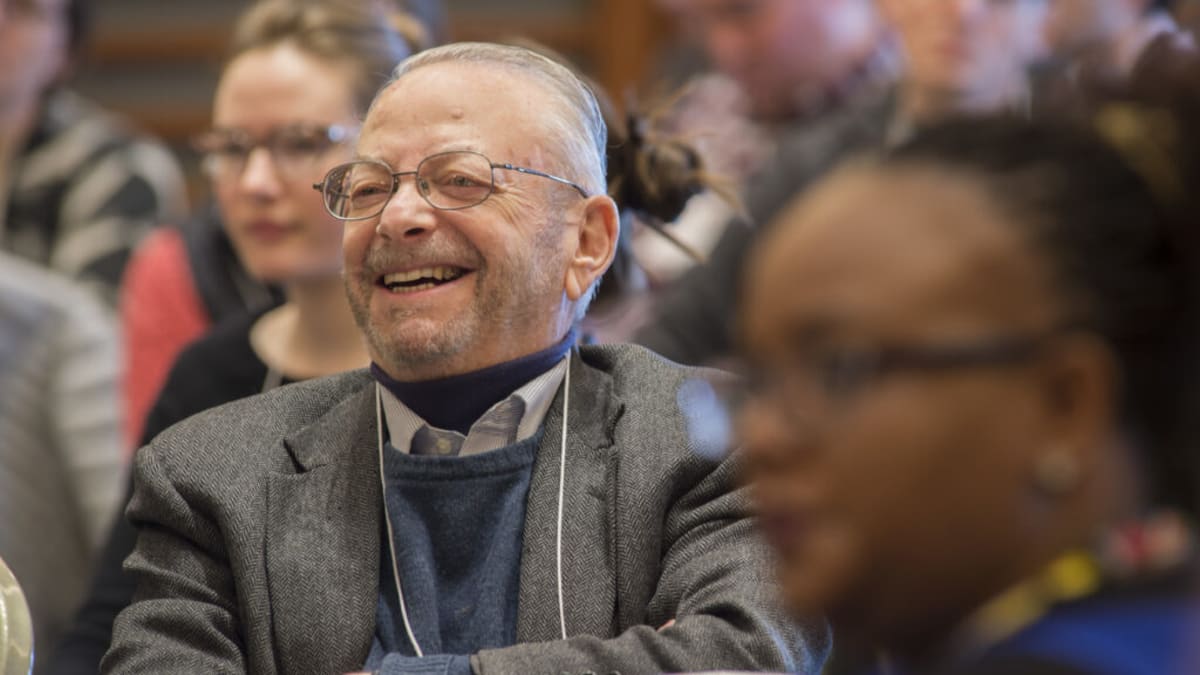
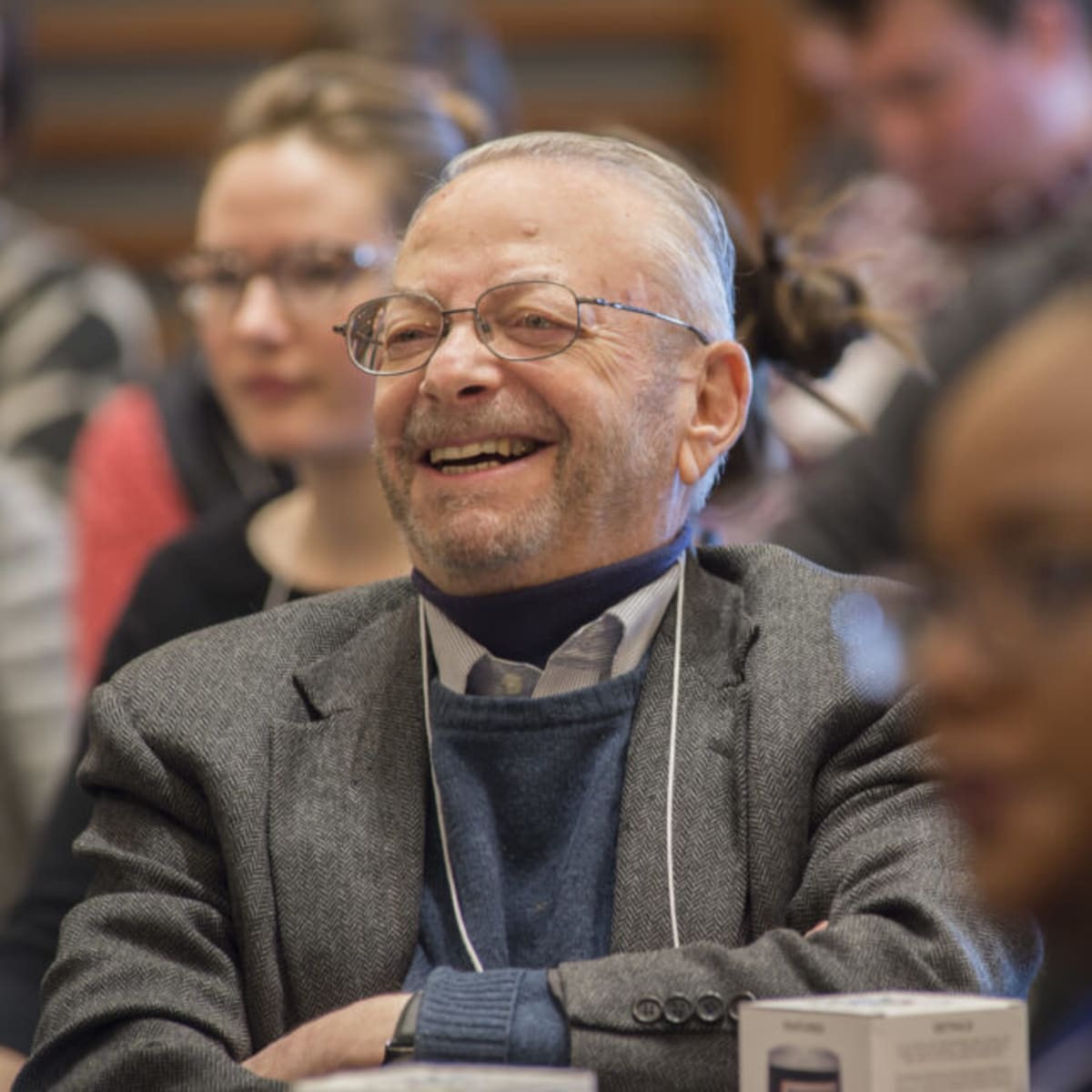
When Barry Bloom got pancreatic cancer, he became a research participant and studied his own treatment papers with the same curiosity that defined his 60-year career. The legendary Harvard immunologist who discovered how our immune system remembers past infections died at 88, leaving behind breakthrough discoveries that transformed how we fight diseases like tuberculosis and leprosy.
Barry Bloom faced his final diagnosis the same way he approached everything: with relentless curiosity and a desire to learn. Even in a Phase 1 cancer trial, he showed up to appointments with questions, studied every research paper, and understood exactly what his temporary remission meant scientifically.
The world-renowned immunologist died March 18 at his Cambridge home, but not before submitting his final research paper and writing a memoir for his 5-year-old grandson. His career spanned six decades of discoveries that still protect millions of people today.
In the 1960s, scientists didn't yet understand how our bodies remember previous infections or vaccines. Bloom solved that mystery by discovering that lymphocytes, not other immune cells, carry the memory of past exposures to germs.
He and colleague Boyce Bennett then identified migration inhibitory factor (MIF), one of the first chemical messengers discovered in the immune system. That 1966 breakthrough earned him an invitation from the World Health Organization that changed everything.
At a meeting about leprosy in Geneva, Bloom realized he could study real diseases affecting real people instead of just laboratory models. The approach was unusual at the time, but it brought his immunology discoveries directly to patients suffering from tuberculosis and Hansen's disease.
Both diseases were devastatingly hard to treat, and the bacteria causing them were nearly impossible to grow in labs. With collaborator Bill Jacobs, Bloom developed the first genetic engineering system for mycobacteria, finally giving scientists the tools to study these dangerous germs safely.
He established a harmless bacterium as a stand-in for research and created a global system for sharing samples of the leprosy bacteria. Working with Robert Modlin, he discovered that vitamin D helps certain immune cells kill tuberculosis bacteria, a collaboration that continued until weeks before his death.
As dean of Harvard School of Public Health, Bloom became famous for connecting people. When hiring epidemiologist Marc Lipsitch, he told him that Eric Rubin (now editor of the New England Journal of Medicine) had just accepted a job and would be a perfect colleague. He told Rubin the same thing about Lipsitch, getting both to join the faculty through what they later called his "social engineering."
The Ripple Effect
Bloom's discoveries didn't just advance textbook knowledge. His work on immune memory laid groundwork for modern vaccine development, and his mycobacteria research tools are still used by scientists worldwide fighting tuberculosis, which kills over a million people annually.
He founded programs and institutes across the globe, training generations of researchers who brought rigorous science to public health challenges. His unusual combination of laboratory brilliance and deep commitment to solving real-world diseases created a model that countless scientists now follow.
Even facing his own mortality, Bloom chose to contribute one more data point to medical science, spending his final months doing what he loved: learning, teaching, and pushing humanity forward.
More Images



Based on reporting by STAT News
This story was written by BrightWire based on verified news reports.
Spread the positivity!
Share this good news with someone who needs it