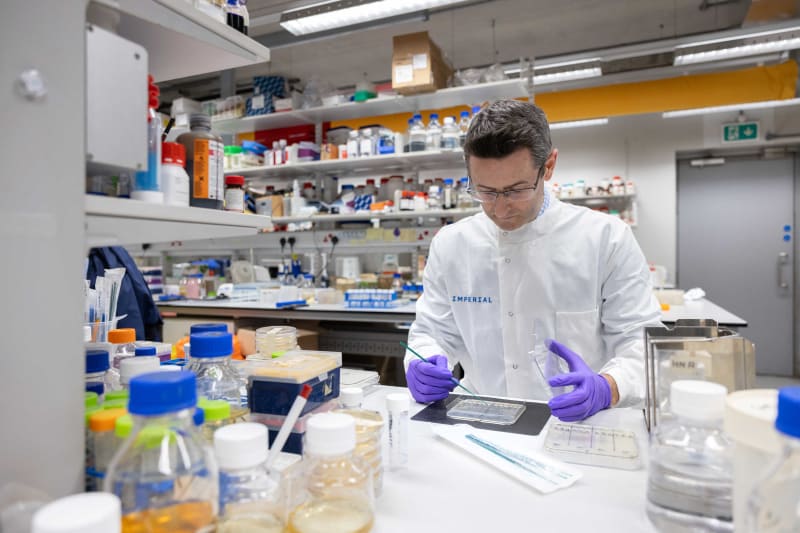
Imperial Gets £3M to Revolutionize Antibiotic Discovery
Scientists at Imperial College London just secured £3 million to transform how we discover new antibiotics using cutting-edge technology. This breakthrough could help solve one of medicine's biggest challenges: finding new ways to fight deadly infections.
Finding new antibiotics just got a major boost. Imperial College London researchers received £3 million in funding to revolutionize how scientists discover drugs that could save millions of lives.
The funding comes at a critical moment. Antibiotic resistance kills over 1.2 million people worldwide each year, and that number keeps climbing as bacteria evolve faster than we can develop new treatments.
Imperial's team will use advanced artificial intelligence and cutting-edge lab techniques to speed up the search for new antibiotics. Traditional drug discovery takes over a decade and costs billions, but these new methods could cut that time dramatically.
The research builds on recent work where Imperial scientists partnered with GSK and the Fleming Initiative to tackle antimicrobial resistance using AI. That collaboration showed promise in identifying drug candidates that would have taken years to find using old methods.
What makes this funding special is its focus on transformation rather than incremental improvement. The researchers aren't just tweaking existing processes but completely reimagining how antibiotic discovery works from the ground up.
The Ripple Effect
Success here means more than just new medicines on pharmacy shelves. Faster antibiotic discovery could restore doctors' ability to treat infections that have become nearly impossible to cure, from pneumonia to sepsis.
Rural hospitals and clinics in developing countries would benefit enormously. These facilities often see the worst cases of drug-resistant infections but have the fewest treatment options available.
The research could also make antibiotic development economically viable again. Many pharmaceutical companies abandoned this field because it takes too long and costs too much, but new discovery methods could bring them back.
Imperial has already demonstrated its commitment to solving global health crises. Recent projects include testing AI mental health tools for girls in rural India and developing wearable technology to detect severe dengue fever early.
This £3 million investment represents hope that we won't lose our ability to fight bacterial infections. The race between human innovation and bacterial evolution just got more competitive, and scientists are catching up.
More Images


Based on reporting by Google News - Breakthrough Discovery
This story was written by BrightWire based on verified news reports.
Spread the positivity!
Share this good news with someone who needs it