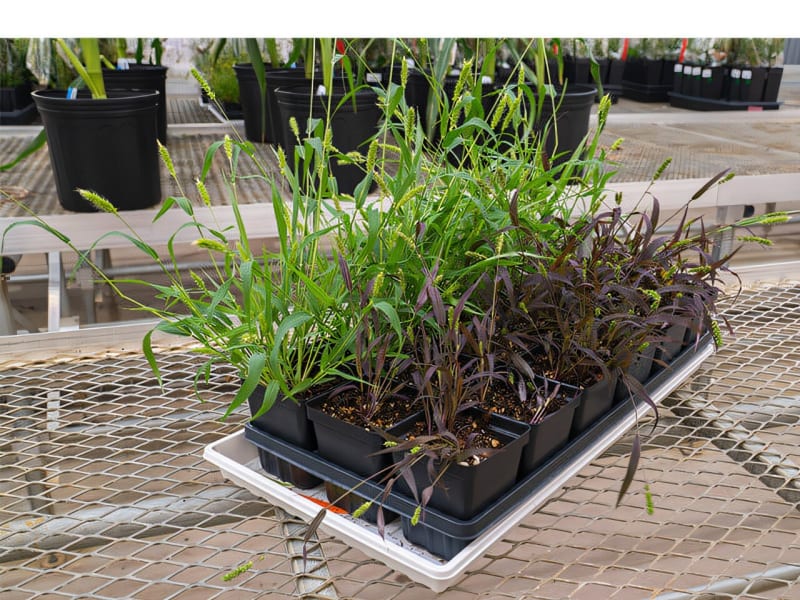
Incredible New Discovery: Crops That Talk to Farmers About Their Environment
Scientists have created an amazing breakthrough that turns ordinary grain crops into living environmental sensors. These remarkable plants change color to alert farmers about chemicals or pollution in their fields, opening up exciting new possibilities for safer, more sustainable farming worldwide.
Imagine walking through a cornfield where the plants themselves could tell you about hidden dangers or pollution in the soil. Thanks to an inspiring collaboration between researchers at the Donald Danforth Plant Science Center, University of Florida, and University of Iowa, this science-fiction scenario is becoming reality.
In a groundbreaking achievement published in Plant Biotechnology Journal, the research team led by Dr. Dmitri Nusinow and Dr. Malia Gehan has developed a remarkable system that allows grain crops to act as living biosensors. These ingenious plants produce a beautiful purple pigment called anthocyanin when they detect specific chemicals in their environment, essentially "communicating" vital information to farmers about field conditions.
What makes this discovery particularly exciting is that the team has succeeded in engineering grass species—the foundation of global grain production including corn and sorghum. While similar biosensor technology has been developed in other plants, adapting it to the crops that feed the world represents a major leap forward for agricultural science.
The researchers have created what they call "sentinel plants" that can detect extremely low levels of chemical exposure, pollution, or adverse conditions that might impact both crop health and human wellbeing. When combined with advanced imaging technology, these plant biosensors can non-invasively report environmental stressors from a distance, giving farmers unprecedented insight into their fields.
"Grain crops are at the heart of global food security," explains Dr. Nusinow. "Having plants act as sentinels in the field could increase food security and improve the sustainability of agriculture." This optimistic vision reflects the transformative potential of the technology for feeding our growing world population more safely and efficiently.
The team achieved several remarkable technical advances, including identifying special transcription factors that trigger the purple pigment production and developing sophisticated hyperspectral imaging techniques that can detect the color changes remotely. Together, these innovations create a robust system for precise environmental monitoring right where it matters most—in the fields where our food grows.
Perhaps most inspiring is the researchers' commitment to open science and collaboration. Both the molecular tools and detection methods have been made publicly available in open repositories, allowing scientists worldwide to build upon this work. "We wanted to build a system that other researchers could easily use," shares Dr. Gehan. "Making our constructs and imaging approaches publicly available will accelerate innovation across the community."
This generous approach means the benefits of this discovery can spread rapidly throughout the global scientific community, potentially accelerating solutions to agricultural challenges worldwide.
Looking ahead, these plant-based monitoring systems could revolutionize how we detect contamination, chemical drift, or environmental factors affecting crop performance. As the technology becomes more refined, the ability for plants to "report" their own stressors could transform agricultural management, making farming more responsive, sustainable, and resilient.
This beautiful marriage of plant biology, engineering, and environmental science represents the kind of innovative thinking that offers real hope for addressing food security and sustainability challenges. It's a wonderful reminder that nature, enhanced by human ingenuity, can provide elegant solutions to complex modern problems.
Based on reporting by Phys.org
This story was written by BrightWire based on verified news reports.
Spread the positivity! 🌟
Share this good news with someone who needs it
More Good News
 🚀 Innovation
Revolutionary AI Tool Brings Stress-Free Health Monitoring to Cattle Ranching
 🚀 Innovation
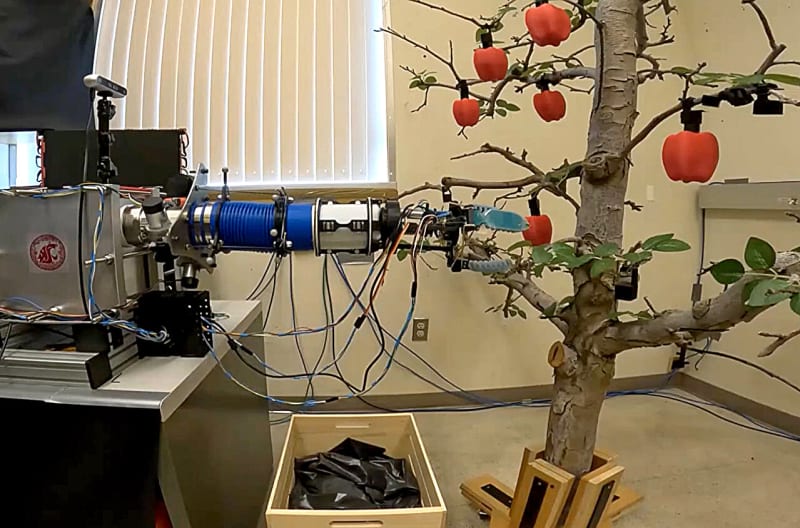
Innovative Inflatable Robot Brings Hope to Apple Farmers Facing Labor Challenges
 🚀 Innovation
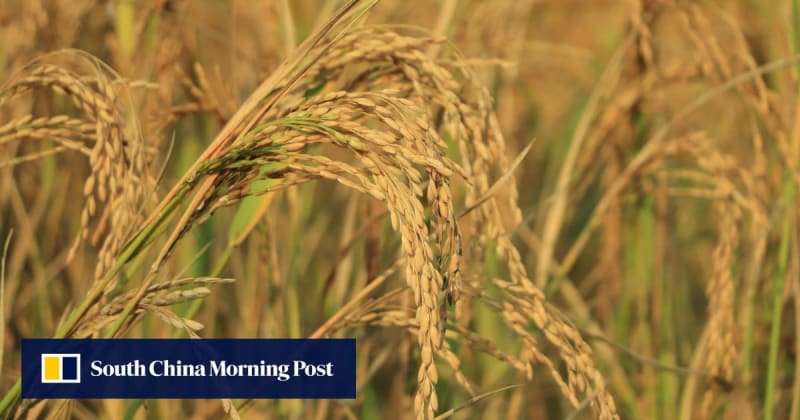
Revolutionary Self-Cloning Rice Could Help Feed Hundreds of Millions Worldwide
Joke of the Day
Why don't scientists trust atoms?
Explore Categories
Quote of the Day
"The only way to do great work is to love what you do."
— Steve Jobs