India: 450 Million Now Use UPI to Pay for Everything
A payment system launched in 2016 went from zero to moving $3.4 trillion yearly, changing how nearly half a billion Indians buy tea, groceries, and everything in between. Now a policy shift may reshape what made it so popular: it's been completely free.
A decade ago, buying chai meant fishing for exact change or standing in bank lines to transfer money. Today, 450 million Indians tap their phones and pay in seconds, no cash needed.
That transformation belongs to UPI, a payment system built by India's National Payments Corporation in 2016. It let anyone send money instantly using just a mobile number, skipping cards, cash, and paperwork entirely.
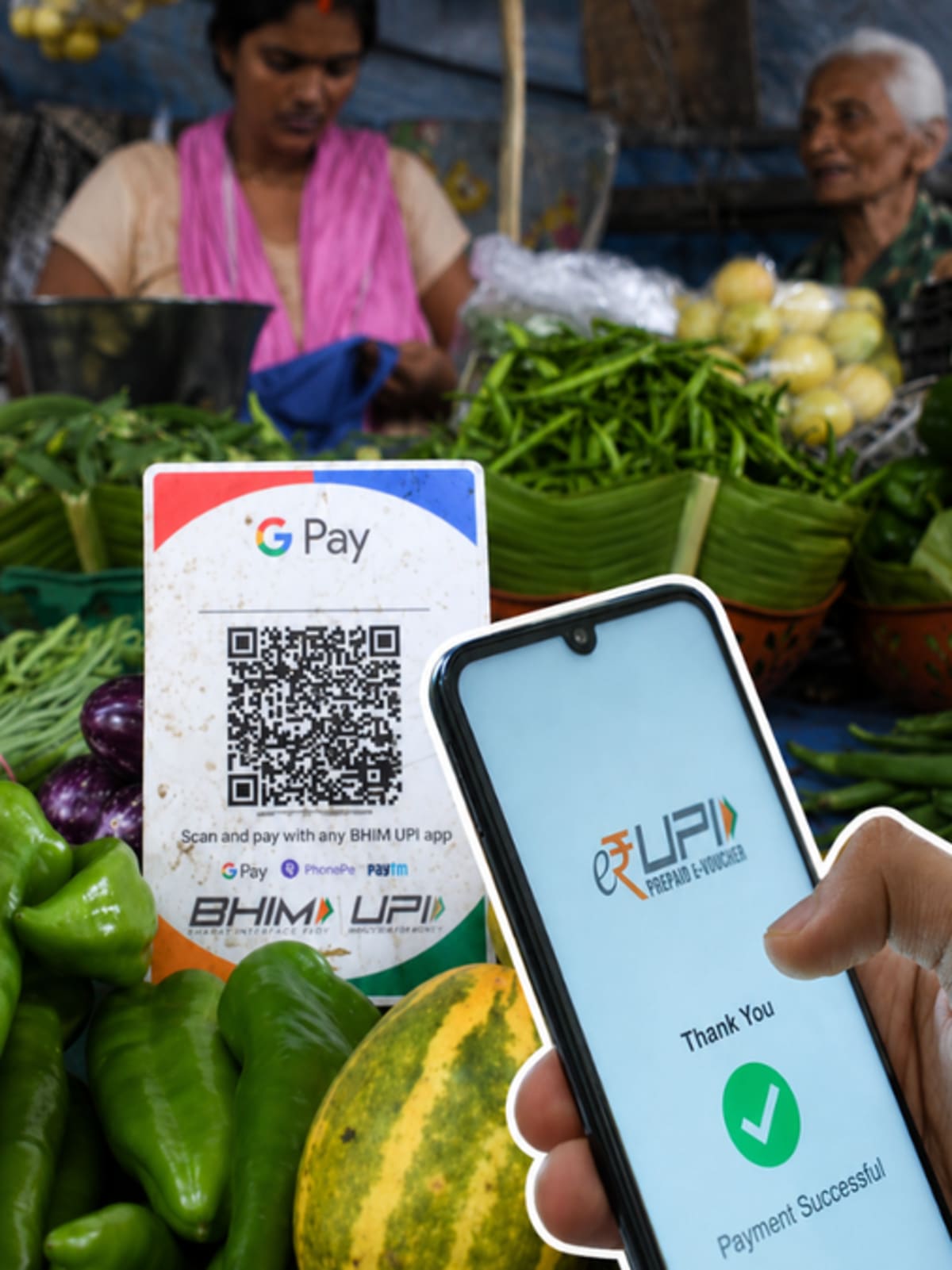
The timing proved perfect. When India suddenly pulled most cash from circulation in late 2016, people scrambled for alternatives. UPI, barely months old, became the lifeline. Street vendors, students, and shopkeepers who'd never tried digital payments started scanning QR codes just to keep their businesses running.
Then came the real game changer: zero fees. In 2020, the government banned all charges on UPI transactions for both customers and merchants. That decision turned hesitation into adoption overnight.
Watch what happened next. A tea stall owner taped a paper QR code to his wooden cart. A fruit vendor followed, then a tailor, a rickshaw driver, a pharmacy. Free meant fearless, especially for small sellers operating on tiny margins.
Big retailers, who'd resisted digital payments for years because of processing fees, suddenly had no reason to say no. The same QR code that worked at a roadside stall now sat beside cash registers in department stores and malls.
The numbers tell the acceleration story. Between 2019 and 2025, UPI transactions grew 72 percent every year. Around 260 million new users and 55 million new merchants joined in just four years. By 2025, UPI moved roughly $3.4 trillion in a single year, up 30 percent from the year before.
The system kept getting smarter too. UPI Lite launched for small offline payments. Credit lines connected directly to the app. International corridors opened, letting Indians pay in Singapore, the UAE, and France using the same app they used at their neighborhood grocer.
The Ripple Effect
Running a free nationwide payment rail for half a billion people costs real money. Banks and payment companies absorbed those processing costs for years, supported by government subsidies, while searching for a sustainable funding model.
In August 2026, Parliament passed a bill that could allow fees to return. The proposed charge, called a Merchant Discount Rate, would be deducted from merchants accepting payment, not customers paying directly. But retail history shows sellers often pass such costs forward as small price increases.
Whether fees actually return, who pays them, and how much remains uncertain. What's certain is that UPI transformed India from a cash economy into a tap-and-pay nation faster than anyone predicted, connecting street carts to shopping malls on one digital rail.
The coming months will show whether that transformation continues at zero cost, or whether keeping the infrastructure running requires sharing the bill.
Based on reporting by The Better India
This story was written by BrightWire based on verified news reports.
Spread the positivity!
Share this good news with someone who needs it