India Adds Record 38 GW Solar, Cuts Global Fossil Fuel Use
India's clean energy boom in 2025 helped trigger a rare global decline in fossil fuel electricity production for the first time since the pandemic. The country installed more solar panels than the United States and slashed its coal power generation by 52 billion units.
For the first time this century, India and China both reduced their fossil fuel electricity at the same time, pulling down global emissions in a historic climate win.
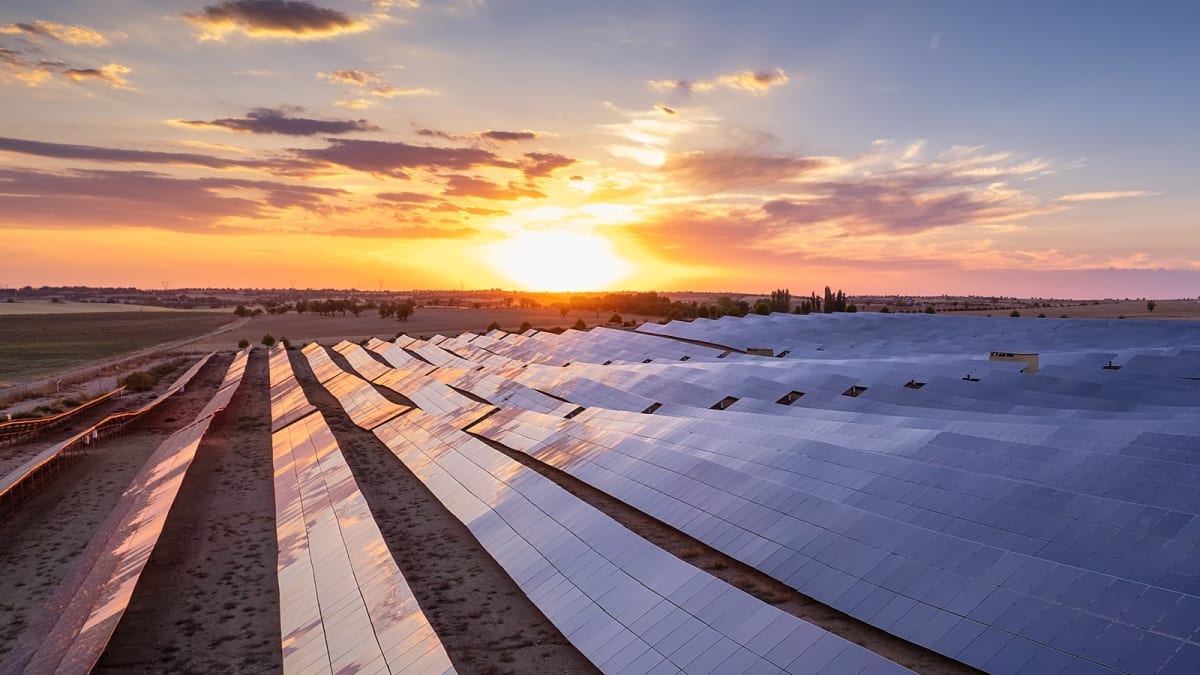
India added almost 38 gigawatts of new solar capacity in 2025, beating the United States for the first time ever. The US installed about 33 gigawatts that same year.
The solar surge, combined with strong wind and hydropower growth, meant India needed barely any additional fossil fuel power despite a growing economy. Renewable energy produced 98 terawatt hours more electricity than 2024, while total demand only increased by 49 terawatt hours.
India's fossil fuel electricity dropped by 52 billion units compared to the previous year, according to global energy think tank Ember's annual report. China saw a similar 56 billion unit decline.
Together, these two giants drove down global fossil fuel power generation for only the fifth time this century. It marked the first global decline since the COVID-19 pandemic forced economic slowdowns.
The timing worked in India's favor. A good monsoon season and milder summer meant electricity demand grew more slowly than usual, giving clean energy room to take over from coal and gas plants.
India also added more than 6 gigawatts of wind power and about 4 gigawatts of hydropower capacity. Total renewable additions topped 48 gigawatts for the year.
The shift represents India's first year-on-year coal generation decline in half a century outside of pandemic disruptions. Coal accounts for most of India's fossil fuel power, making the drop especially significant.
The Ripple Effect
India's clean energy breakthrough shows how rapidly developing countries can leapfrog dirty power without sacrificing growth. When the world's third-largest electricity consumer proves renewables can meet rising demand, it reshapes what's possible globally.
The country's achievement also demonstrates that climate progress doesn't require economic sacrifice. India's economy continued growing while its emissions from electricity actually fell, proving clean development works in practice.
Other emerging economies are watching closely. If India can pull off this transition while lifting millions out of poverty, it provides a roadmap for countries across Africa, Southeast Asia, and Latin America.
Experts caution that 2026 could look different. Weather forecasters predict below-normal monsoon rains, which could boost electricity demand as farmers pump more groundwater and hot weather drives air conditioning use higher.
Still, India plans to add even more renewable capacity in 2026 than it did in 2025. The momentum behind solar and wind power continues building, supported by falling costs and government targets.
The global implications extend beyond emissions. As India proves renewables can power rapid development, it weakens arguments that poor countries must choose between growth and climate action.
Based on reporting by Google News - Solar Power Record
This story was written by BrightWire based on verified news reports.
Spread the positivity!
Share this good news with someone who needs it