India and EU Near Historic Trade Deal After 20 Years
After two decades of negotiations, India and the European Union are close to finalizing a massive free trade agreement that could reshape global economics. The deal promises to strengthen ties between two of the world's largest economies.
Two of the world's economic powerhouses are about to shake hands on a trade deal 20 years in the making.
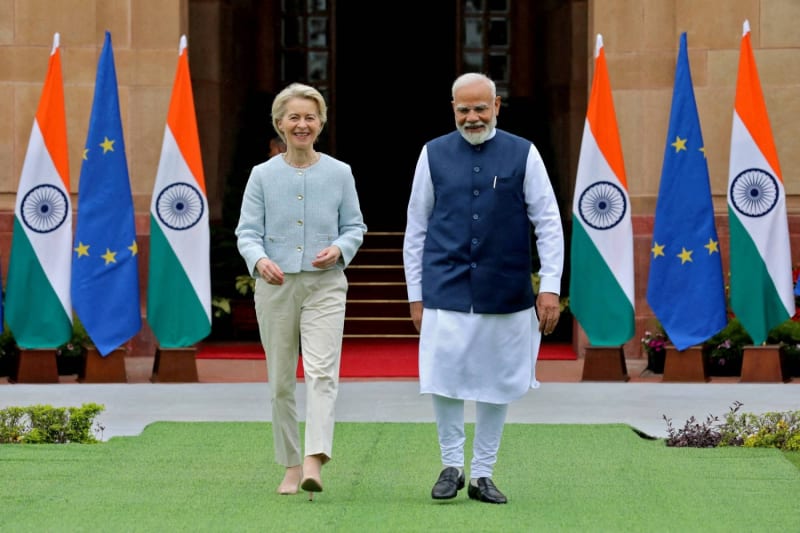
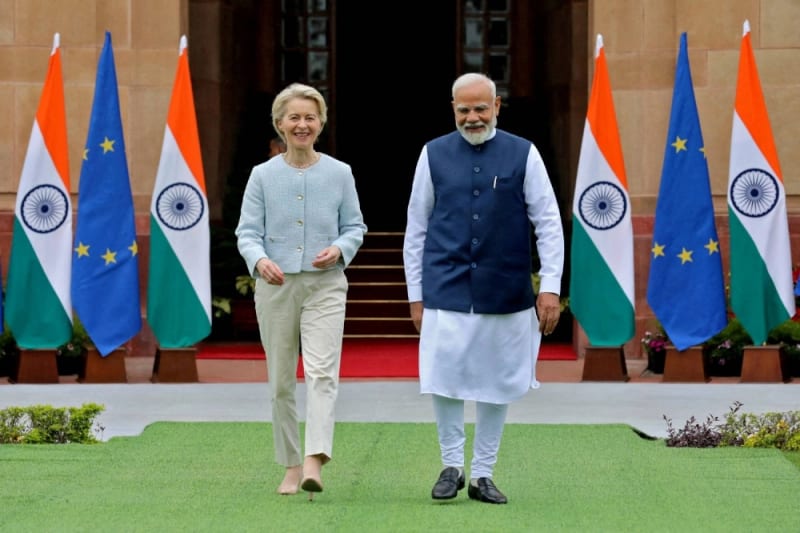
India and the European Union stand on the brink of signing what officials are calling the "mother of all deals" when EU leaders meet with Prime Minister Narendra Modi in New Delhi next week. The massive free trade agreement has been in negotiations since the early 2000s, and after years of stops and starts, both sides say they're ready to cross the finish line.
"We are on the cusp of a historic trade agreement," European Commission President Ursula von der Leyen announced this week. Her enthusiasm reflects the high stakes for both parties.
The timing matters. Both India and Europe face economic pressures from China's massive manufacturing base and shifting trade relationships with the United States. This partnership offers both sides a strategic alternative and a chance to diversify their economic futures.
For India, the deal opens doors to 450 million European consumers and advanced technology partnerships. For Europe, it means access to India's booming market of 1.4 billion people and a young, skilled workforce that could power everything from tech innovation to green energy transitions.
The agreement has taken so long partly because of its ambition. Trade deals of this scale touch everything from tariffs on goods to digital commerce rules, environmental standards, and labor protections. Getting two such different economic systems to agree on the fine print requires patience and compromise.
The Ripple Effect
This isn't just about India and Europe. A successful deal could set new standards for how democracies trade with each other in an increasingly complex global economy.
The agreement signals that patient diplomacy and mutual respect can overcome even the trickiest negotiations. It shows that countries don't have to choose between protecting their own interests and building bridges with partners across the world.
Smaller nations watching these talks will see proof that alternative trade networks exist beyond the traditional powerhouses. Regional economies throughout Asia, Africa, and Latin America may find fresh opportunities as supply chains shift and new partnerships form.
If signed next week, the deal will create one of the world's largest free trade zones, covering roughly a quarter of global GDP. That's not just good news for government balance sheets. It means more choices for consumers, more opportunities for businesses, and more connections between people who might never have crossed paths otherwise.
Twenty years of work is about to pay off for millions of people on two continents.
More Images

Based on reporting by Japan Times
This story was written by BrightWire based on verified news reports.
Spread the positivity!
Share this good news with someone who needs it