India Approves First Advanced Solar Cell for Mass Production
India just greenlighted its first heterojunction solar cell technology for government projects, marking a major leap for clean energy manufacturing. Reliance Industries secured the approval with cells that outperform conventional solar tech by up to 25%.
India's solar revolution just hit a major milestone as Reliance Industries became the first company to get cutting-edge heterojunction solar cells approved for nationwide use in government-backed renewable energy projects.
The approval from India's Ministry of New and Renewable Energy means these advanced solar cells can now power the country's ambitious clean energy future. Starting June 2026, all government solar projects must use approved domestic technology, and Reliance's innovation just made the list.
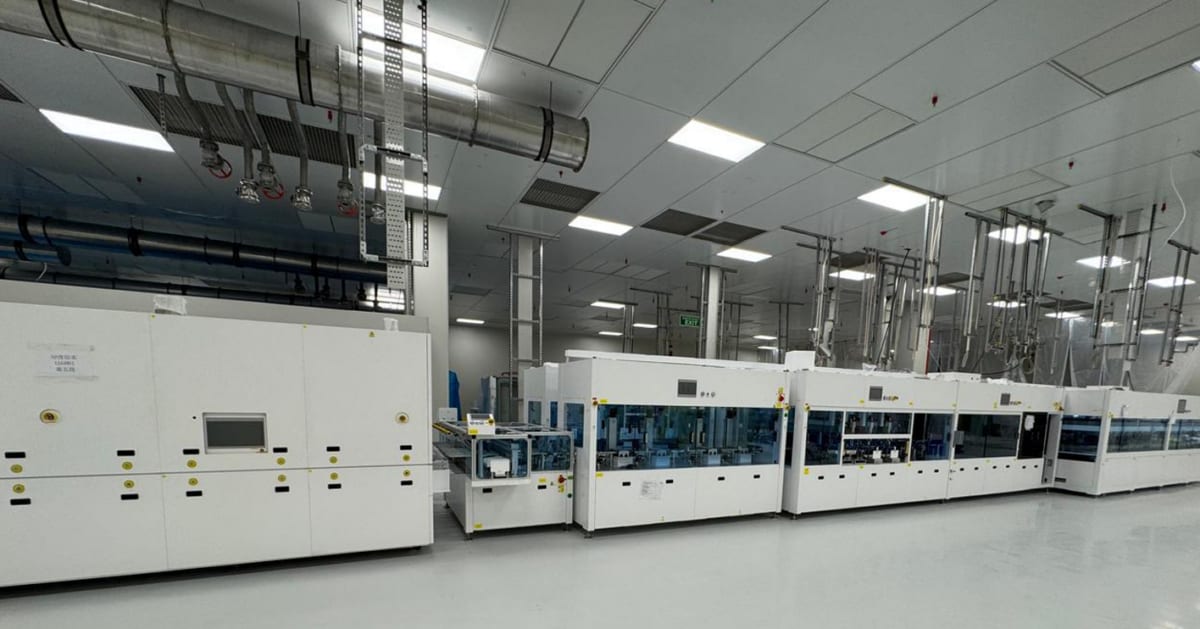
Here's what makes this exciting: Reliance's new cells achieve efficiency ratings up to 25.6%, significantly better than older solar technologies. The company's facility in Jamnagar can produce 1,238 megawatts worth of these cells annually, enough to power hundreds of thousands of homes.
These aren't your standard solar panels. Heterojunction technology works better in hot weather, which matters tremendously for a tropical country like India. The cells also degrade about 25% less over their lifetime compared to conventional silicon panels, meaning they'll keep producing clean energy longer.
Reliance built these cells at its Dhirubhai Ambani Green Energy Giga Complex, part of a massive 10-gigawatt solar manufacturing facility that could scale to 20 gigawatts. That's serious production capacity aimed at making India a global solar manufacturing powerhouse.
The Ripple Effect
This approval ripples far beyond one company's achievement. India is positioning itself to compete with China's dominance in solar manufacturing while creating thousands of green jobs at home.
The timing couldn't be better for global climate goals. As countries race to transition away from fossil fuels, India is proving that developing nations can lead innovation rather than just import it.
Reliance isn't stopping at solar panels either. The company is simultaneously building battery manufacturing facilities with initial capacity of 40 gigawatt-hours, expandable to 100. That means India could soon produce both the solar panels and the batteries needed to store that clean energy.
The technology roadmap looks even brighter. Reliance engineers are already targeting 26.5% efficiency through next-generation perovskite-tandem integration, which would put Indian solar cells among the most efficient in the world.
For a country that still relies heavily on coal, this represents more than technological progress. It's a signal that India's renewable energy ambitions are backed by real manufacturing muscle and government commitment to buying domestic innovation.
India's clean energy future just got a whole lot sunnier.
More Images

Based on reporting by PV Magazine
This story was written by BrightWire based on verified news reports.
Spread the positivity!
Share this good news with someone who needs it