India Builds Underground Railway to Secure Northeast Access
India is constructing an underground railway through a strategic 40-kilometer corridor that will create a secure, all-weather link to its northeastern states. The innovative project addresses decades of vulnerability in the narrow "Chicken's Neck" passage connecting the region to the rest of the country.
A groundbreaking railway project promises to transform how India's northeastern states connect with the rest of the nation, replacing uncertainty with security.
India announced plans to build underground railway tracks through the strategic Siliguri corridor, a narrow 20-kilometer-wide strip of land in West Bengal that serves as the only land connection to seven northeastern states. The corridor, nicknamed the "Chicken's Neck" for its narrow shape, sits sandwiched between Nepal and Bangladesh, making it geographically vulnerable.
Railway Minister Ashwini Vaishnaw revealed the project on February 2, 2026, announcing that underground tracks will run 40 kilometers between Tin Mile Haat and Rangapani railway stations. The existing surface tracks will also expand from two lines to four, doubling capacity for the region's 45 million residents.
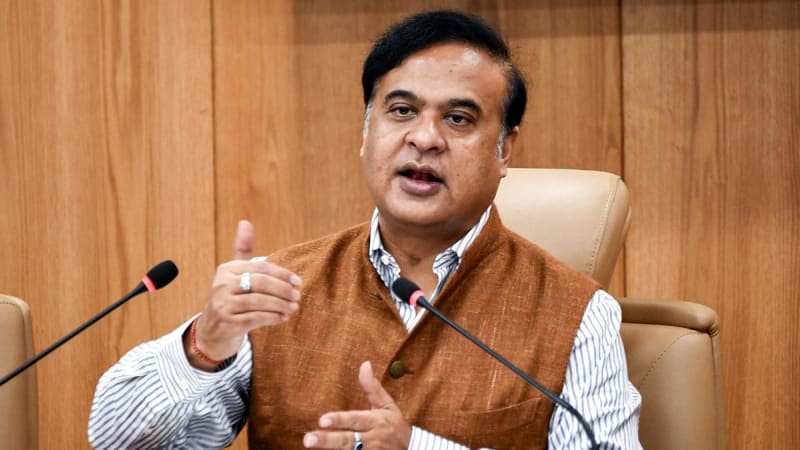
Assam Chief Minister Himanta Biswa Sarma called the project a "major strategic breakthrough" that creates a foolproof transportation corridor. For decades, the narrow passage has created challenges for moving people and goods to the remote northeastern region during emergencies or disruptions.
The underground railway will ensure trains can run regardless of surface conditions or external pressures. One line will connect to Bagdogra, home to critical air defense infrastructure, strengthening the region's connectivity even further.
The Ripple Effect
This engineering feat means more than just secure railways. The project will boost economic development across seven northeastern states by guaranteeing reliable access to markets, medical facilities, and educational institutions in other parts of India.
Local businesses will gain confidence to invest and expand, knowing their supply chains won't face geographic bottlenecks. Students and patients traveling for specialized services will have guaranteed passage, removing the anxiety that weather or other disruptions might strand them.
The underground approach also represents India's growing infrastructure ambition, using cutting-edge tunnel technology to solve geographic challenges. The completed project will demonstrate how innovative engineering can overcome natural limitations and bring remote regions closer to opportunity.
Construction timelines haven't been announced yet, but officials emphasize the project addresses a vulnerability that has concerned planners since India's independence in 1947.
A secure corridor means millions of Indians in the northeast can look forward to stronger connections with their country and each other.
Based on reporting by The Hindu
This story was written by BrightWire based on verified news reports.
Spread the positivity!
Share this good news with someone who needs it