India Closes Climate Gap with Better Translation
India's climate science is world-class, but a language barrier is blocking action on the ground. A new push to translate complex climate data into everyday words could save lives and protect communities.
When global climate negotiators say "Loss and Damage," Indian officials hear "disaster relief paperwork." That gap between international climate language and local understanding is costing India precious time in protecting its most vulnerable communities.
India now has some of the world's most advanced climate science. Scientists can predict heat waves at the district level, model urban flooding, and trace exactly how climate change affects specific storms. But a district official receiving a vulnerability report filled with technical terms often can't translate it into action by tomorrow morning.
The disconnect runs deeper than jargon. When climate experts talk about "Loss and Damage," they mean crops destroyed by drought, but also traditions disappearing with ancestral lands and cultural memory eroding as villages relocate. In Hindi and other Indian languages, these concepts collapse into narrower bureaucratic categories like "nuksaan aaklan" (loss assessment) or "haani purti" (damage compensation).
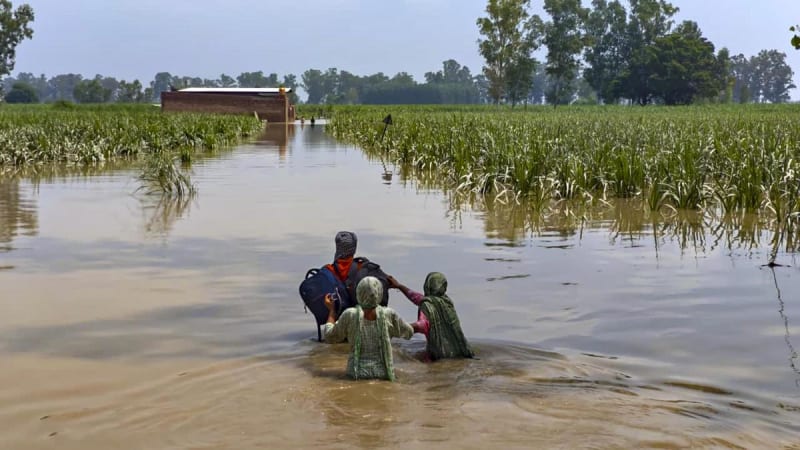
Communities face similar confusion. Heat advisories telling people to "stay indoors between noon and 3 p.m." ignore the reality that many Indians can't stop working during those hours. Flood warnings sent by text message assume everyone can read and owns a smartphone.
The solution isn't more data. It's better communication designed around how real people make decisions under pressure.
Odisha's cyclone preparedness program shows what works. The state's evacuation success comes not from fancy technology but from years of building public trust in government alerts. When people believe the warnings, they act. Trust becomes infrastructure as vital as storm shelters.
The Ripple Effect
When climate information becomes clear and grounded in everyday life, the entire system improves. Policies get sharper because officials understand what they're addressing. Communities respond faster because warnings make sense. Investments flow toward solutions that actually work in local contexts.
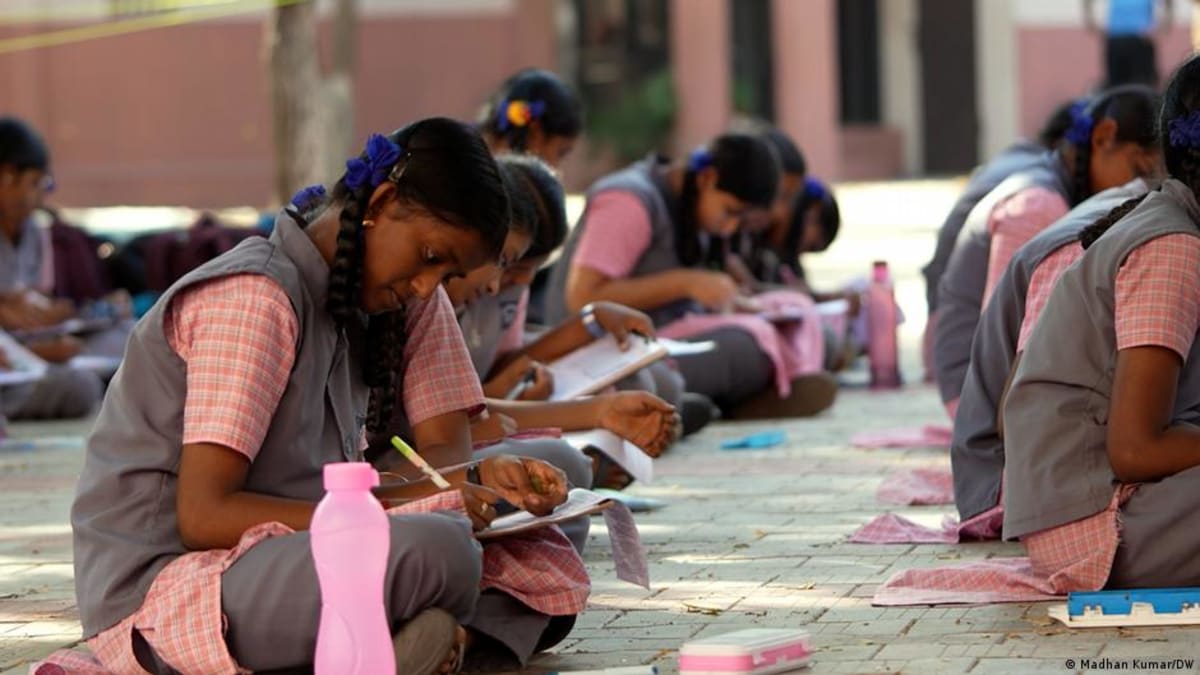
Schools can adjust timings based on heat projections they understand. Farmers can prepare for floods described in terms that match their experience. Local journalists can explain risks in ways that drive action rather than confusion.
India is now working to match its scientific excellence with communication excellence. That means translating climate projections into practical guidance, creating messages in local languages that reflect local realities, and training government officials to explain climate risks using examples from their own districts.
The stakes are enormous. Every degree of warming will affect more than a billion people across India's diverse landscapes. When communication fails, brilliant science stays trapped in reports while communities remain unprepared.
But when it succeeds, climate resilience becomes something every Indian can understand and build together.
Based on reporting by The Hindu
This story was written by BrightWire based on verified news reports.
Spread the positivity!
Share this good news with someone who needs it