India Contains Deadly Nipah Virus Outbreak in West Bengal
Indian health officials successfully contained a Nipah virus outbreak after swift action led to zero new infections among nearly 200 contacts. The rapid response prevented a potentially deadly spread of the virus that can kill up to 75% of those infected.
Indian health officials just pulled off an impressive feat of disease control, stopping a potentially deadly Nipah virus outbreak before it could spread beyond two confirmed cases.
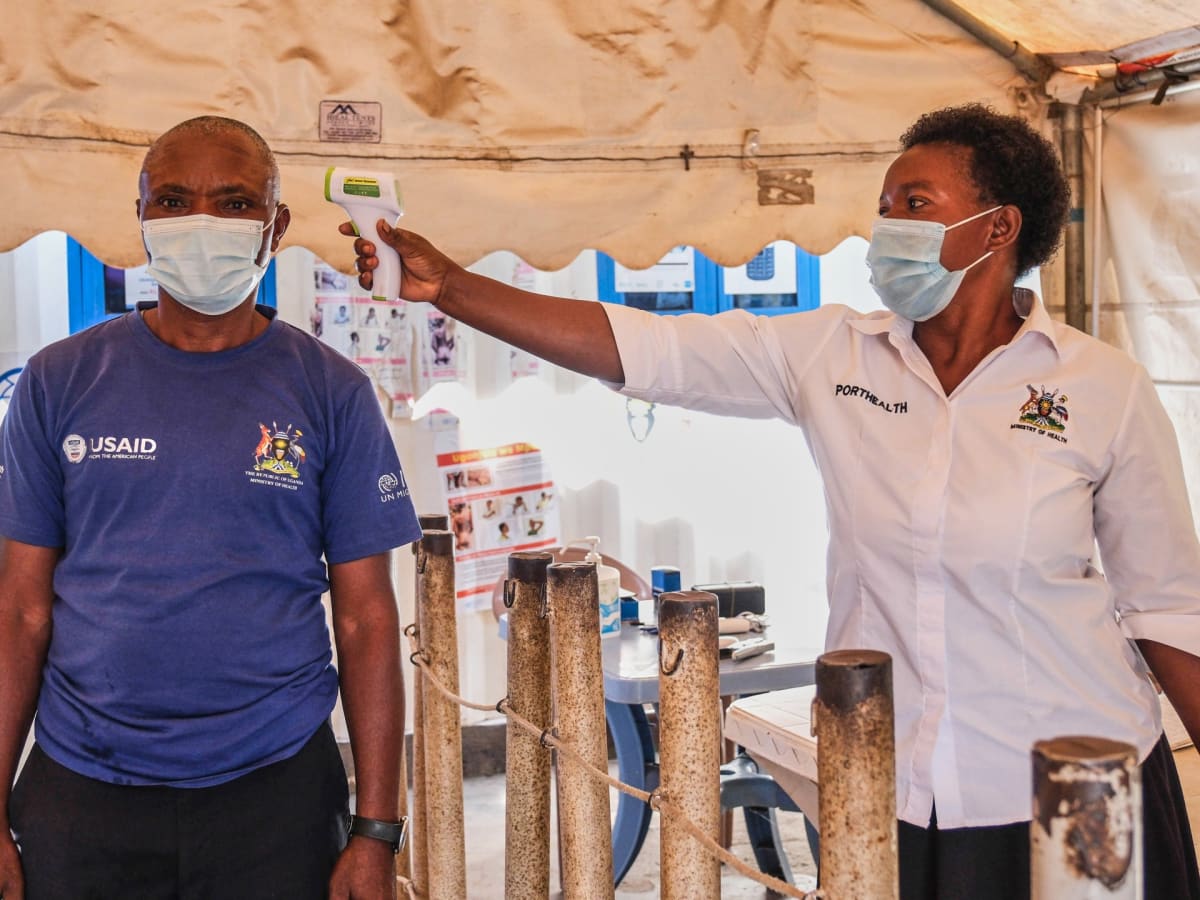
The Ministry of Health and Family Welfare announced Tuesday that their quick action in West Bengal state successfully contained the outbreak. Health workers identified and tested 196 people who came into contact with the two confirmed patients, and every single test came back negative for the virus.
The announcement comes as welcome news across Asia, where several countries had begun implementing emergency screening measures at airports and border crossings. China, Indonesia, Thailand, Vietnam, Malaysia, and Myanmar all rolled out health checks for travelers from India after news of the outbreak first emerged.
Nipah virus is no ordinary illness. First discovered during a 1990s outbreak in Malaysia, it spreads through fruit bats, pigs, and human contact. With no vaccine available and a death rate between 40 and 75 percent, it's significantly more lethal than COVID-19. The only treatment doctors can offer is supportive care to manage symptoms like high fevers, convulsions, and vomiting.
India's health system has learned valuable lessons from past Nipah cases. The southern state of Kerala has reported infections almost every year since 2018, building expertise in rapid response protocols. That experience clearly paid off in West Bengal.
The Bright Side
What makes this story remarkable is not just that officials caught the outbreak early, but how transparent they've been throughout the process. The ministry publicly clarified media speculation and kept neighboring countries informed, building trust during a potentially frightening situation.
The swift contact tracing and testing also demonstrates how much public health infrastructure has improved since the COVID-19 pandemic. Many Asian countries kept their fever surveillance systems and screening protocols in place, allowing them to respond quickly when this new threat emerged.
Health workers conducted enhanced surveillance, laboratory testing, and field investigations, showing that lessons from recent global health crises are being put into practice. The ministry assured the public that the situation remains under constant monitoring with all necessary public health measures firmly in place.
This successful containment offers hope that even the most dangerous infectious diseases can be stopped when health systems work efficiently and transparently.
Based on reporting by Al Jazeera English
This story was written by BrightWire based on verified news reports.
Spread the positivity!
Share this good news with someone who needs it