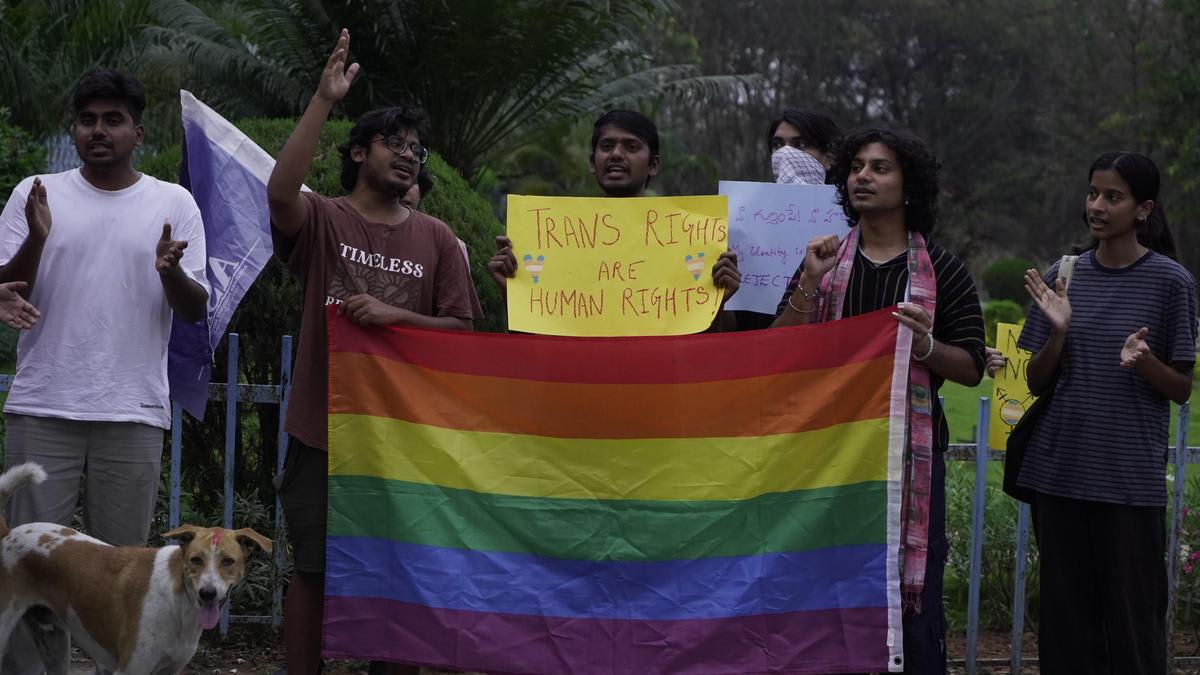
India Court Backs Transgender Rights in Jobs Ruling
A court in Rajasthan just ruled that transgender people deserve equal access to job quotas based on their caste, not just their gender identity. The decision grants 3% additional scoring to trans candidates and orders a committee to study how multiple forms of discrimination affect this community.
When Ganga Kumari, a transgender woman serving in the Rajasthan Police, challenged her state's job reservation policy, she didn't just win her case. She opened the door for thousands of transgender Indians to access opportunities that were legally theirs but practically out of reach.
On March 30, the Rajasthan High Court ruled that lumping all transgender people into one reservation category ignores the reality of their lives. A transgender person from a Scheduled Caste background faces different barriers than someone from a general category, the court recognized, and policies should reflect that.
The court called the state's blanket classification a "mere eyewash" and pointed to hard evidence: not a single transgender person had benefited from the existing OBC-only reservation. The judges saw what many communities already knew. Forcing people to choose between their gender identity and their caste-based rights isn't fairness, it's discrimination doubled.
Until Rajasthan develops a comprehensive policy, transgender candidates across all job categories will receive a 3% bonus in scoring. The court also ordered the creation of a committee led by the Principal Secretary of Social Welfare to study how transgender people experience compounded marginalization across different social groups.
The ruling hit a brief legal speed bump when the court modified its initial judgment days later, removing some language that criticized recent amendments to national transgender protection laws. Judges said those portions were "included by mistake" and weren't necessary to the case. Still, they kept the heart of their decision intact: the right to self-identify gender is intrinsic to dignity and personal liberty under India's Constitution.
The Ripple Effect
This case matters beyond Rajasthan's borders. It sets a precedent for how India's reservation system, designed to lift up historically marginalized communities, must evolve to recognize intersecting identities. A transgender Dalit faces different obstacles than a cisgender Dalit, and the law should account for that complexity.
The court's order to form a study committee means transgender voices will help shape future policy, not just be subject to it. That shift from passive recipients to active participants could transform how Indian states approach inclusion.
The judges made clear this isn't about special treatment. Self-identification of gender is "not a matter of concession, but a matter of right." When courts frame dignity as a right rather than a privilege, entire communities move closer to genuine equality.
Based on reporting by The Hindu
This story was written by BrightWire based on verified news reports.
Spread the positivity!
Share this good news with someone who needs it

%2Ffilters%3Aformat(webp)%2Fenglish-betterindia%2Fmedia%2Fmedia_files%2F2026%2F08%2F18%2Fbribefyi-2026-08-18-13-38-11.png)