India Court Restores 184 Plots to Marginalized Community
A high court in India canceled the illegal transfer of 184 welfare plots meant for a historically disadvantaged nomadic community, ensuring housing meant to heal past injustice stays with those it was designed to help. The ruling ordered a probe into outsiders who acquired the land through backdoor deals.
When government land meant to lift up vulnerable communities ends up in the wrong hands, it doesn't just break rules. It breaks promises made to repair generations of harm.
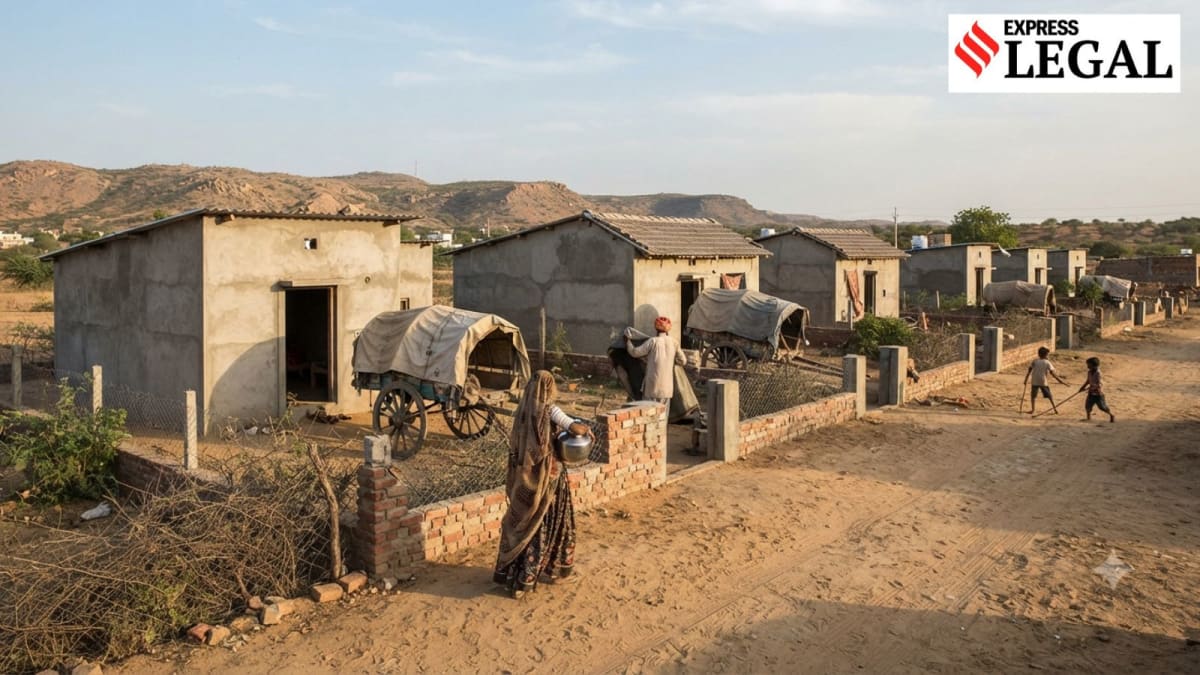
The Rajasthan High Court just made things right for the Gadia Lohar community, canceling transfers of 184 residential plots that were supposed to give nomadic families their first permanent homes. The plots had been allotted free of cost in 2005 under a special rehabilitation scheme, but allegations surfaced that outsiders found ways to acquire them after the government relaxed transfer rules in 2022.
The Gadia Lohar people are part of India's denotified tribes, communities once branded as criminals under British colonial law simply for their nomadic lifestyle. Though that cruel law was repealed after independence, the stigma lingered for decades, leaving families without stable housing or social security.
The 2005 scheme was designed to change that by providing 99-year leases with strict no-transfer conditions. But petitioners alleged that plots ended up in the hands of people outside the community, including relatives of a local government chairman.
Why This Inspires
The court didn't just reverse the transfers. It spoke directly to why welfare schemes exist in the first place.
"Public property cannot be permitted to become an instrument of private enrichment," Justices Pushpendra Singh Bhati and Praveer Bhatnagar wrote. They explained that housing programs like this are constitutional tools meant to remedy historical injustice, not opportunities for those already advantaged to gain more.
The judges ordered a full investigation into how the illegal acquisitions happened and demanded accountability for everyone involved. They gave authorities six months to report back and made clear that any future attempts to transfer these plots outside the Gadia Lohar community would be automatically void.
The state government committed during hearings to protecting nomadic and semi-nomadic communities and investigating any irregularities. The ruling reinforces that commitment with teeth.
Beyond the 184 families who will keep their homes, the decision sends a powerful message about protecting vulnerable communities from those who would exploit systems meant to help them. When courts stand firm on keeping promises to historically marginalized people, they restore not just land but dignity and trust in justice itself.
Based on reporting by Indian Express
This story was written by BrightWire based on verified news reports.
Spread the positivity!
Share this good news with someone who needs it