India Cuts Judicial Training Time, Adds Real-World Mentoring
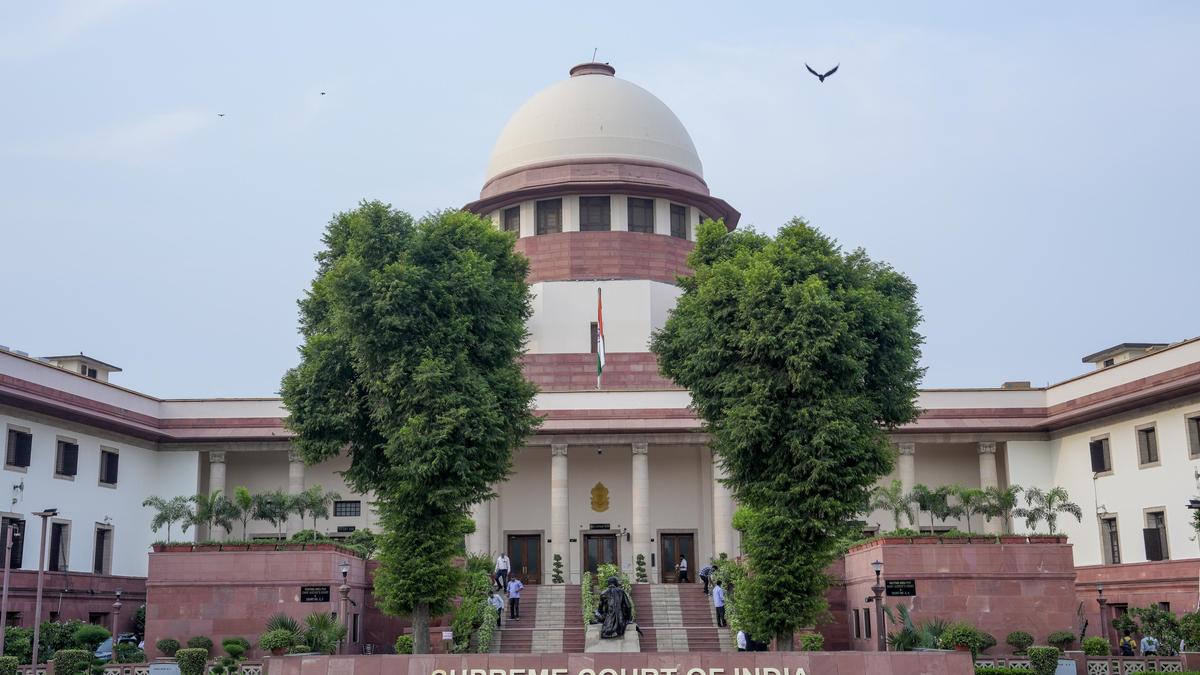
India's Supreme Court just made it easier for new lawyers to become judges while ensuring better training. The new system pairs recent graduates with experienced mentors instead of requiring three years of solo practice.
Aspiring judges in India just got a smoother path to the bench, thanks to a Supreme Court decision that prioritizes hands-on training over waiting periods.
The Supreme Court reduced the legal practice requirement for judicial service applicants from three years to just one year. But here's the exciting part: they're replacing the longer wait with an intensive two-year mentorship program that pairs new judicial officers with experienced judges.
Chief Justice Surya Kant and Justice A.G. Masih designed the program to give candidates real-world courtroom experience under expert guidance. After one year of legal practice and passing their exams, successful applicants will spend a year at their state's judicial academy learning the ropes.
The second year brings even more practical training. New officers will spend six months working alongside a District and Sessions Judge, then another six months with a sitting High Court judge. These senior judges will submit detailed evaluation reports on each trainee's performance.
The court created a special provision for people who applied during the transition period while the policy was under review. These candidates won't need to prove their one year of practice with certificates. Instead, the time since the original May 2025 ruling counts toward their required experience.
Starting April 1, 2027, new applicants will need to show proof of practice. This means documented evidence of participating in actual court proceedings alongside a senior lawyer with at least 10 years of experience.
Why This Inspires
This isn't just bureaucratic shuffling. It's a thoughtful redesign that recognizes how people actually learn complex skills.
The old system required fresh law graduates to spend three years building a practice before they could even apply. Many struggled to gain meaningful courtroom experience during that time. The new approach gets qualified candidates into intensive training faster while ensuring they receive structured mentorship from seasoned professionals.
The Supreme Court will review the program after five years to measure its success. That built-in evaluation period shows a commitment to evidence-based improvement rather than rigid tradition.
India's judiciary is opening its doors wider while raising the quality of preparation for those who enter.
Based on reporting by The Hindu
This story was written by BrightWire based on verified news reports.
Spread the positivity!
Share this good news with someone who needs it