India Expands Kidney Transplants With Blood Type Breakthrough
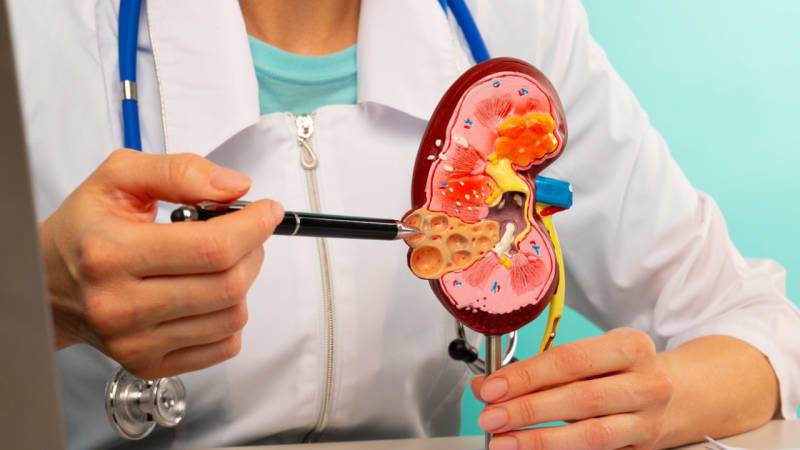
Indian hospitals now routinely perform kidney transplants across blood types, opening the door for 40% more family donors who were previously ruled out. The breakthrough helps younger patients return to work instead of depending on dialysis machines.
Thousands of Indian families just gained new hope for their loved ones facing kidney failure, thanks to a medical breakthrough that ignores one of transplant medicine's oldest rules.
Over 200,000 Indians are diagnosed with end stage kidney disease each year, and most are between 30 and 50 years old. These patients face a grim choice: spend the rest of their lives tethered to dialysis machines three times a week, or wait for a kidney that may never come.
For decades, matching blood types seemed like an unbreakable law of transplant medicine. If your brother had Type A blood and you had Type B, he couldn't donate to you, no matter how desperately you needed a kidney.
That barrier just crumbled. Indian transplant centers now routinely perform ABO-incompatible kidney transplants, a technique once considered experimental.
The numbers tell the story of why this matters. About 40% of potential family donors have different blood types from their sick relatives. Before this advance, those families watched their loved ones deteriorate on dialysis waitlists despite having willing donors standing right beside them.
The process requires preparation. Patients undergo plasmapheresis, a blood filtering treatment that removes antibodies that would reject the mismatched organ. They also receive medications that help their immune system accept the new kidney. The additional cost runs about 200,000 rupees above a standard transplant.
Research shows these blood type mismatched transplants work just as well as perfectly matched ones. Japanese studies even found better outcomes in some incompatible transplants.
The Ripple Effect
This breakthrough carries special weight in India, where over 90% of kidney transplants come from living family donors rather than deceased donors. Parents can now save their children regardless of blood type. Spouses and siblings who once felt helpless can step forward as donors.
The economic impact extends beyond individual families. Getting younger patients off dialysis and back to work strengthens the workforce and reduces the crushing healthcare costs of lifelong dialysis treatment.
In 2024, only 1,918 patients received kidneys from deceased donors while 11,558 got organs from living donors. The gap between need and availability remains enormous, with fewer than 10% of patients who need transplants actually receiving them.
Every expansion of the donor pool saves lives. ABO-incompatible transplantation doesn't solve India's organ shortage, but it transforms 40% of previously incompatible matches into viable options.
Patients who receive transplants report dramatically better quality of life compared to those on dialysis. They travel freely, work full schedules, and live without the constant shadow of their next machine appointment.
Growing numbers of Indian medical centers now offer the procedure, making it accessible beyond elite hospitals in major cities. What seemed impossible a decade ago has become standard care, giving tens of thousands of families a second chance at normalcy.
More Images


Based on reporting by Google News - Health Breakthrough
This story was written by BrightWire based on verified news reports.
Spread the positivity!
Share this good news with someone who needs it