India Fast-Tracks Wind Power to Beat Gas Shortage
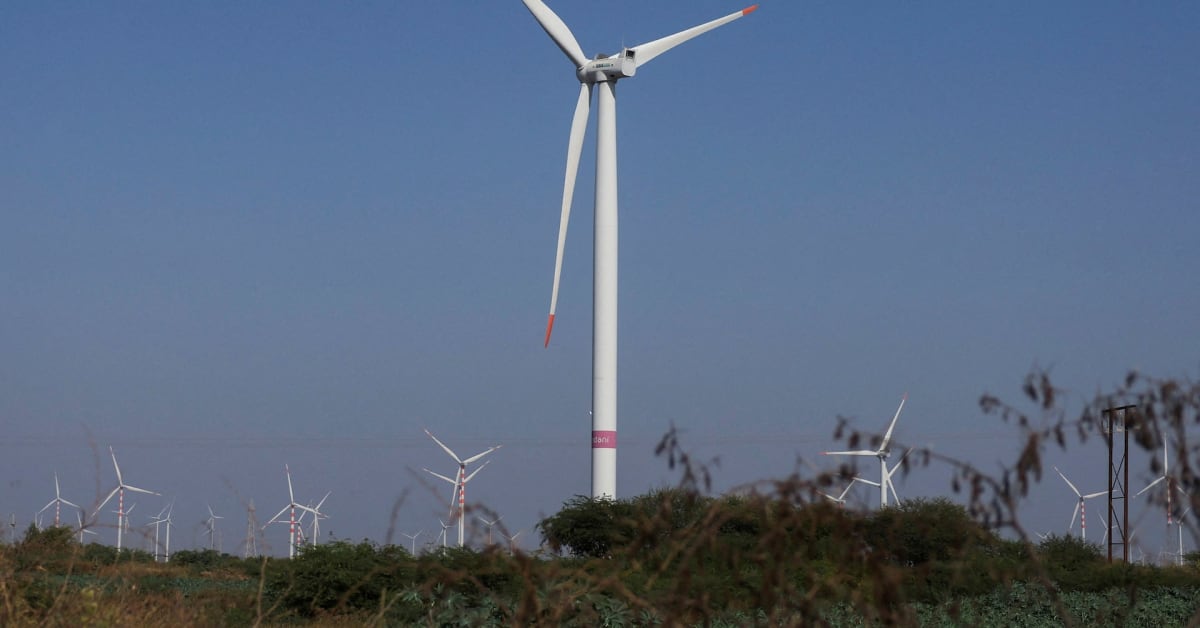
India is speeding up approval for wind farms and battery storage as Middle East tensions squeeze natural gas supplies. The country's renewable energy push just got a major boost from an unexpected challenge.
India just turned a potential energy crisis into an opportunity for cleaner power. The country is fast-tracking approval for wind farms and battery storage systems after Middle East conflicts disrupted natural gas supplies.
Junior Power Minister Shripad Naik announced Monday that India is accelerating clearances for renewable energy projects to compensate for gas shortfalls. While natural gas provides only 2% of India's total electricity, the country relies on 8 gigawatts of gas power during peak demand and heatwaves.
"There are challenges in respect of availability and price volatility of natural gas due to the Middle East crisis," Naik told parliament. "However, the generators are exploring alternate sources."
The government isn't leaving anything to chance. Officials are monitoring coal and hydro plants under construction, with completion targeted by June 2026. India has also directed Tata Power's massive 4-gigawatt imported-coal plant in Gujarat to run at full capacity from April through June.
The country is encouraging industries to produce their own power through captive generation plants, a move that could reduce industrial demand on the grid. Officials say the system is well-positioned to meet summer demand despite reduced gas-based generation.
The Ripple Effect
This supply challenge is accelerating India's renewable energy transition in ways policy alone might not have achieved. By fast-tracking wind and battery storage approvals, the country is building infrastructure that will reduce fossil fuel dependence long after current gas supply issues resolve.
The move demonstrates how energy security concerns can drive climate-positive outcomes. As India speeds up renewable energy deployment, it's creating jobs in clean energy sectors and reducing vulnerability to international fuel price swings.
Other nations watching India navigate this challenge may find a blueprint for turning energy disruptions into opportunities for sustainable growth. The country's dual approach of maximizing existing coal capacity while accelerating renewables shows pragmatic transition planning.
India now has a powerful incentive to move faster on the clean energy future it was already building.
More Images
Based on reporting by Google News - Wind Energy
This story was written by BrightWire based on verified news reports.
Spread the positivity!
Share this good news with someone who needs it