India Hits 2030 Clean Energy Target Five Years Early
India just surpassed its renewable energy goal for 2030, a full five years ahead of schedule, with more than half its power now coming from clean sources. The country doubled its green energy additions in just one year while racing toward carbon neutrality by 2070.
India just proved that ambitious climate goals aren't just talk. The nation exceeded its 2030 clean energy target in 2025, becoming the latest country to show that rapid green transitions are possible when commitment meets action.
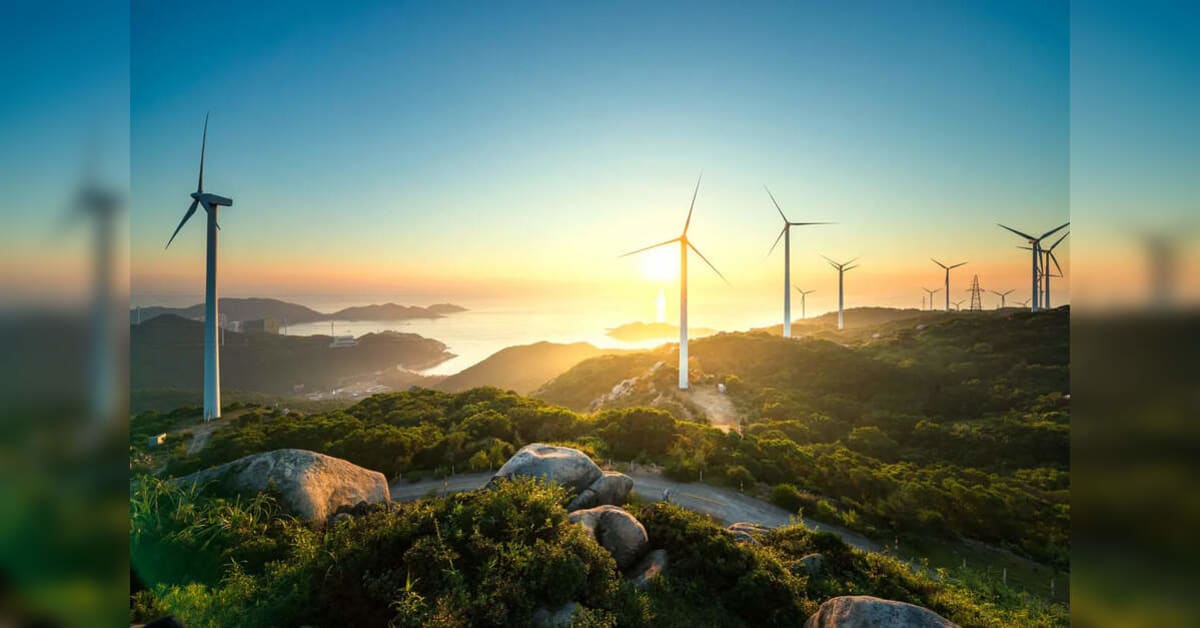
The numbers tell an inspiring story. More than half of India's total power capacity now comes from renewable sources like solar and wind. That 52 percent milestone was supposed to happen in 2030, but India got there five years early.
Even more impressive is the acceleration. In fiscal year 2026, India added over 55 gigawatts of renewable capacity, nearly double the 29 gigawatts added the year before. That's enough new clean energy in one year to power tens of millions of homes.
The progress hasn't been without growing pains. As solar panels and wind turbines multiply faster than expected, the country is racing to upgrade its electrical grid to handle the surge. Government programs like the Green Energy Corridor are building dedicated transmission networks to move renewable power where it's needed most.
Private investors are betting big on India's green future. Between 2017 and 2025, renewable energy projects captured 89 percent of total energy investment in the country. Global funds and major energy companies are pouring money into solar farms, wind installations, and emerging technologies like green hydrogen.
The transformation extends beyond just building solar farms. India is now focusing on helping carbon-heavy industries like steel, cement, and fertilizer production switch to cleaner technologies. The country is also developing a domestic carbon market to make the transition more affordable for businesses.
Cities are getting a green makeover too. With more than half of India's population expected to live in urban areas by 2050, planners are integrating energy efficiency into city design. Some creative solutions include turning municipal waste into energy and cleaning up massive dump yards that could be transformed into valuable real estate once remediated.
The Ripple Effect
India's accelerated timeline matters far beyond its borders. As the world's most populous nation and a rapidly growing economy, India's clean energy success shows other developing countries that economic growth and environmental responsibility can go hand in hand. The country's achievement adds momentum to global climate efforts while proving that 2030 targets set years ago were actually too modest.
The road to carbon neutrality by 2070 still stretches ahead, but India just demonstrated it can move faster than anyone expected.
More Images



Based on reporting by Google: clean energy investment
This story was written by BrightWire based on verified news reports.
Spread the positivity!
Share this good news with someone who needs it