India Invests in 15 Ancient Sites as Cultural Destinations
India's government is transforming 15 archaeological sites into immersive cultural experiences, including Hastinapur, the legendary capital from the Mahabharata epic. The project will use modern storytelling technology to bring 3,000 years of history to life for visitors.
Ancient cities where legendary heroes once walked are getting a modern makeover that could change how millions experience India's epic history.
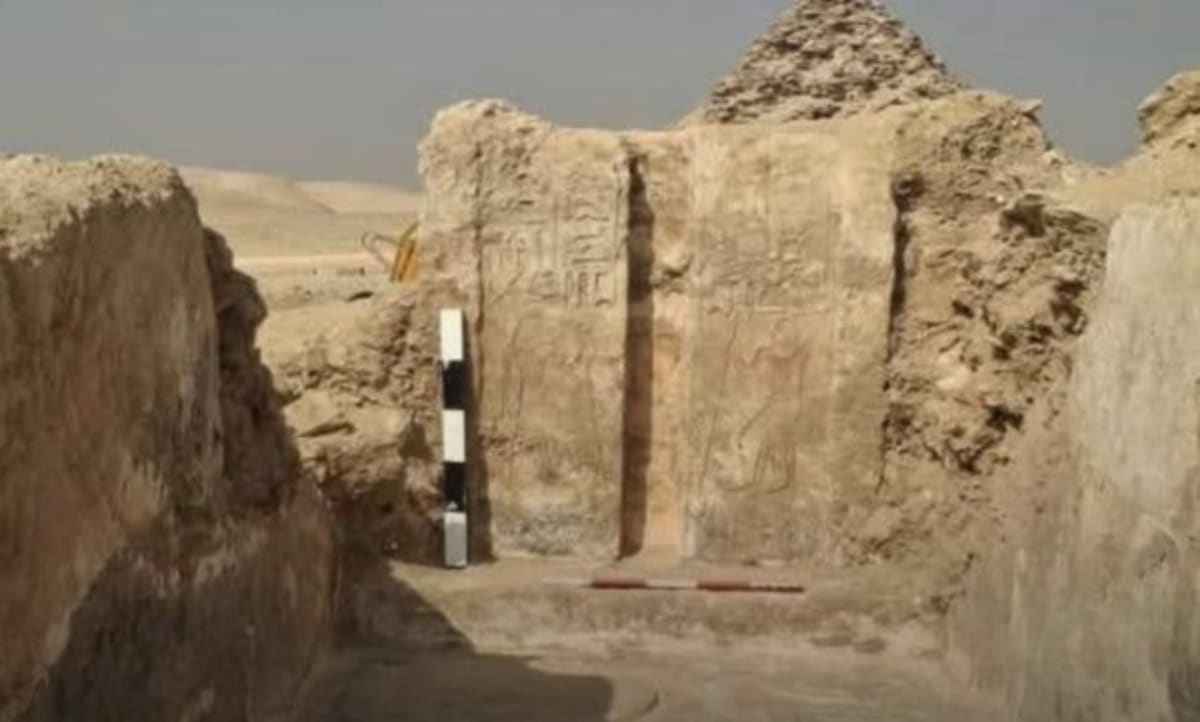
Finance Minister Nirmala Sitharaman announced a major initiative to develop 15 archaeological sites across India as "experiential cultural destinations." The sites will feature curated walkways through excavated landscapes, immersive storytelling technology, and conservation labs that help visitors connect with thousands of years of history.
Two sites in Uttar Pradesh made the list: Sarnath, already part of the Buddhist Circuit, and Hastinapur, the storied capital of the Kuru dynasty featured in the Mahabharata. Hastinapur represents one of India's earliest urban settlements, with archaeological evidence dating back millennia.
The development breathes new life into Uttar Pradesh's ambitious Mahabharata Circuit project. This heritage trail connects seven districts linked to the ancient epic, from Kampilya (believed to be Draupadi's birthplace) to sites associated with the Pandavas' exile.
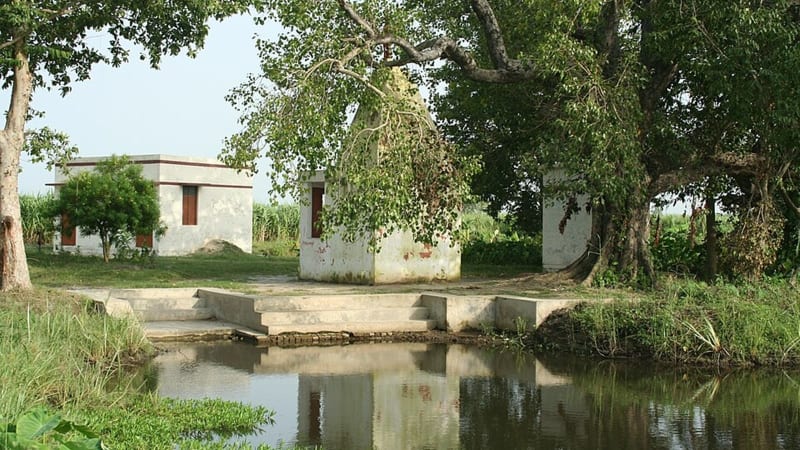
Hastinapur alone offers visitors a rich tapestry of experiences. The region includes Mahabharata-era temples like Vidur Tila and Pandeshwar Temple, sacred ghats along the Ganga river, and important Jain pilgrimage centers. The nearby Hastinapur Wildlife Sanctuary adds nature experiences to the cultural journey.
The Ripple Effect
The project represents more than tourism development. By combining archaeological evidence with traditional narratives, these sites will help preserve cultural heritage while making it accessible to modern audiences.
The government has already invested 4 crore rupees in Kampilya and allocated funds for improvements at Hastinapur and associated sites. Guided heritage trails, interpretive signage, and enhanced lighting will transform these ancient places into educational destinations that serve both pilgrims and history enthusiasts.
Officials emphasize that packaging these locations as a cohesive circuit with structured routes will significantly enrich visitor experiences. The approach combines faith, nature, and heritage into integrated journeys through India's civilizational history.
The initiative extends beyond Uttar Pradesh to archaeological treasures nationwide. Each site will receive specialized development based on its unique historical significance and visitor potential.
Modern technology will play a key role in bringing ancient stories to life. Immersive storytelling techniques, interpretation centers, and trained guides will help visitors understand the archaeological significance of what they're seeing, connecting excavated artifacts to the grand narratives that shaped Indian culture.
For communities surrounding these sites, the development promises economic opportunities through heritage tourism while honoring the sacred and historical importance of these locations. Religious sites like the Digambar Jain Bada Mandir complex will maintain their spiritual role while welcoming curious travelers.
India's past is becoming a bridge to its future, one carefully preserved site at a time.
Based on reporting by Indian Express
This story was written by BrightWire based on verified news reports.
Spread the positivity!
Share this good news with someone who needs it