India Keeps UPI Payments Free for Transfers Under ₹2,000
India just guaranteed that millions of everyday digital payments will stay completely free. The government officially blocked banks from charging fees on UPI and RuPay debit card transactions up to ₹2,000, protecting the country's digital payment revolution.
India just made sure your coffee runs, grocery trips, and daily purchases stay fee-free in the digital world.
The Indian government officially notified changes to the Payment and Settlement Act on Monday, September 14, 2026, blocking banks from charging any fees on UPI and RuPay debit card payments up to ₹2,000. The move protects the vast majority of everyday transactions that have transformed how Indians send and spend money.
The notification specifies that no bank or payment system provider can impose direct or indirect charges on anyone making or receiving payments through these popular digital modes. This keeps UPI free for everyday users and ensures most merchant transactions remain cost-free too.
India's UPI system has become one of the world's most successful digital payment stories, processing billions of transactions monthly. Most of these payments are small, everyday purchases like street food, auto rides, and local shop transactions that fall well under the ₹2,000 threshold.
The government emphasized that the Reserve Bank of India has sufficient funds to support the UPI platform without needing to charge merchants or customers. This backing ensures the infrastructure stays robust while remaining accessible to everyone from major retailers to small roadside vendors.
The notification does alter earlier provisions, potentially allowing charges on larger transfers above ₹2,000. However, no final decision has been made on whether such fees will actually be introduced or how they might work.
Why This Inspires
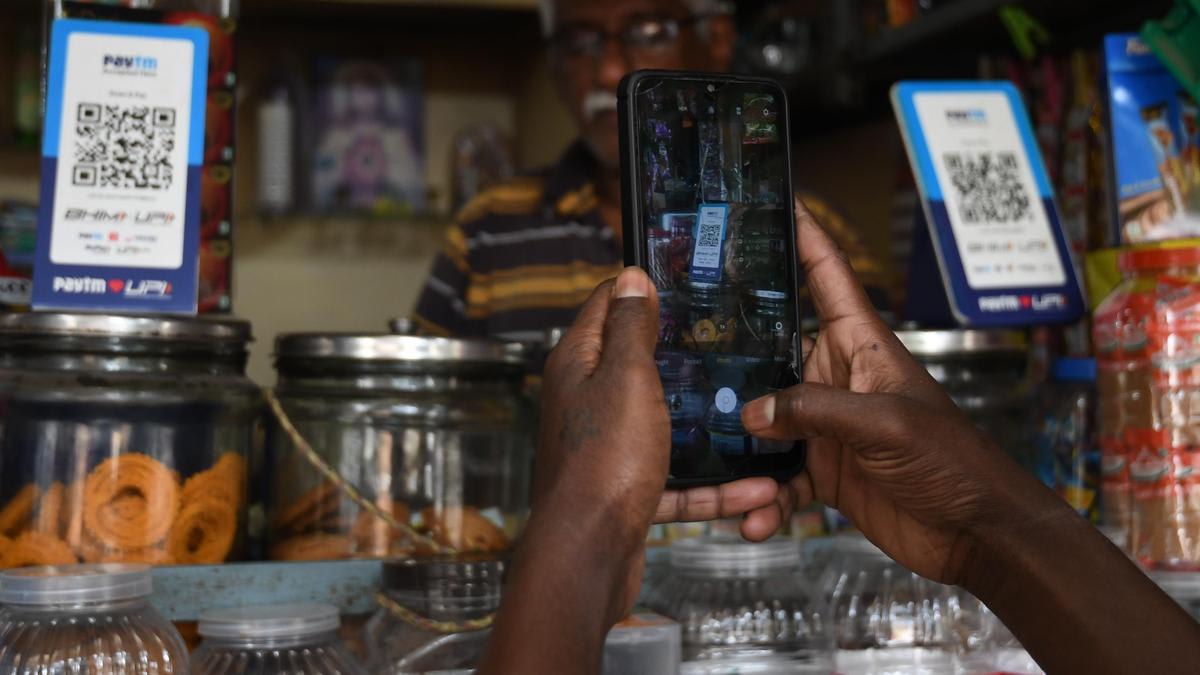
This policy protects what makes India's digital revolution special: it works for everyone. A vegetable seller with a QR code can accept payments just as easily as a big store, without worrying about losing money to transaction fees.
By keeping everyday payments free, India ensures that digital inclusion doesn't come with a price tag. The security of knowing your ₹50 chai or ₹500 grocery run won't shrink due to hidden fees means millions can continue embracing digital payments with confidence.
The move shows how technology can truly democratize finance when governments prioritize accessibility over revenue. It's proof that innovation doesn't have to exclude the everyday person to succeed.
India continues leading the way in making digital payments work for real people in real life.
Based on reporting by The Hindu
This story was written by BrightWire based on verified news reports.
Spread the positivity!
Share this good news with someone who needs it