India Launches Natural Farming Across 23,500 Hectares
Uttar Pradesh is transforming agriculture for thousands of farmers by introducing cow-based natural farming across seven drought-prone districts. The initiative promises lower costs, healthier soil, and better incomes without chemical fertilizers.
Farmers in one of India's driest regions are getting a lifeline that could change agriculture forever.
Uttar Pradesh has launched a major natural farming program across 23,500 hectares in the Bundelkhand region, targeting seven districts that have struggled for years with unpredictable rainfall and worn-out soil. The initiative uses traditional cow-based farming methods to help farmers reduce costs and grow food without synthetic chemicals.
The program spans Jhansi, Lalitpur, Jalaun, Hamirpur, Mahoba, Banda, and Chitrakoot. These areas have long faced the triple challenge of erratic monsoons, degraded farmland, and expensive fertilizers that eat into already thin profits.
Shyam Bihari Gupta, Chairman of the Uttar Pradesh Goseva Commission, says the approach addresses the region's core problems. Natural farming improves how soil holds together and helps it retain water much longer, making it ideal for areas where rain can't be counted on.
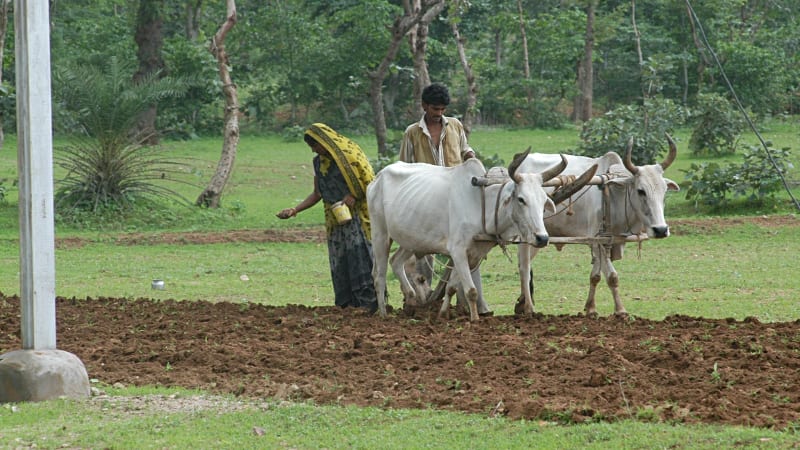
The technique represents a return to methods used for centuries before chemical agriculture became standard. Farmers use cow dung and urine to create natural fertilizers and pest control solutions that cost far less than store-bought alternatives.
The Ripple Effect
This regional push is part of something much bigger happening across Uttar Pradesh. Natural farming has already expanded to 94,300 hectares across all 75 districts in the state and is racing toward the 100,000-hectare milestone.
State officials have made Bundelkhand a testing ground for a farming model they hope to replicate across other low-rainfall regions in India. If successful here, the approach could offer solutions for millions of farmers facing similar climate challenges nationwide.
The government is backing the program with large-scale training sessions designed to teach farmers the practical skills they need. These workshops are helping bridge the gap between traditional knowledge and modern implementation, making natural farming accessible to more people.
The shift away from chemical dependency could mean more than just environmental benefits. Farmers spend less on inputs, which directly improves their income, while producing food that fetches premium prices from health-conscious consumers.
Early results suggest the soil improvements happen faster than expected, with better water retention showing up within the first growing season.
For a region that has watched farmers struggle year after year, this program represents hope rooted in science and tradition working together.
Based on reporting by Indian Express
This story was written by BrightWire based on verified news reports.
Spread the positivity!
Share this good news with someone who needs it