India Moves to Reserve 273 Parliament Seats for Women
India is fast-tracking a historic law that will reserve one-third of Parliament seats for women, potentially making it reality before 2029. The government is consulting opposition parties on amendments that could expand the legislature from 543 to 816 seats, with 273 guaranteed for women.
India is taking bold steps to bring more women into political power, and it could happen sooner than anyone expected.
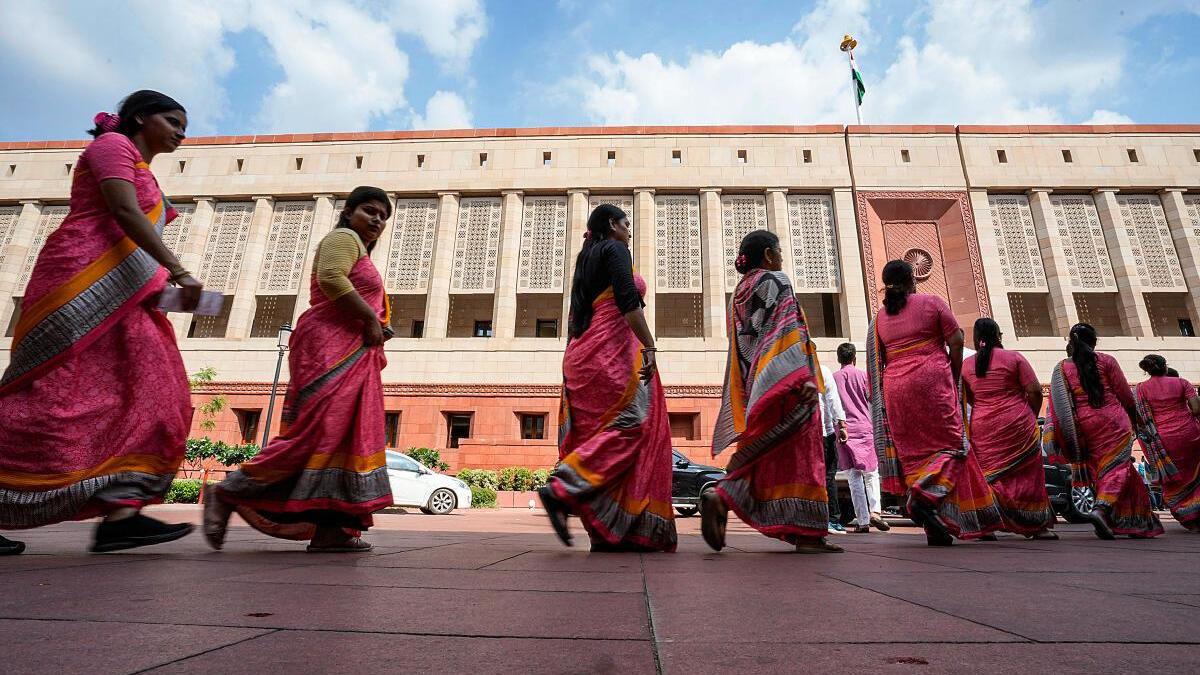
The government announced plans Monday to speed up implementation of the Women's Reservation Act, a landmark 2023 law designed to guarantee women one-third of all seats in India's Parliament. Under the proposed amendments, Parliament would grow from 543 seats to 816, with 273 reserved exclusively for women candidates.
Home Minister Amit Shah has been meeting with leaders across political parties to build the two-thirds majority needed to pass the constitutional amendments. So far, discussions have included opposition leaders from multiple parties, with more consultations planned this week.
The original law passed in September 2023 required waiting for a new census and redistricting process. But the government now wants to use 2011 census data to move forward immediately, bypassing delays from the pandemic-postponed 2021 census that's just beginning.
One major concern has been addressed upfront. Southern states worried that their success in population control programs would cost them representation compared to more populous northern states. The amendments are designed to maintain each state's proportional share, with all states seeing roughly a 50% increase in seats.
The Ripple Effect
This isn't just about numbers in a legislature. It's about fundamentally changing who has a voice in shaping India's future.
Women make up half of India's 1.4 billion people but have historically been severely underrepresented in politics. Guaranteeing 273 seats would create the largest single expansion of women's political representation in Indian history.
The impact could extend beyond Parliament. The proposals may also expand state assemblies with similar reservations, creating thousands of new opportunities for women to lead at every level of government.
Similar quota systems in local village councils have already shown results. Women leaders in these positions have shifted priorities toward education, healthcare, and community welfare programs that directly improve daily life for millions of families.
The government hopes to pass the amendments either in the current parliamentary session or through a special session before upcoming state elections. Leaders are moving quickly because they know the window of opportunity is limited.
If successful, India would join a small group of nations with constitutionally mandated gender quotas in national legislatures, and would have one of the largest reserved quotas in the world.
The path from idea to implementation has been long, but India's women may finally see their representation match their population.
Based on reporting by The Hindu
This story was written by BrightWire based on verified news reports.
Spread the positivity!
Share this good news with someone who needs it