India Now World's 3rd Largest Renewable Energy Leader
India just leapfrogged Brazil to become the world's third-largest holder of renewable energy capacity, trailing only China and the United States. The milestone caps a record-breaking year where the nation added more clean energy than ever before and hit climate targets five years early.
India just secured a spot among the world's top three clean energy leaders, overtaking Brazil in total renewable capacity according to the latest data from the International Renewable Energy Agency. The achievement marks a stunning acceleration in the nation's transition away from fossil fuels.
The numbers tell a story of unprecedented momentum. India reached 283.46 gigawatts of non-fossil fuel capacity by March 2026, with renewables accounting for 274.68 gigawatts. That's enough clean energy to power hundreds of millions of homes.
Last year alone, India added 55.3 gigawatts of renewable capacity, nearly doubling the previous year's additions. Union Minister Pralhad Joshi announced the figures Wednesday, highlighting what he called a pivotal moment in India's energy transformation.
The country hit a crucial milestone five years ahead of schedule. In June 2025, half of India's total power capacity came from non-fossil sources, achieving a Paris Agreement target set for 2030. It's the kind of early success climate experts hoped for but rarely see.
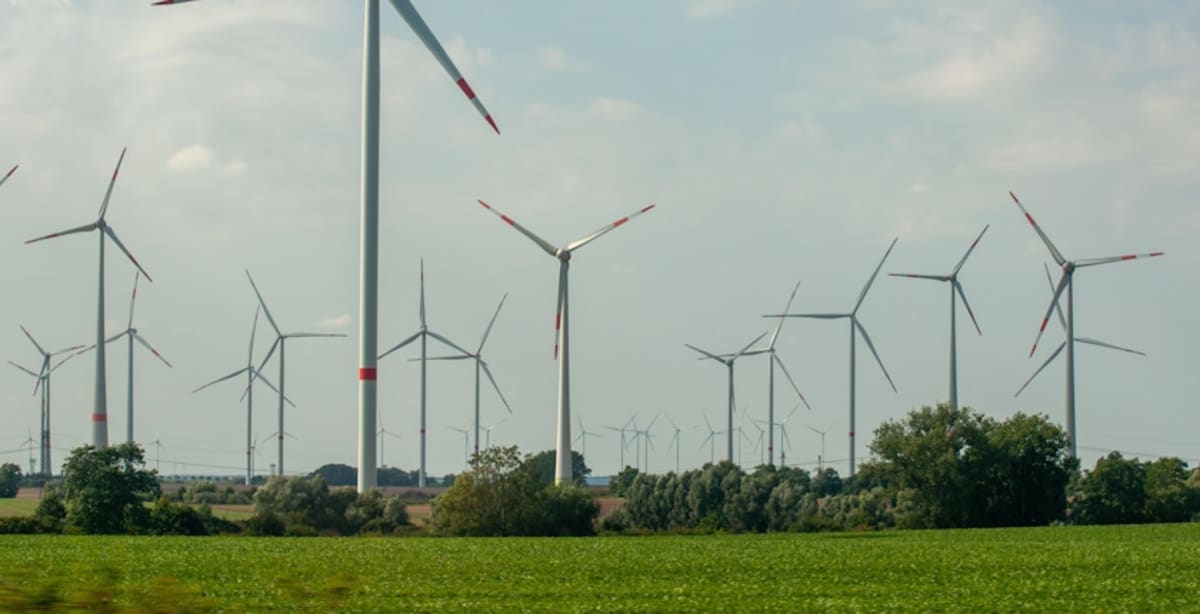
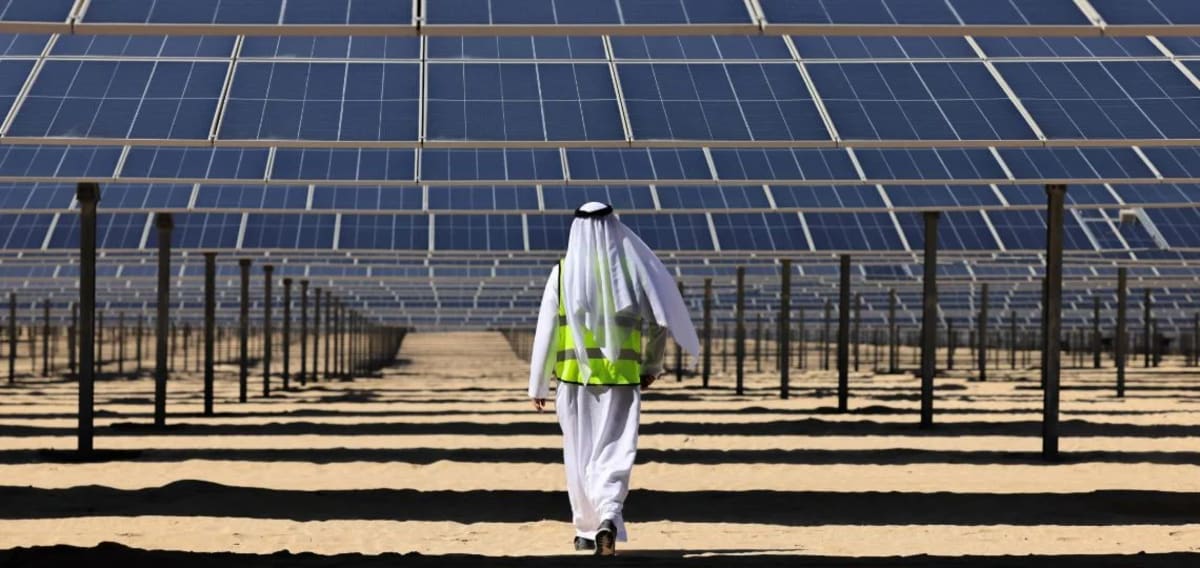
Solar power leads the charge, with capacity surging to 150.26 gigawatts, over 53 times higher than 2014 levels. Wind energy followed with strong growth to 56.09 gigawatts, including a record 6.05 gigawatts added last year alone.
Rooftop solar emerged as a game changer, accounting for more than one-third of new installations. Programs like PM KUSUM helped everyday Indians generate their own clean electricity, spreading renewable power beyond massive utility projects.
The growth isn't just about installing panels and turbines. India has built up its manufacturing muscle too, with solar module production capacity jumping from 2.3 gigawatts in 2014 to 172 gigawatts today. Wind turbine manufacturing now stands at around 24 gigawatts, reducing dependence on imports.
Policy changes accelerated the transition. The government slashed taxes on renewable equipment from 12% to 5% and launched new frameworks for virtual power purchase agreements. These moves made clean energy more affordable and accessible across the country.
Perhaps most impressive, renewables met 51.5% of India's electricity demand during peak usage in July 2025. For the first time, clean energy sources powered more than half the grid when the nation needed it most.
The Ripple Effect
India's renewable surge creates waves far beyond its borders. The country's success proves that developing nations can pursue aggressive climate action without sacrificing growth, offering a blueprint for others to follow.
The National Green Hydrogen Mission aims to produce 5 million metric tonnes annually by 2030, expected to attract over 8 lakh crore rupees in investment. More than 600,000 jobs could emerge from this initiative alone, showing how climate action and economic opportunity go hand in hand.
Training programs prepared over 124,000 workers in renewable energy sectors last year. These newly skilled technicians, engineers, and installers form the workforce that will build India's clean energy future.
The government set an ambitious target of 500 gigawatts of non-fossil fuel capacity by 2030, and current progress suggests India will reach it.
More Images




Based on reporting by Google: renewable energy record
This story was written by BrightWire based on verified news reports.
Spread the positivity!
Share this good news with someone who needs it