India Opens 8-Lane Tunnel Under Tiger Reserve June 20
India's first eight-lane tunnel beneath a tiger reserve opens June 20, cutting travel time between Delhi and Mumbai while protecting wildlife. The underground engineering marvel proves infrastructure and conservation can work together.
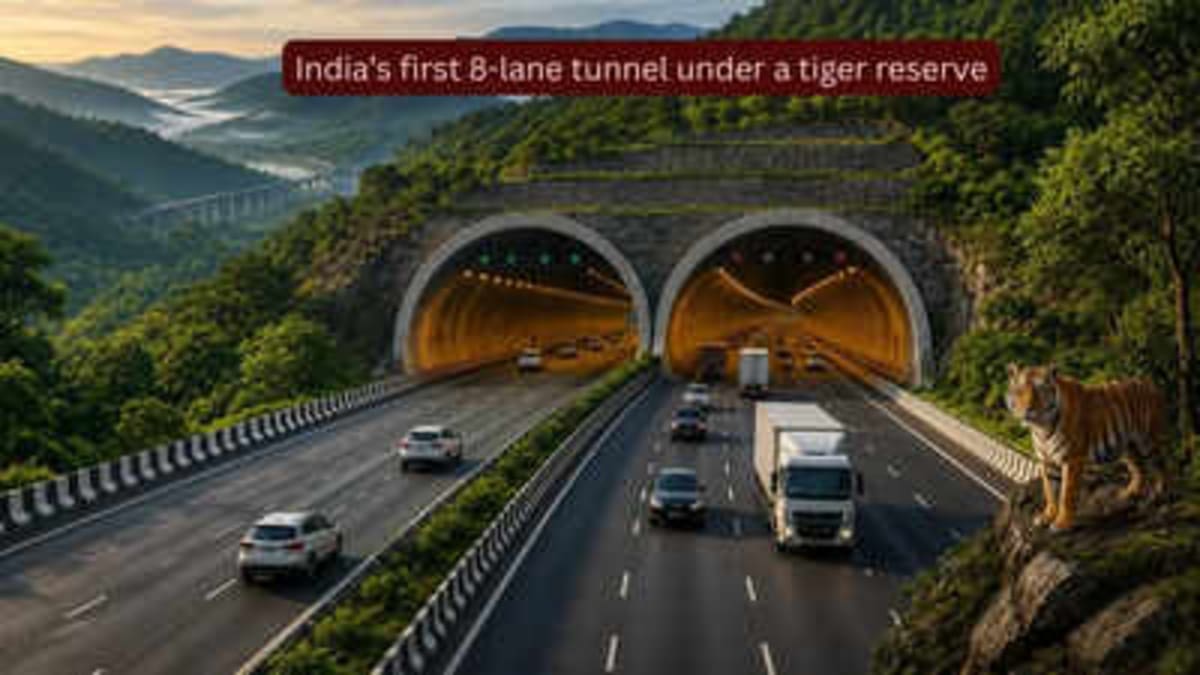
A massive tunnel beneath one of India's tiger reserves is about to change how millions of people travel across the country. On June 20, the first eight-lane underground highway through Rajasthan's Mukundra Hills Tiger Reserve opens to drivers, marking a new era where progress and wildlife protection happen together.
The 4.9-kilometer twin-tube tunnel took years to complete but solves a problem engineers worldwide struggle with: how to connect cities without destroying natural habitats. Instead of carving roads through tiger territory, crews dug underneath, keeping the animals' home intact while creating faster routes for travelers.
This tunnel forms part of the ambitious Delhi-Mumbai Expressway, launched in 2019 to transform long-distance travel in India. Drivers who previously navigated winding mountain roads around Kota will now glide through at highway speeds, cutting hours from their journey.
The benefits extend beyond saved time. Underground travel means better fuel efficiency, safer driving conditions, and less stress navigating curves and elevation changes. Road trippers heading to Rajasthan's hidden gems like Bundi, Ranthambore, and the historic sites around Kota will find the journey far more pleasant.
The Ripple Effect
The tunnel's impact reaches far beyond the highway itself. Kota, long known mainly for its educational institutions, sits near stunning landscapes most travelers miss: the scenic Chambal River, ancient stepwells, majestic forts and palaces. Better road access could finally put this underrated region on India's tourism map.
Local businesses stand to benefit as more visitors discover what's been hiding in plain sight. Hotels, restaurants, and tour operators in smaller towns along the route are preparing for increased traffic from both domestic and international travelers.
The environmental design sets a precedent other countries can follow. The National Highways Authority of India equipped the tunnels with advanced safety systems and monitoring infrastructure while ensuring tigers and other wildlife continue moving freely above ground. This approach proves nations don't have to choose between economic development and ecological protection.
For the bigger picture, this tunnel represents just one section of an expressway that will eventually connect major economic centers across six states: Haryana, Rajasthan, Madhya Pradesh, Gujarat, and Maharashtra. When complete, the entire Delhi-Mumbai corridor will reshape commerce and tourism throughout India's heartland.
Travelers planning to use the new route should check official traffic advisories before departure, as the exact opening date depends on final safety inspections. Once cleared, the tunnel will operate as one of India's most technically advanced highway stretches.
The Mukundra Hills tunnel proves that thoughtful engineering can deliver wins for everyone: faster travel for people, undisturbed habitat for wildlife, and economic opportunity for communities caught in between.
More Images



Based on reporting by Times of India - Good News
This story was written by BrightWire based on verified news reports.
Spread the positivity!
Share this good news with someone who needs it